

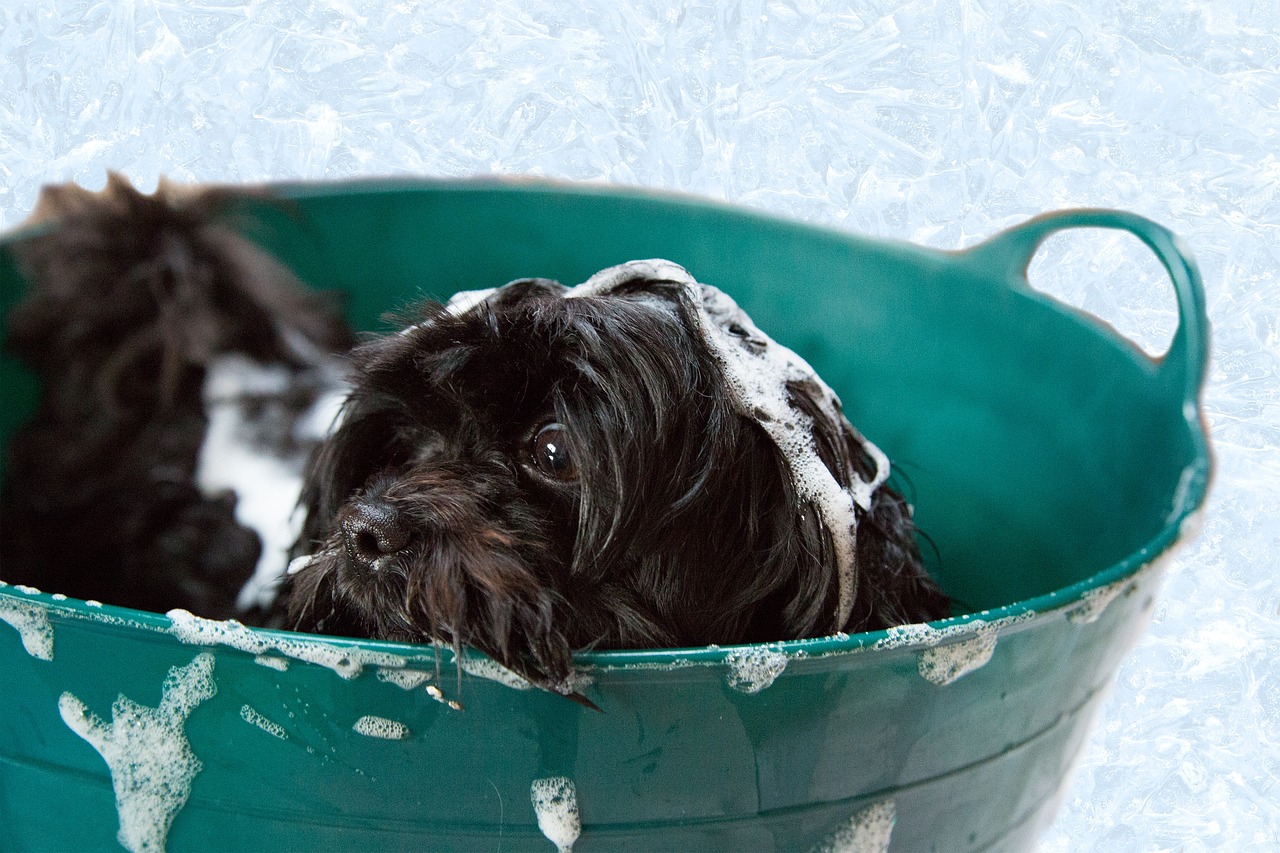
Pet dry skin can be a common and uncomfortable problem for our furry friends. From constant scratching to flaky skin, the signs are often hard to ignore. But don’t worry, there are many effective remedies to soothe your pet’s dry skin and bring back their happy, healthy glow. This guide will explore the common causes of dry skin in pets and provide you with proven strategies and remedies to alleviate their discomfort.
Understanding the Causes of Pet Dry Skin
Environmental Factors
Environmental conditions play a significant role in your pet’s skin health. Just like humans, pets can experience dry skin due to weather changes and seasonal variations.
- Low Humidity: Dry winter air or arid climates can strip moisture from your pet’s skin, leading to dryness and irritation.
- Extreme Temperatures: Both excessive heat and cold can negatively affect your pet’s skin.
- Exposure to Allergens: Pollen, dust mites, and mold spores can trigger allergic reactions that manifest as skin problems.
Practical Tip: Consider using a humidifier in your home during dry months to maintain a healthy level of moisture in the air.
Diet and Nutrition
A balanced diet is crucial for maintaining healthy skin and coat. Nutritional deficiencies can lead to dry, flaky skin and other health issues.
- Essential Fatty Acids: Omega-3 and omega-6 fatty acids are vital for skin health. These can be found in fish oil, flaxseed oil, and certain pet foods.
- Hydration: Ensure your pet has access to fresh, clean water at all times. Dehydration can exacerbate dry skin.
- Nutrient-Poor Diet: Low-quality pet food often lacks essential nutrients, leading to skin and coat problems.
Example: Adding a daily fish oil supplement to your pet’s diet can significantly improve skin hydration and reduce inflammation. Consult your vet before introducing new supplements.
Underlying Health Conditions
Sometimes, dry skin can be a symptom of an underlying health condition that requires veterinary attention.
- Allergies: Food or environmental allergies can cause skin irritation and dryness.
- Parasites: Fleas, ticks, and mites can cause intense itching, leading to skin damage and dryness.
- Hormonal Imbalances: Conditions like hypothyroidism can affect skin health.
Important Note: If your pet’s dry skin is accompanied by other symptoms like hair loss, lethargy, or changes in appetite, consult your veterinarian for a thorough check-up.
At-Home Remedies for Pet Dry Skin
Oatmeal Baths
Oatmeal has soothing properties that can alleviate itchy, dry skin. Colloidal oatmeal, in particular, is finely ground and easily disperses in water.
- Grind plain, unflavored oatmeal into a fine powder using a blender or food processor.
- Add the oatmeal powder to lukewarm bathwater until the water becomes milky.
- Bathe your pet in the oatmeal solution for 10-15 minutes.
- Rinse thoroughly with clean water and pat dry.
Benefit: Oatmeal baths help moisturize the skin, reduce inflammation, and relieve itching.
Coconut Oil
Coconut oil is a natural moisturizer that can be applied topically to soothe dry skin.
- Topical Application: Apply a small amount of organic, unrefined coconut oil to the affected areas. Gently massage it into the skin.
- Oral Supplement: You can also add a small amount of coconut oil to your pet’s food. Start with a small amount (e.g., ½ teaspoon for small dogs) and gradually increase if tolerated.
Caution: Some pets may be sensitive to coconut oil. Monitor for any adverse reactions like diarrhea or vomiting when using it orally.
Apple Cider Vinegar Rinse
Apple cider vinegar (ACV) can help balance the skin’s pH levels and relieve itchiness. Always dilute ACV before applying it to your pet’s skin.
- Mix equal parts of apple cider vinegar and water.
- After shampooing your pet, pour the ACV solution over their coat.
- Avoid the eyes and ears.
- Let it sit for a few minutes, then rinse thoroughly with water.
Note: Use raw, unfiltered apple cider vinegar for best results.
Choosing the Right Shampoo and Conditioner
Hypoallergenic Shampoos
Using a gentle, hypoallergenic shampoo can help prevent skin irritation and dryness. Look for shampoos that are free of harsh chemicals, fragrances, and dyes.
- Ingredients to Avoid: Sulfates, parabens, and artificial colors.
- Ingredients to Look For: Aloe vera, oatmeal, and essential oils known for their soothing properties.
Recommendation: Consult with your veterinarian or groomer to choose a shampoo specifically formulated for pets with sensitive skin.
Medicated Shampoos
In some cases, your veterinarian may recommend a medicated shampoo to treat specific skin conditions like seborrheic dermatitis or fungal infections.
- Chlorhexidine Shampoos: Effective for treating bacterial skin infections.
- Ketoconazole Shampoos: Used to treat fungal infections.
Important: Always follow your veterinarian’s instructions when using medicated shampoos.
Conditioner for Hydration
Using a moisturizing conditioner after shampooing can help replenish moisture and prevent dry skin.
- Leave-In Conditioners: Can provide continuous hydration throughout the day.
- Rinse-Out Conditioners: Help detangle fur and leave the coat soft and manageable.
Tip: Choose a conditioner that complements the shampoo you are using for the best results.
Lifestyle Adjustments for Healthy Skin
Regular Grooming
Regular brushing helps remove dead hair and skin cells, promoting healthy skin and coat.
- Frequency: Brush your pet several times a week, depending on their coat type.
- Tools: Use a brush that is appropriate for your pet’s coat length and thickness.
Additional Benefit: Grooming provides an opportunity to check for skin issues like fleas, ticks, or unusual lumps.
Controlled Bathing Frequency
Bathing your pet too frequently can strip their skin of natural oils, leading to dryness. Only bathe your pet when necessary.
- General Guideline: Most pets only need to be bathed every few weeks or months, unless they get particularly dirty.
- Dry Shampoo: Consider using a dry shampoo in between baths to keep your pet clean without drying out their skin.
Note: Dogs with oily skin might need more frequent baths but be sure to use a moisturizing shampoo.
Hydration and Humidity
Ensuring your pet stays hydrated and maintaining appropriate humidity levels in your home can significantly improve their skin health.
- Water Access: Always provide fresh, clean water. Consider using a pet fountain to encourage drinking.
- Humidifiers: Use a humidifier during dry seasons to increase indoor humidity levels.
Did you know? Adequate hydration helps maintain skin elasticity and prevents dryness.
Conclusion
Dealing with pet dry skin can be frustrating, but with the right knowledge and consistent care, you can effectively manage and alleviate your pet’s discomfort. By understanding the underlying causes, implementing at-home remedies, choosing appropriate grooming products, and making necessary lifestyle adjustments, you can ensure your pet’s skin stays healthy, hydrated, and happy. Remember to consult your veterinarian if the problem persists or if you notice any concerning symptoms.