

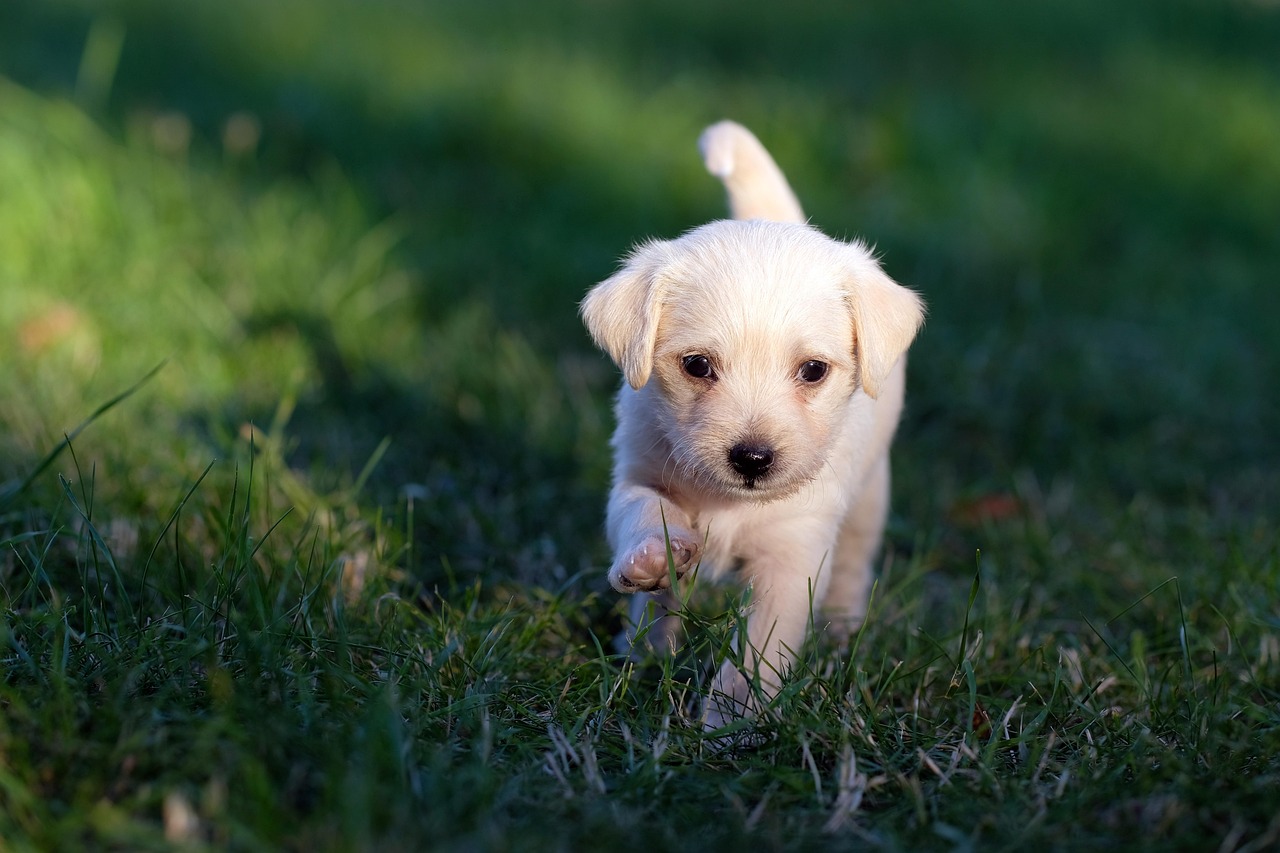
Dog playdates offer a fantastic way for your furry friend to socialize, burn energy, and learn valuable social skills. More than just a fun outing, well-planned dog playdates contribute significantly to your dog’s overall well-being and behavior. But ensuring a safe and positive experience requires careful planning and consideration. This guide explores various dog playdate ideas, offering practical tips and insights to help you create memorable and enriching experiences for your canine companion.
Planning a Successful Dog Playdate
Assessing Your Dog’s Temperament and Social Skills
Before organizing any playdate, it’s crucial to accurately assess your dog’s temperament and social skills. Not all dogs enjoy or benefit from playdates. Consider these factors:
- Socialization history: Has your dog had positive experiences with other dogs? Early socialization is key.
- Play style: Does your dog prefer rough-and-tumble play, or are they more gentle and reserved?
- Resource guarding: Does your dog exhibit any signs of guarding toys, food, or their owner?
- Reactivity: Does your dog bark, lunge, or growl at other dogs?
- Overall confidence: A confident dog is more likely to navigate social situations successfully. A shy or fearful dog may need a more controlled introduction.
For example, if your dog resource guards toys, avoid playdates that heavily involve toys. A dog that’s reactive might benefit more from parallel walks or slow, controlled introductions rather than a full-blown playdate right away. Consulting with a certified dog trainer or behaviorist can provide valuable insights. Statistics show that dogs who attend well-managed playdates early in life are less likely to develop behavioral issues later on.
Choosing the Right Playmate
Selecting the right playmate is just as important as assessing your own dog. Consider the following:
- Size and energy level: Matching dogs of similar size and energy levels can prevent accidental injuries and ensure a more balanced play session. A tiny Chihuahua might get overwhelmed playing with a large, boisterous Labrador.
- Temperament compatibility: Ideally, the dogs should have compatible play styles. A playful but respectful dog is a good match for another playful dog. Avoid pairing a bully-type dog with a timid one.
- Health and vaccination status: Ensure that both dogs are up-to-date on their vaccinations and parasite prevention to minimize the risk of disease transmission. Request proof of vaccination from the other owner.
- Previous interactions: If possible, arrange a brief, supervised meeting before committing to a full playdate to observe how the dogs interact. A leashed walk alongside each other can be a good starting point.
Location, Location, Location
The location of your dog playdate can significantly impact its success. Choose a safe and appropriate environment:
- Fenced-in areas: A secure, fenced-in yard or dog park provides a safe space for off-leash play. Ensure the fencing is high enough and secure enough to prevent escapes.
- Neutral territory: Opt for a neutral territory where neither dog feels possessive or territorial. Avoid using one dog’s home as the initial playdate location.
- Avoid crowded dog parks: While dog parks can be great, they can also be overwhelming for some dogs. Choose a time when the park is less crowded, or consider a private dog park rental.
- Check for hazards: Before letting the dogs off-leash, inspect the area for potential hazards such as broken glass, toxic plants, or holes.
For example, instead of a busy dog park on a Saturday afternoon, consider a smaller, quieter dog park early on a weekday morning. Alternatively, rent a private dog run by the hour.
Fun and Engaging Playdate Activities
The Classic Fetch and Tug-of-War
These classic games are always a hit with energetic dogs:
- Fetch: Use a variety of toys, like balls, frisbees, or even plush toys, depending on the dogs’ preferences. Rotate toys to keep things interesting. Ensure that the throwing distance is appropriate for both dogs’ fitness levels.
- Tug-of-War: A great way for dogs to engage in a controlled game of strength. Use a durable tug toy and monitor the play closely to prevent any aggressive behavior or resource guarding. Establish clear boundaries and teach the dogs a “drop it” command.
Obstacle Course Adventures
Set up a simple obstacle course using household items or commercially available dog agility equipment:
- DIY Obstacles: Use items like tunnels, cones, and low hurdles made from PVC pipes or even cardboard boxes.
- Agility Equipment: If you’re serious about agility, invest in some basic agility equipment like weave poles, a jump, or a tunnel.
- Training Integration: Use the obstacle course as an opportunity to practice basic commands like “stay,” “come,” and “over.”
- Gradual Introduction: Introduce the obstacles gradually, allowing the dogs to get comfortable with each item before moving on to the next. Start with simple obstacles and increase the difficulty as the dogs gain confidence.
Hiking and Exploration
A hike in a dog-friendly area can be a fantastic way for dogs to bond and explore the great outdoors:
- Choose a suitable trail: Select a trail that is appropriate for both dogs’ fitness levels and abilities. Consider the terrain, distance, and elevation gain.
- Bring essentials: Pack plenty of water, poop bags, a first-aid kit, and a leash for each dog.
- Follow trail etiquette: Keep the dogs on-leash in areas where required, and always clean up after them.
- Observe the dogs’ behavior: Monitor the dogs closely for signs of fatigue, overheating, or conflict. Take breaks as needed.
Puzzle Toys and Enrichment Activities
Mental stimulation is just as important as physical exercise:
- Puzzle feeders: These toys require dogs to use their problem-solving skills to access food. They can help keep dogs entertained and prevent boredom.
- Snuffle mats: Hide treats in the snuffle mat and let the dogs sniff them out. This activity provides mental stimulation and encourages natural foraging behavior.
- Interactive games: Engage the dogs in interactive games like hide-and-seek or find-the-treat. These games can strengthen the bond between the dogs and their owners.
- Frozen treats: Prepare frozen treats using dog-friendly ingredients like yogurt, peanut butter, and fruit. These treats provide a refreshing and long-lasting activity.
Safety First: Supervising and Managing Play
Constant Supervision
Never leave dogs unsupervised during a playdate. Even well-socialized dogs can have disagreements.
- Active Observation: Pay close attention to the dogs’ body language and interactions. Watch for signs of stress, aggression, or discomfort.
- Intervene Early: If you notice any signs of tension or conflict, intervene immediately to separate the dogs and redirect their attention.
- Break Time is Key: Schedule regular breaks to allow the dogs to rest and rehydrate.
Recognizing and Addressing Problem Behavior
It’s essential to be able to recognize and address problem behaviors during a playdate:
- Bullying: If one dog is constantly harassing or dominating the other, separate them immediately.
- Excessive Mounting: While some mounting is normal play behavior, excessive mounting can be a sign of dominance or anxiety. Redirect the mounting dog’s attention.
- Resource Guarding: Prevent resource guarding by removing toys or food items that may trigger the behavior.
- Signs of Stress: Look for signs of stress such as lip licking, yawning, whale eye (showing the whites of their eyes), tucked tail, or panting.
For instance, if one dog starts to mount the other excessively, distracting them with a toy or calling them away can prevent escalation.
Ending the Playdate on a Positive Note
End the playdate before the dogs become overly tired or stressed.
- Gradual Cool-Down: Gradually decrease the level of activity in the last 15-20 minutes of the playdate.
- Separate Feeding: If you’re providing a meal or treats, feed the dogs separately to prevent resource guarding.
- Positive Reinforcement: End the playdate with positive reinforcement, such as praise and treats.
- Feedback Exchange: Discuss the playdate with the other owner and share any observations or concerns.
Conclusion
Dog playdates, when planned and executed thoughtfully, can be an invaluable component of your dog’s enrichment and well-being. By carefully assessing your dog’s temperament, choosing the right playmate, selecting a safe location, engaging in appropriate activities, and prioritizing safety through supervision and management, you can create positive and rewarding experiences that strengthen your dog’s social skills and contribute to their overall happiness. Remember, the goal is to create a fun and safe environment where both dogs can thrive and build positive associations with each other. Continuous monitoring and adjustment are key to ensuring continued success.