

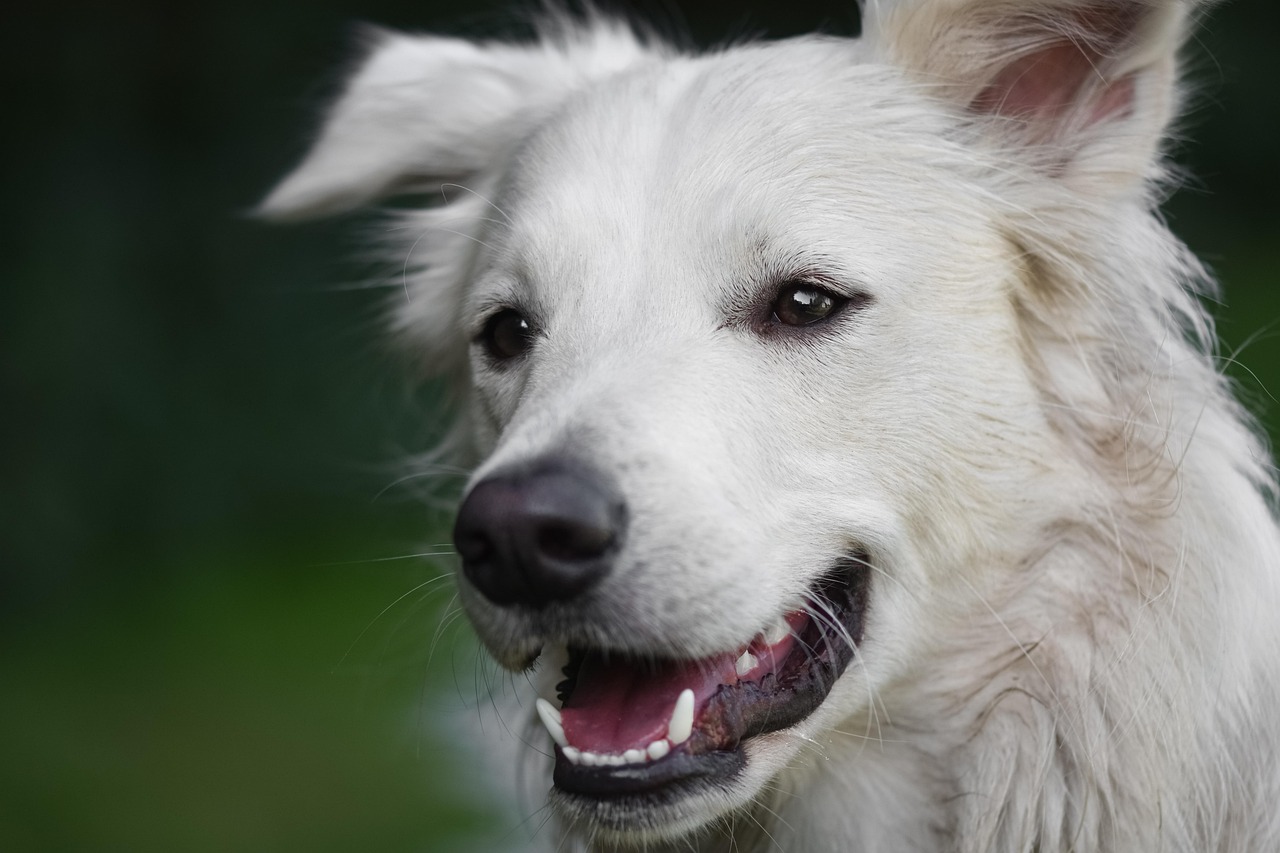
Capturing the unique personality of your furry, scaly, or feathered friend through photography is a rewarding experience. Whether you’re aiming for a professional photoshoot or simply want to improve your pet snapshots, this guide will provide you with a wealth of pet photography ideas to create stunning and memorable images. From understanding your pet’s behavior to mastering lighting and composition, we’ll cover everything you need to know to take your pet photography to the next level.
Understanding Your Pet’s Personality
Knowing Your Subject
Before you even pick up your camera, take the time to understand your pet’s personality. Are they playful and energetic, or calm and contemplative? Understanding their temperament will help you anticipate their movements and behaviors, allowing you to capture more authentic and engaging photos.
- Observe your pet in different situations.
- Note their favorite toys, activities, and resting spots.
- Consider their breed-specific traits and tendencies.
Creating a Comfortable Environment
Pets are often sensitive to new environments and equipment. Creating a comfortable and safe space is crucial for a successful photoshoot.
- Choose a familiar location, such as their favorite room or backyard.
- Introduce new equipment gradually, allowing them to sniff and explore.
- Use positive reinforcement, such as treats and praise, to encourage cooperation.
- Keep the session short and sweet, especially for pets with short attention spans.
Timing is Everything
Pay attention to your pet’s natural rhythms. Shooting when they are relaxed or playful will yield better results than trying to force a pose when they are tired or stressed.
- Schedule the shoot during their most energetic time if you want action shots.
- Opt for quieter moments if you prefer calmer, more serene portraits.
- Avoid shooting immediately after a meal, as they may be more sluggish.
Mastering Lighting and Composition
Natural Light is Your Best Friend
Whenever possible, utilize natural light. It’s softer, more flattering, and helps capture the true colors of your pet.
- Shoot during the golden hours (shortly after sunrise and before sunset) for warm, diffused light.
- Avoid harsh midday sunlight, which can create strong shadows and squinting.
- Position your pet near a window or in a shaded outdoor area for even lighting.
Understanding Composition
Composition is key to creating visually appealing photos. Experiment with different angles, perspectives, and framing techniques.
- Rule of Thirds: Divide your frame into nine equal parts and position your pet along the lines or at the intersections. This creates a more dynamic composition.
- Leading Lines: Use natural lines in the environment (e.g., a path, a fence) to draw the viewer’s eye towards your pet.
- Fill the Frame: Get close to your pet to capture their details and create a more intimate portrait.
- Negative Space: Utilize empty space around your pet to create a sense of balance and highlight their presence.
Dealing with Low Light
Sometimes you might need to shoot indoors or in less-than-ideal lighting conditions.
- Increase ISO: Boost your camera’s ISO setting to brighten the image, but be mindful of noise (graininess).
- Use a Fast Lens: A lens with a wide aperture (e.g., f/1.8 or f/2.8) lets in more light, allowing you to shoot at faster shutter speeds.
- Consider Artificial Light: A softbox or reflector can help diffuse artificial light and create more flattering results. Avoid using direct flash, which can cause harsh shadows and red-eye (or “green-eye” in pets).
Action Shots and Playful Poses
Capturing Movement
Action shots can be incredibly dynamic and showcase your pet’s energy. Use a fast shutter speed to freeze the motion.
- Burst Mode: Utilize your camera’s burst mode to capture a series of shots in quick succession.
- Predictive Autofocus: Use continuous autofocus (AF-C) to keep your pet in focus as they move.
- Anticipate the Action: Pay attention to your pet’s cues and anticipate their next move.
Engaging in Play
Encourage playful behavior to capture natural and candid moments.
- Use Toys: Throw a ball, wave a feather toy, or use a laser pointer to elicit reactions.
- Play Hide-and-Seek: Engage your pet in a game of hide-and-seek to capture their curiosity and excitement.
- Capture the Zoomies: If your pet gets the “zoomies,” be ready to capture their burst of energy.
Creative Angles
Don’t be afraid to get down on your pet’s level. Shooting from their perspective can create a more immersive and engaging image.
- Get Low: Lie on the ground to capture your pet from a low angle.
- Shoot Upwards: Angle your camera upwards to create a sense of grandeur and power.
- Experiment with Angles: Try shooting from different perspectives to find unique and interesting compositions.
Adding Props and Costumes (With Caution)
Keep it Safe and Comfortable
When using props or costumes, prioritize your pet’s safety and comfort. Never force them to wear anything they don’t like.
- Choose Pet-Friendly Materials: Opt for soft, lightweight, and non-toxic materials.
- Avoid Restrictive Costumes: Ensure that the costume doesn’t restrict their movement or breathing.
- Supervise Closely: Never leave your pet unattended while wearing a costume.
Themed Photoshoots
Props and costumes can be used to create fun and memorable themed photoshoots.
- Holidays: Dress your pet in festive attire for holiday-themed photos.
- Occupations: Dress them up as a doctor, firefighter, or chef for a humorous touch.
- Characters: Transform them into their favorite movie or book character.
Simple Props for Added Interest
Even simple props can add interest and context to your photos.
- Blankets and Pillows: Use soft blankets and pillows to create a cozy and inviting scene.
- Flowers and Greenery: Incorporate flowers and greenery to add a touch of nature.
- Personalized Items: Use your pet’s favorite toys, bowls, or collars as props.
Post-Processing and Editing Tips
Basic Adjustments
Post-processing can enhance your pet photos and bring out their best features.
- Exposure: Adjust the brightness and contrast to achieve a balanced image.
- White Balance: Correct the white balance to ensure accurate colors.
- Sharpening: Add a touch of sharpening to enhance details.
Color Correction
Color correction can help you create a more visually appealing image.
- Vibrance and Saturation: Adjust the vibrance and saturation to enhance the colors without making them look artificial.
- Hue Adjustment: Adjust the hue of specific colors to fine-tune the image.
Removing Distractions
Use post-processing tools to remove any distracting elements from the background.
- Spot Removal Tool: Use the spot removal tool to remove small blemishes or distractions.
- Cloning Tool: Use the cloning tool to copy and paste textures to cover up larger distractions.
Conclusion
Pet photography is a wonderful way to celebrate the unique bond you share with your animal companion. By understanding their personality, mastering lighting and composition, and utilizing creative techniques, you can capture stunning images that you’ll cherish for years to come. Remember to prioritize your pet’s comfort and safety, and have fun with the process! With a little patience and creativity, you can create unforgettable pet portraits that truly capture their essence.