

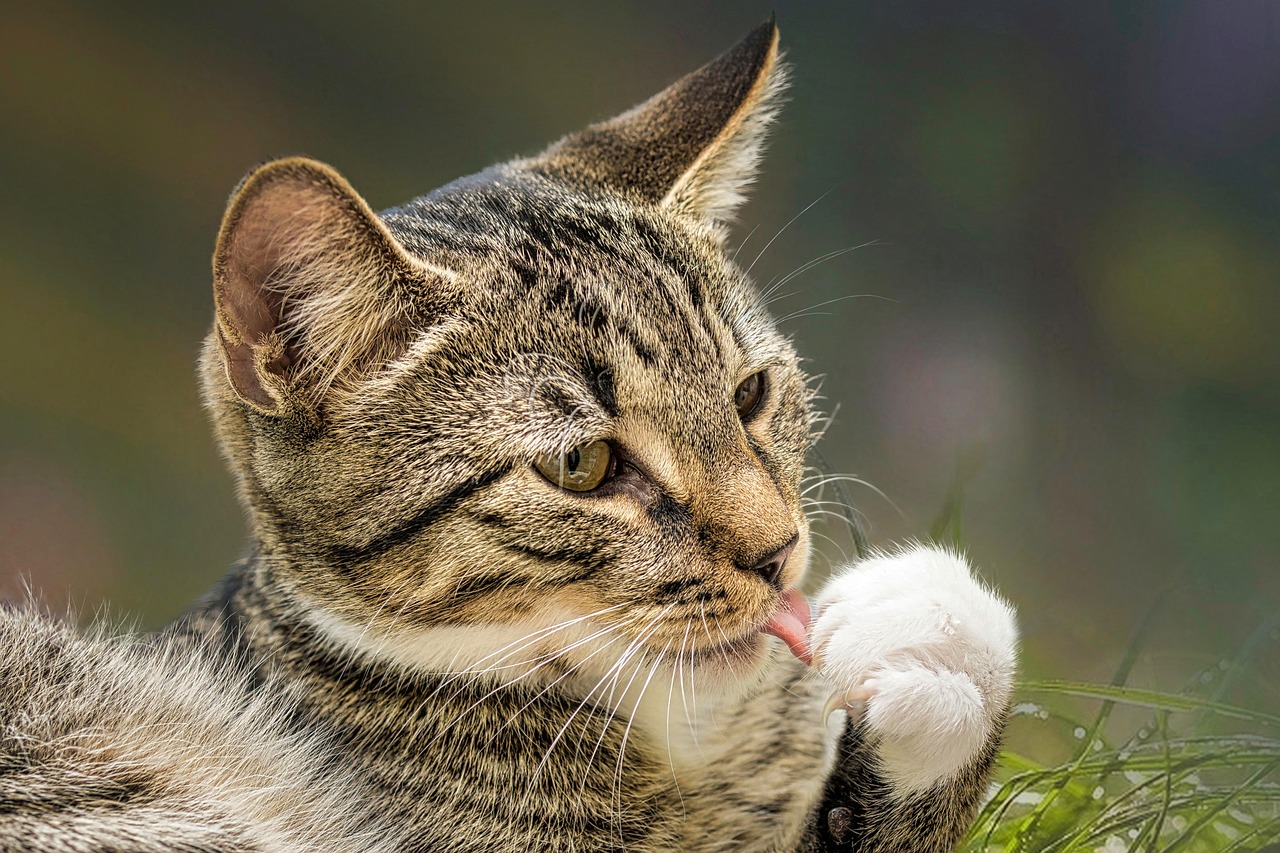
Vaccinations are a cornerstone of responsible pet ownership, safeguarding your furry companions from a host of preventable, and sometimes deadly, diseases. Navigating the world of pet vaccines can seem overwhelming, with different types, schedules, and recommendations. This guide aims to demystify the process, providing you with the essential information you need to make informed decisions about your pet’s health and wellbeing.
Understanding the Importance of Pet Vaccines
Protecting Your Pet and the Community
Vaccinations work by exposing your pet’s immune system to a weakened or inactive form of a disease-causing agent. This allows their body to develop antibodies, providing immunity against future infections. Vaccinating your pet isn’t just about protecting them; it contributes to herd immunity, protecting vulnerable animals, including those too young to be vaccinated or those with compromised immune systems.
- Individual Protection: Vaccines prevent your pet from contracting serious and potentially fatal diseases.
- Community Health: Reduces the spread of infectious diseases within the pet population.
- Legal Requirements: In many areas, certain vaccines, like rabies, are legally mandated.
For example, canine parvovirus is highly contagious and often fatal in puppies. Vaccination significantly reduces the risk of infection and widespread outbreaks. Similarly, feline leukemia virus (FeLV) can lead to various health problems, including cancer; vaccination offers crucial protection.
Core vs. Non-Core Vaccines
Not all vaccines are created equal. They are generally categorized into core and non-core vaccines, based on the risk of exposure and the severity of the disease.
- Core Vaccines: Recommended for all pets, regardless of lifestyle, due to the high risk and severity of the diseases they prevent. Examples include rabies, distemper, parvovirus, and adenovirus (for dogs) and rabies, feline viral rhinotracheitis, calicivirus, and panleukopenia (for cats).
- Non-Core Vaccines: Recommended based on your pet’s individual risk factors, such as lifestyle, geographic location, and exposure to other animals. Examples include Bordetella (kennel cough), Lyme disease, and leptospirosis (for dogs) and FeLV and feline infectious peritonitis (FIP) (for cats).
A dog that frequently visits dog parks or boarding facilities may benefit from a Bordetella vaccine, while a cat that lives exclusively indoors may not require the FeLV vaccine. Your veterinarian can help you assess your pet’s individual risk factors and determine the appropriate vaccination schedule.
Vaccine Schedules for Dogs and Cats
Canine Vaccination Schedule
The typical canine vaccination schedule starts with puppies receiving a series of vaccinations every 2-4 weeks, starting at 6-8 weeks of age and continuing until they are 16 weeks old. This ensures they develop adequate immunity as maternal antibodies wane.
- 6-8 Weeks: Distemper, parvovirus
- 10-12 Weeks: Distemper, parvovirus, adenovirus, parainfluenza (DHPP)
- 14-16 Weeks: DHPP, Rabies
- Annually or Every 3 Years (depending on vaccine type and local regulations): DHPP, Rabies
- Non-Core: Bordetella, Lyme, Leptospirosis (as recommended by your veterinarian)
It is crucial to follow your veterinarian’s recommendations for booster shots to maintain immunity throughout your dog’s life. A titer test can be used to measure antibody levels and determine if a booster is necessary.
Feline Vaccination Schedule
Similar to dogs, kittens typically receive a series of vaccinations starting at 6-8 weeks of age.
- 6-8 Weeks: Feline Viral Rhinotracheitis, Calicivirus, Panleukopenia (FVRCP)
- 10-12 Weeks: FVRCP
- 14-16 Weeks: FVRCP, Rabies
- Annually or Every 3 Years (depending on vaccine type and local regulations): FVRCP, Rabies
- Non-Core: FeLV, Feline Infectious Peritonitis (FIP) (as recommended by your veterinarian)
Feline leukemia virus (FeLV) vaccination is particularly important for kittens who may be exposed to other cats. Consult with your veterinarian regarding the appropriate timing and frequency of booster shots. It’s worth noting some vaccinations, while protecting against disease, can cause a reaction in rare cases. Your vet will advise on potential reactions and side effects.
Understanding Vaccine Side Effects and Risks
Common Side Effects
Like any medical procedure, vaccinations can sometimes cause side effects. Most are mild and temporary, resolving within a few days.
- Mild Discomfort: Soreness or swelling at the injection site.
- Mild Fever: Elevated body temperature.
- Lethargy: Temporary decrease in energy levels.
- Decreased Appetite: Reduced interest in food.
These side effects are usually self-limiting and require no specific treatment. However, if you notice any unusual or concerning symptoms, it’s essential to contact your veterinarian.
Rare but Serious Reactions
While rare, more serious reactions to vaccines can occur. These may include:
- Allergic Reactions (Anaphylaxis): Characterized by facial swelling, difficulty breathing, and collapse. This requires immediate veterinary attention.
- Vaccine-Associated Sarcomas (VAS): These are rare tumors that can develop at the injection site in cats. Choosing non-adjuvanted vaccines and rotating injection sites can help minimize this risk.
- Immune-Mediated Diseases: In very rare cases, vaccines can trigger autoimmune disorders.
Your veterinarian can discuss the risks and benefits of vaccination with you and help you make informed decisions about your pet’s care. Keeping accurate records of vaccinations is extremely helpful in managing potential reactions.
Minimizing Risk and Ensuring Vaccine Efficacy
Choosing the Right Vaccines
Work closely with your veterinarian to select the appropriate vaccines for your pet based on their individual risk factors, lifestyle, and geographic location. Not every pet needs every vaccine. Over-vaccination can increase the risk of adverse reactions.
- Consult with Your Veterinarian: Discuss your pet’s lifestyle and risk factors.
- Consider Titer Testing: If you’re concerned about over-vaccination, a titer test can measure antibody levels and determine if a booster is necessary.
- Choose Non-Adjuvanted Vaccines (for Cats): Adjuvants are substances added to vaccines to boost the immune response. Non-adjuvanted vaccines may reduce the risk of vaccine-associated sarcomas in cats.
Proper Vaccine Handling and Administration
Vaccines must be stored and handled properly to maintain their efficacy. Your veterinarian should follow strict protocols for vaccine storage, preparation, and administration.
- Proper Storage: Vaccines should be refrigerated at the correct temperature.
- Appropriate Administration: Vaccines should be administered by a trained professional.
- Accurate Record Keeping: Maintain accurate records of your pet’s vaccinations, including the vaccine type, manufacturer, and date of administration.
By working closely with your veterinarian and following recommended guidelines, you can ensure that your pet receives the maximum benefit from vaccinations with minimal risk.
Conclusion
Vaccinating your pet is one of the most effective ways to protect them from preventable diseases and contribute to the overall health of the pet community. By understanding the importance of vaccines, the different types available, and the potential risks and benefits, you can make informed decisions about your pet’s care. Always consult with your veterinarian to develop a personalized vaccination plan that meets your pet’s individual needs. Proactive preventative care is critical in promoting your pet’s health, quality of life, and longevity.