

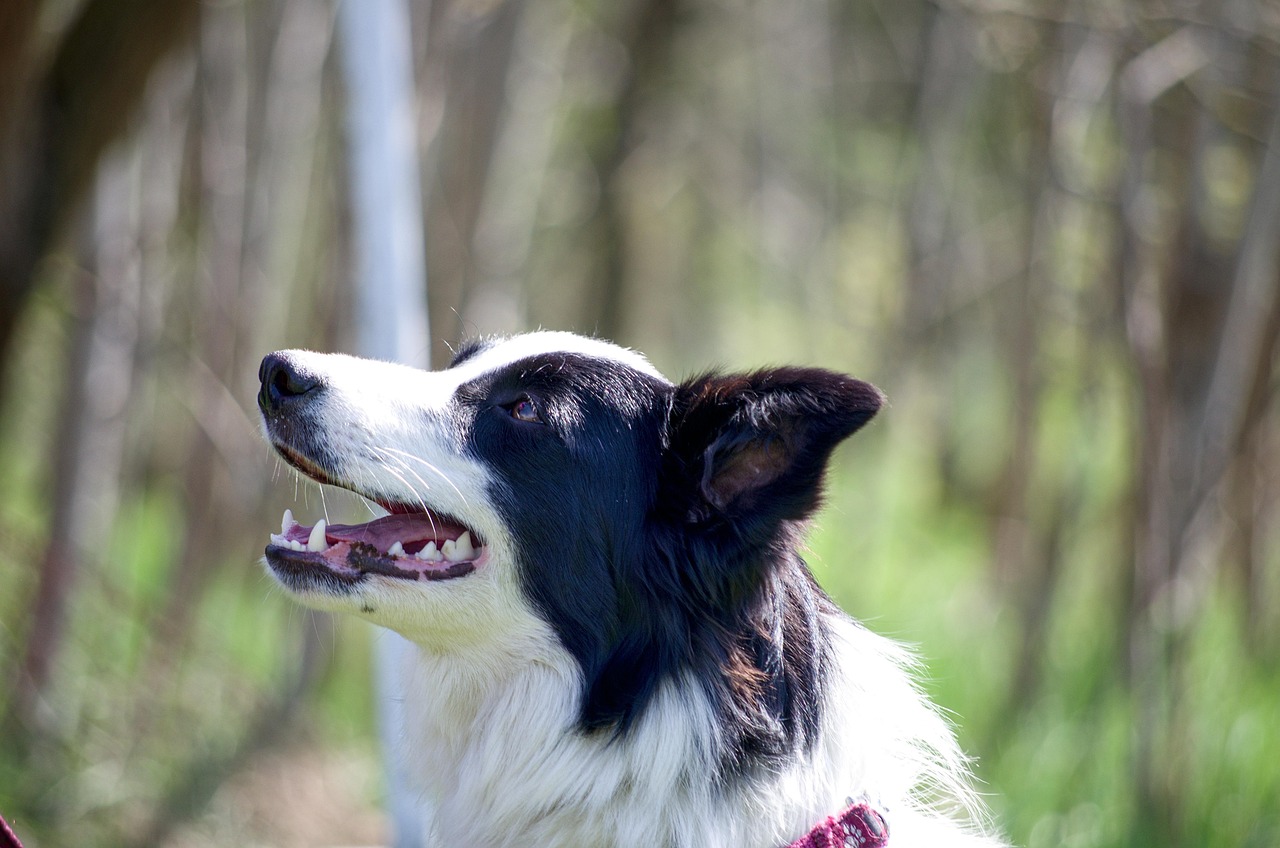
So, you want to teach your dog some impressive new tricks? That’s fantastic! Not only is it a fun bonding experience for you and your furry friend, but it’s also a great way to provide mental stimulation, boost their confidence, and strengthen your overall communication. Whether you’re aiming for simple tricks like “sit” and “stay” or more complex maneuvers like “play dead” and “fetch your slippers,” this comprehensive guide will provide you with the tools and techniques you need to become a successful dog trick instructor. Let’s dive in and unleash your dog’s inner performer!
Laying the Foundation: Essential Pre-Training Steps
Before you jump into teaching your dog the latest viral trick, it’s crucial to establish a solid foundation. This involves understanding your dog’s personality, choosing the right rewards, and creating a positive training environment.
Understanding Your Dog’s Personality and Learning Style
Every dog is an individual, and their personality and learning style will significantly impact the training process.
- Observe your dog’s behavior: Is your dog highly motivated by food, toys, or praise? Are they easily distracted, or do they have a naturally long attention span?
- Consider their breed: Some breeds are naturally more inclined to certain types of training. For example, herding breeds often excel at agility and obedience, while retrievers are naturally good at fetching.
- Be patient: Some dogs learn quickly, while others require more time and repetition. Don’t get discouraged if your dog doesn’t pick up a trick immediately.
- Adjust your approach: Tailor your training methods to suit your dog’s individual needs and preferences. If one method isn’t working, try another.
Choosing the Right Rewards
Rewards are essential for positive reinforcement and motivating your dog to learn.
- Food: High-value treats, such as small pieces of cooked chicken, cheese, or hot dogs, are often the most effective reward. Remember to account for these treats in your dog’s daily calorie intake.
- Toys: If your dog is highly motivated by toys, use their favorite toy as a reward. Engage in a brief play session after they successfully perform the trick.
- Praise: Verbal praise, such as “Good dog!” or “Yes!” is a valuable reward, especially when combined with other rewards.
- Affection: A gentle scratch behind the ears or a hug can also be a rewarding experience for your dog.
Creating a Positive Training Environment
A positive training environment is crucial for success.
- Choose a quiet location: Minimize distractions by training in a quiet area with few people or other animals.
- Keep training sessions short and fun: Aim for 5-10 minute sessions to keep your dog engaged and prevent boredom.
- End on a positive note: Always finish each training session with a trick your dog knows well to boost their confidence.
- Be patient and encouraging: Avoid getting frustrated or angry, as this can damage your relationship with your dog.
Mastering the Fundamentals: Basic Dog Tricks
Before moving on to more complex tricks, it’s essential to master the basics. These foundational tricks provide a solid base for future training.
Sit
“Sit” is one of the first and most important commands to teach your dog.
- Lure: Hold a treat in front of your dog’s nose and slowly move it over their head towards their tail. As their nose follows the treat, their rear end should naturally lower into a sit position.
- Verbal Cue: Say “Sit” as their rear end touches the ground.
- Reward: Immediately reward them with the treat and praise.
- Repetition: Repeat this process several times, gradually phasing out the lure and relying solely on the verbal cue.
Stay
“Stay” is another crucial command that requires patience and consistency.
- Prerequisite: Your dog should already know the “Sit” command.
- Command: Have your dog sit. Hold your hand up in a “stop” gesture and say “Stay.”
- Duration: Initially, only ask your dog to stay for a few seconds.
- Reward: Reward them with a treat and praise if they stay in position.
- Increase Duration: Gradually increase the duration of the “Stay” command.
- Distance: Gradually increase the distance between you and your dog while they are staying.
Down
“Down” is a useful command for calming your dog and preventing them from jumping.
- Lure: Hold a treat in front of your dog’s nose and slowly lower it to the ground.
- Movement: As your dog follows the treat, they should naturally lower their body into a down position.
- Verbal Cue: Say “Down” as their elbows touch the ground.
- Reward: Immediately reward them with the treat and praise.
- Repetition: Repeat this process several times, gradually phasing out the lure.
Come
“Come” is a vital recall command that can be life-saving.
- Start Close: Begin training in a quiet, enclosed area.
- Enthusiasm: Use an enthusiastic and happy tone of voice.
- Command: Say “Come” and gently tug on their leash.
- Reward: Reward them generously with treats and praise when they come to you.
- Distance: Gradually increase the distance between you and your dog.
- Practice in Different Environments: Once they reliably come to you in a controlled environment, practice in more distracting areas.
Unleashing Creativity: Advanced Dog Tricks
Once your dog has mastered the basic commands, you can move on to more advanced and impressive tricks.
Shake/High Five
Teaching your dog to “shake” or “high five” is a fun and engaging trick.
- Start with Paw Lift: Gently lift your dog’s paw and say “Shake” or “High Five.”
- Reward: Reward them with a treat and praise.
- Repetition: Repeat this process several times.
- Expectation: Gradually, your dog will begin to anticipate the treat and lift their paw on their own when you say the command.
- Hand Position: For “High Five,” hold your hand up slightly higher.
Play Dead
“Play dead” is a crowd-pleasing trick that requires patience and creativity.
- Lure: Have your dog lie down. Hold a treat near their nose and slowly move it towards their shoulder.
- Roll Over: As they follow the treat, they should naturally roll onto their side.
- Command: Say “Play Dead” as they roll onto their side.
- Reward: Reward them with a treat and praise.
- Refine: Gradually, encourage them to stay still in the “play dead” position for longer periods.
Fetch
“Fetch” is a classic dog trick that provides physical and mental stimulation.
- Object: Choose a favorite toy or ball.
- Throw: Throw the object a short distance.
- Command: Say “Fetch.”
- Encourage: Encourage your dog to retrieve the object.
- Reward: Reward them with praise and a treat when they bring the object back to you.
- Refine: Gradually increase the distance you throw the object.
Roll Over
This trick builds upon the “Down” command and requires a bit of coordination.
- Prerequisite: Your dog should know the “Down” command.
- Lure: Have your dog lie down. Hold a treat to one side of their head, near their nose.
- Movement: Slowly move the treat towards their shoulder, encouraging them to roll over onto their back and then onto their other side.
- Command: Say “Roll Over” as they begin to roll.
- Reward: Reward them immediately after they complete the roll.
- Repetition: Repeat this process several times.
Troubleshooting Common Training Challenges
Even with the best training methods, you may encounter some challenges along the way. Here’s how to address some common issues.
Lack of Focus
If your dog is easily distracted, try these tips:
- Reduce Distractions: Train in a quiet area with minimal distractions.
- Shorter Sessions: Keep training sessions short and frequent.
- High-Value Rewards: Use high-value treats to keep your dog motivated.
- Positive Reinforcement: Focus on positive reinforcement and avoid punishment.
Stubbornness
If your dog seems stubborn or unwilling to cooperate, try these techniques:
- Patience: Be patient and understanding.
- Adjust Method: Try a different training method.
- Rewarding Attempts: Reward small steps towards the desired behavior.
- Consult a Professional: If the problem persists, consult a professional dog trainer.
Regression
If your dog starts to forget tricks they previously knew, it’s important to address the issue promptly.
- Review Basics: Revisit the foundational steps of the trick.
- Shorter Sessions: Short, focused sessions can help rebuild their confidence.
- High-Value Rewards: Use high-value treats to reignite their motivation.
- Consistency: Maintain consistency in your commands and training routine.
Conclusion
Teaching your dog tricks is a rewarding experience that strengthens your bond and provides mental stimulation for your furry friend. By understanding your dog’s personality, using positive reinforcement, and being patient and consistent, you can unlock their full potential and teach them a variety of impressive tricks. Remember to celebrate your dog’s successes and enjoy the process of learning together! So, grab those treats, set aside some time, and start teaching your dog some amazing new tricks today!