

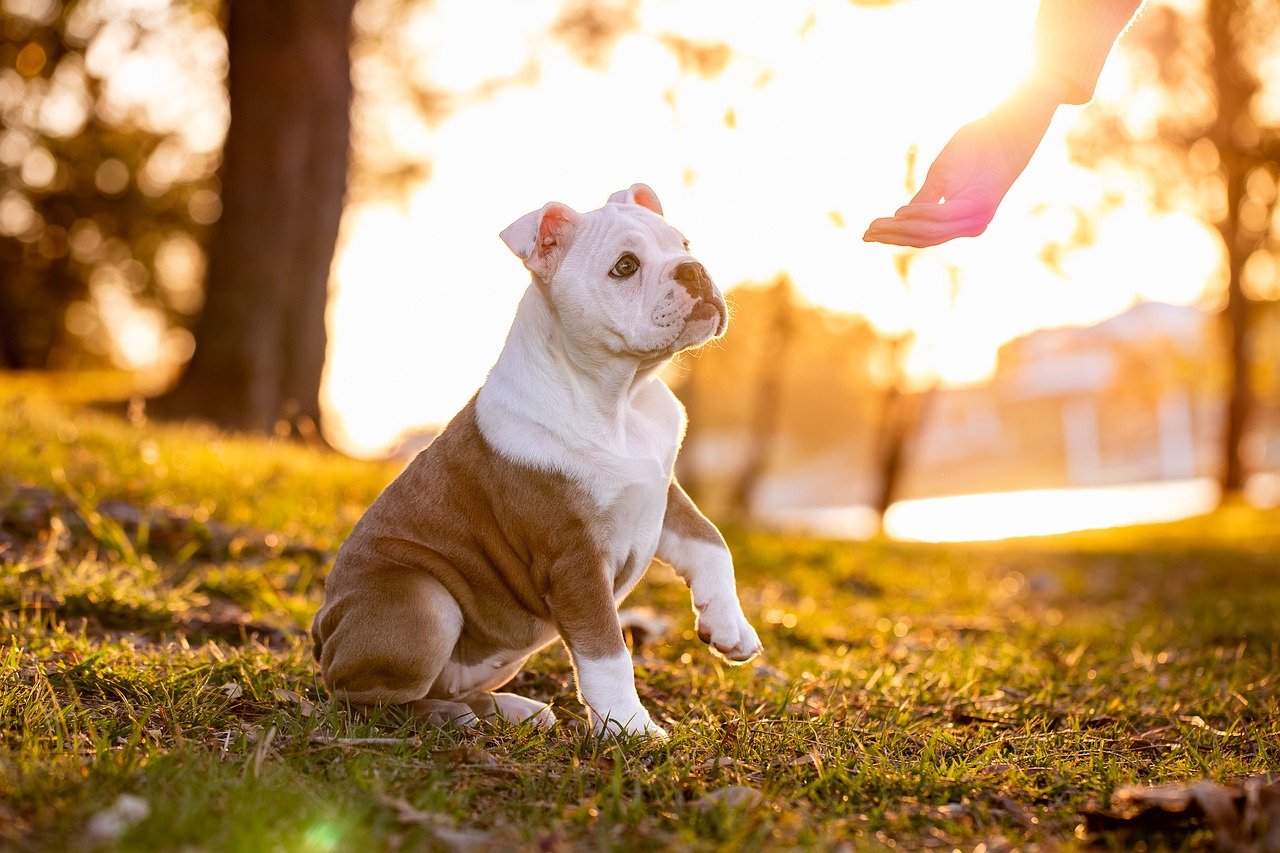
Bringing a new puppy home is an exciting time filled with cuddles, playtime, and endless potential. But it also comes with the responsibility of training your furry friend. Don’t be intimidated! Training a puppy at home can be a rewarding experience, strengthening your bond and setting your pup up for a happy, well-adjusted life. This guide provides a comprehensive approach to puppy training, covering everything from basic commands to socialization, all within the comfort of your own home.
Establishing a Foundation: Early Training Principles
The first few weeks with your puppy are crucial for setting the stage for successful training. Focus on building trust and establishing positive associations.
Creating a Safe and Comfortable Environment
- Designate a specific area as your puppy’s “safe space,” such as a crate or bed. Make it comfortable with soft bedding and toys.
- Puppy-proof your home by removing hazards like electrical cords, toxic plants, and small objects they could swallow.
- Keep cleaning supplies out of reach.
Starting with Positive Reinforcement
- Positive reinforcement involves rewarding desired behaviors with treats, praise, or toys. This encourages your puppy to repeat those actions.
- Avoid punishment, as it can create fear and anxiety, hindering the learning process. Studies show that positive reinforcement methods are significantly more effective and lead to better long-term results.
- Example: When your puppy sits, immediately say “Good sit!” and offer a small treat.
Short and Frequent Training Sessions
- Puppies have short attention spans. Keep training sessions brief, around 5-10 minutes, and repeat them several times a day.
- End each session on a positive note, with a command your puppy knows well and a reward.
- Vary the location of your training sessions to keep your puppy engaged.
Mastering Basic Commands: The Building Blocks
Teaching basic commands is essential for communication and control. Start with these fundamental commands:
Sit
- Hold a treat in front of your puppy’s nose.
- Slowly move the treat upwards and slightly back over their head.
- As your puppy follows the treat, their rear end should naturally lower into a sit position.
- Say “Sit” as they are sitting and immediately reward them with the treat and praise.
- Repeat this process multiple times a day.
Stay
- First, ensure your puppy knows the “Sit” command.
- Ask your puppy to “Sit.”
- Hold your hand up in a “stop” gesture and say “Stay.”
- Start with short durations (a few seconds) and gradually increase the time.
- If your puppy stays, reward them with praise and a treat. If they break the stay, gently say “No” and start again.
Come
- Use a cheerful and enthusiastic tone when saying “Come.”
- Crouch down to your puppy’s level and encourage them to come to you.
- When your puppy comes to you, shower them with praise and a treat.
- Practice this command in different locations and gradually increase the distance.
Down
- Hold a treat in front of your puppy’s nose.
- Slowly move the treat downwards towards the floor.
- As your puppy follows the treat, they should naturally lie down.
- Say “Down” as they are lying down and reward them with the treat and praise.
- If your puppy sits or backs up instead of lying down, try guiding them gently with your hand.
Potty Training: A Consistent Approach
Potty training requires patience and consistency. Accidents are inevitable, but a structured approach can significantly reduce them.
Establishing a Routine
- Take your puppy outside frequently, especially after waking up, eating, playing, and before bedtime.
- Choose a specific spot in your yard for your puppy to eliminate. The scent will encourage them to go there.
- Use a verbal cue, such as “Go potty,” while your puppy is eliminating.
Recognizing the Signs
- Learn to recognize the signs that your puppy needs to go, such as circling, sniffing, or squatting.
- If you see these signs, immediately take your puppy outside.
Handling Accidents
- If your puppy has an accident inside, clean it up thoroughly with an enzymatic cleaner to eliminate the odor and prevent repeat offenses.
- Avoid scolding or punishing your puppy, as this can create anxiety and make them afraid to eliminate in front of you.
Crate Training and Potty Training
- Crate training can be a valuable tool in potty training. Puppies instinctively avoid eliminating where they sleep.
- Ensure the crate is appropriately sized. It should be large enough for your puppy to stand up, turn around, and lie down comfortably, but not so large that they can eliminate in one corner and sleep in another.
- Never use the crate as punishment. It should be a safe and positive space for your puppy.
Socialization: Exposing Your Puppy to the World
Socialization is crucial for developing a well-adjusted and confident dog. Expose your puppy to a variety of sights, sounds, people, and other animals in a safe and controlled manner.
Safe and Positive Experiences
- Expose your puppy to new experiences gradually and positively.
- Pair new experiences with treats and praise to create positive associations.
- Avoid overwhelming your puppy with too much stimulation at once.
Introducing New People and Animals
- Introduce your puppy to a variety of people of different ages, ethnicities, and appearances.
- Supervise interactions with other dogs carefully to ensure they are positive and safe.
- Be mindful of your puppy’s body language and remove them from the situation if they appear stressed or overwhelmed.
Desensitization and Counter-Conditioning
- If your puppy is fearful of certain stimuli, use desensitization and counter-conditioning techniques.
- Desensitization involves gradually exposing your puppy to the feared stimulus at a low intensity, while counter-conditioning involves pairing the stimulus with something positive, such as treats.
- Example: If your puppy is afraid of the vacuum cleaner, start by showing them the vacuum cleaner from a distance, giving them treats and praise. Gradually move the vacuum cleaner closer, continuing to reward them for remaining calm.
Addressing Common Puppy Problems: Biting, Chewing, and Barking
Puppies are known for their playful biting, chewing, and sometimes excessive barking. These behaviors are often normal developmental stages, but it’s important to address them appropriately.
Biting and Mouthing
- Puppy biting is often a form of play. Teach your puppy that biting is unacceptable by redirecting their attention to a chew toy.
- If your puppy bites you too hard, say “Ouch!” in a high-pitched voice and stop playing immediately. This mimics how puppies communicate with each other.
- Avoid using your hands as toys, as this can encourage biting.
Destructive Chewing
- Provide your puppy with plenty of appropriate chew toys.
- Rotate the toys regularly to keep your puppy interested.
- Supervise your puppy closely and redirect them to a chew toy if they start chewing on something they shouldn’t.
- Use deterrent sprays on furniture and other items you want to protect.
Excessive Barking
- Determine the cause of the barking. Is your puppy bored, anxious, or trying to get your attention?
- Provide your puppy with plenty of exercise and mental stimulation to reduce boredom-related barking.
- Ignore attention-seeking barking. Only give your puppy attention when they are quiet.
- Consider consulting with a professional dog trainer or behaviorist if the barking is excessive or difficult to manage.
Conclusion
Training a puppy at home requires patience, consistency, and a positive attitude. By following these guidelines and adapting them to your puppy’s individual needs, you can successfully train your furry friend and build a strong, loving bond. Remember to celebrate small victories and enjoy the journey of watching your puppy grow into a well-behaved and happy companion.