

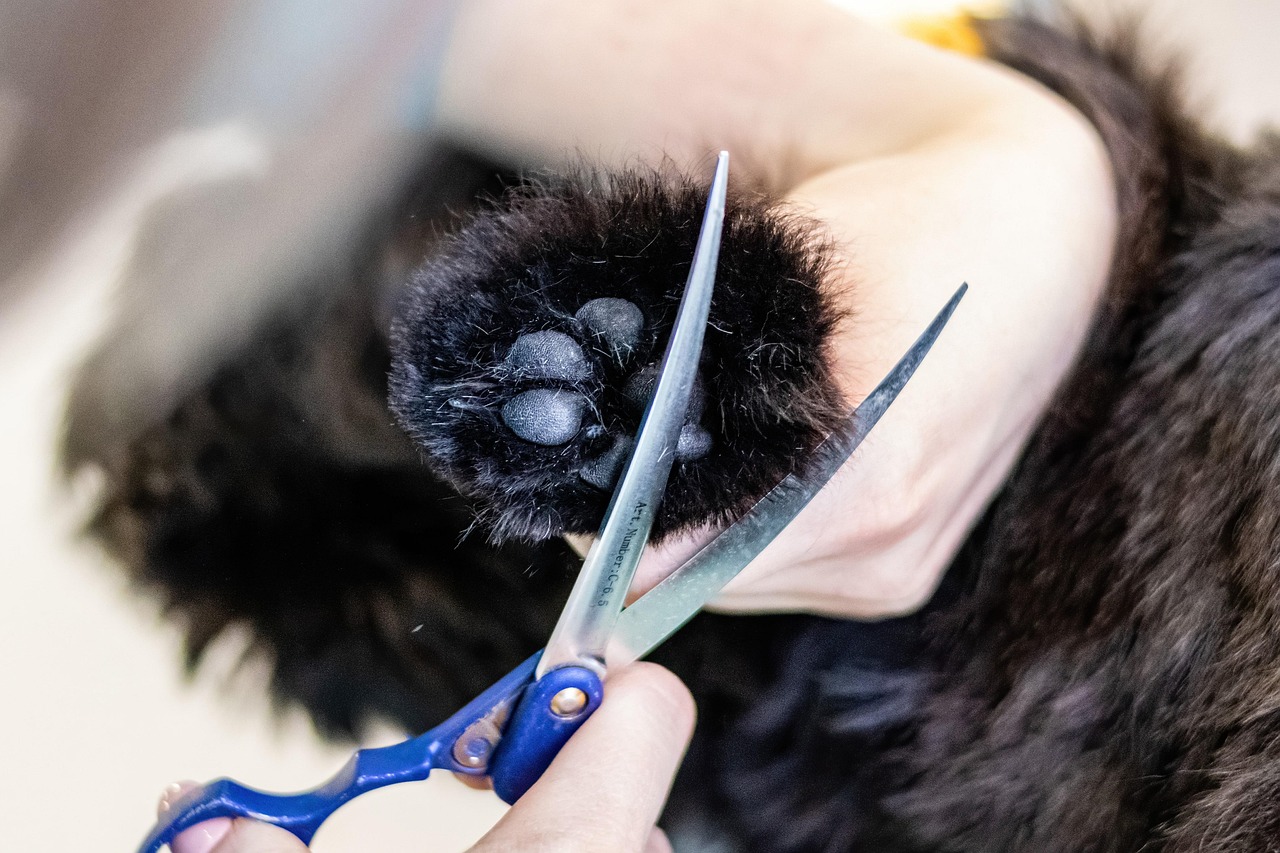
Proper dog grooming, especially brushing, is more than just aesthetics; it’s a cornerstone of their overall health and well-being. Regular brushing prevents matting, reduces shedding, and allows you to check for skin issues like fleas, ticks, or unusual lumps. Neglecting your dog’s coat can lead to discomfort, pain, and even skin infections. Let’s dive into the essential steps of brushing your canine companion for a healthy and happy life.
Why Regular Brushing is Essential for Your Dog
Brushing your dog regularly offers a multitude of benefits beyond just a tidy appearance. It’s an integral part of their hygiene and contributes significantly to their physical and emotional health.
Health Benefits of Brushing
- Reduces Shedding: Consistent brushing removes loose fur, preventing it from ending up on your furniture, clothes, and floors. For heavy-shedding breeds like Huskies and German Shepherds, this is a game-changer. One study showed that regular brushing can reduce shedding by up to 80% in certain breeds.
- Prevents Matting and Tangles: Matted fur can be incredibly painful and even cause skin infections. Brushing regularly prevents these mats from forming, particularly in long-haired breeds like Poodles and Shih Tzus.
- Stimulates Blood Circulation: The act of brushing massages your dog’s skin, improving blood circulation, which in turn promotes healthy skin and coat.
- Early Detection of Skin Issues: Brushing provides an opportunity to check for fleas, ticks, skin irritations, lumps, or wounds. Early detection allows for prompt treatment and prevents minor issues from becoming serious problems.
- Distributes Natural Oils: Brushing helps distribute your dog’s natural skin oils throughout their coat, keeping it healthy, shiny, and moisturized.
The Bonding Experience
Brushing isn’t just a chore; it’s a chance to bond with your dog. Many dogs enjoy the sensation of being brushed, making it a positive and relaxing experience for both of you. Turning brushing into a positive ritual can strengthen your relationship and build trust.
- Quality Time: Dedicate specific times for brushing when you can be calm and attentive.
- Positive Reinforcement: Use treats and praise during and after brushing to create a positive association.
- Gentle Approach: Be gentle and patient, especially when dealing with sensitive areas like the belly or legs.
Choosing the Right Brush for Your Dog’s Coat
The type of brush you use depends entirely on your dog’s coat type. Using the wrong brush can be ineffective or even painful for your dog.
Identifying Your Dog’s Coat Type
- Short Hair: Breeds like Boxers and Beagles have short, smooth coats.
- Long Hair: Breeds like Collies and Golden Retrievers have long, flowing coats.
- Wire Hair: Breeds like Terriers have coarse, wiry coats.
- Curly Hair: Breeds like Poodles and Bichon Frises have curly coats that are prone to matting.
- Double Coat: Breeds like Huskies and German Shepherds have a dense undercoat and a longer outer coat.
Brush Types and Their Uses
- Slicker Brush: Ideal for removing mats and tangles, especially in long-haired and curly-haired breeds. Look for one with coated tips to prevent skin irritation.
- Bristle Brush: Great for short-haired breeds and for finishing touches on long-haired breeds. They help distribute natural oils and remove loose fur.
- Undercoat Rake: Essential for double-coated breeds to remove loose undercoat and prevent matting.
- Deshedding Tool: Specifically designed to remove large amounts of loose fur from double-coated breeds. Use these tools sparingly, as over-use can irritate the skin. The Furminator is a popular brand of deshedding tool.
- Rubber Brush/Grooming Mitt: Effective for short-haired breeds and can be used during bath time. They gently massage the skin and remove loose fur.
- Combination Brush: Offers both bristles and pins, making it versatile for various coat types.
- Example: If you have a Golden Retriever, you’ll likely need a combination of an undercoat rake to remove loose undercoat and a slicker brush to deal with any tangles or mats that may form, especially around the ears and legs.
The Brushing Process: Step-by-Step Guide
Brushing your dog effectively requires a systematic approach. Start slowly and gradually increase the duration as your dog becomes more comfortable.
Preparing for the Brushing Session
- Choose a Comfortable Location: Select a well-lit and comfortable area where you and your dog can relax.
- Gather Your Supplies: Have your chosen brush, treats, and a towel readily available.
- Start Slowly: If your dog is new to brushing, begin with short sessions and gradually increase the duration.
- Positive Introduction: Let your dog sniff and examine the brush before you start. Reward them with treats and praise.
Brushing Technique
- Start at the Head: Gently brush your dog’s head and ears, using a soft brush or your fingertips if they’re sensitive.
- Work Your Way Down the Body: Brush in the direction of hair growth, paying attention to areas prone to matting, such as behind the ears, under the legs, and around the tail.
- Be Gentle: Avoid pulling or tugging on mats. Use a detangling spray or a mat splitter if necessary.
- Layered Approach: For long-haired breeds, lift layers of fur and brush from the skin outwards. This ensures you’re reaching the undercoat and preventing mats from forming close to the skin.
- Check for Skin Issues: As you brush, be vigilant for any signs of skin irritation, fleas, ticks, or unusual lumps.
- End with Praise and Treats: Always finish the brushing session with positive reinforcement to create a positive association.
Addressing Mats and Tangles
- Detangling Sprays: Apply a detangling spray to the affected area and gently work the tangle out with your fingers or a wide-toothed comb.
- Mat Splitter: Use a mat splitter to carefully separate the mat into smaller pieces before brushing.
- Professional Groomer: If the mats are severe or close to the skin, consult a professional groomer. They have the tools and expertise to safely remove them.
Brushing Frequency and Additional Tips
The frequency of brushing depends on your dog’s breed and coat type. Some dogs require daily brushing, while others can be brushed less frequently.
Establishing a Routine
- Daily Brushing: Long-haired and heavy-shedding breeds benefit from daily brushing to prevent mats and reduce shedding.
- Weekly Brushing: Short-haired breeds can typically be brushed once or twice a week.
- Seasonal Adjustments: During shedding season (usually spring and fall), increase brushing frequency for all breeds.
Additional Grooming Tips
- Bathing: Bathe your dog only when necessary, as frequent bathing can dry out their skin. Use a dog-specific shampoo.
- Nail Trimming: Trim your dog’s nails regularly to prevent overgrowth and discomfort.
- Ear Cleaning: Clean your dog’s ears regularly to prevent infections.
- Dental Hygiene: Brush your dog’s teeth regularly to maintain good oral health.
When to Seek Professional Help
- Severe Matting: If you’re unable to remove mats safely at home, consult a professional groomer.
- Skin Issues: If you notice any signs of skin irritation, infection, or unusual lumps, consult your veterinarian.
- Aggressive Behavior:* If your dog exhibits aggressive behavior during brushing, seek guidance from a professional trainer or behaviorist.
Conclusion
Regularly brushing your dog is a vital part of responsible pet ownership. It promotes a healthy coat and skin, helps prevent painful matting, allows for early detection of skin issues, and strengthens the bond between you and your furry friend. By following the guidelines outlined in this guide, you can establish a successful brushing routine that benefits both you and your dog. Remember to choose the right brush for your dog’s coat, be gentle and patient, and always reward them with positive reinforcement. Make brushing a positive experience, and you’ll be rewarded with a happy, healthy, and well-groomed companion.