

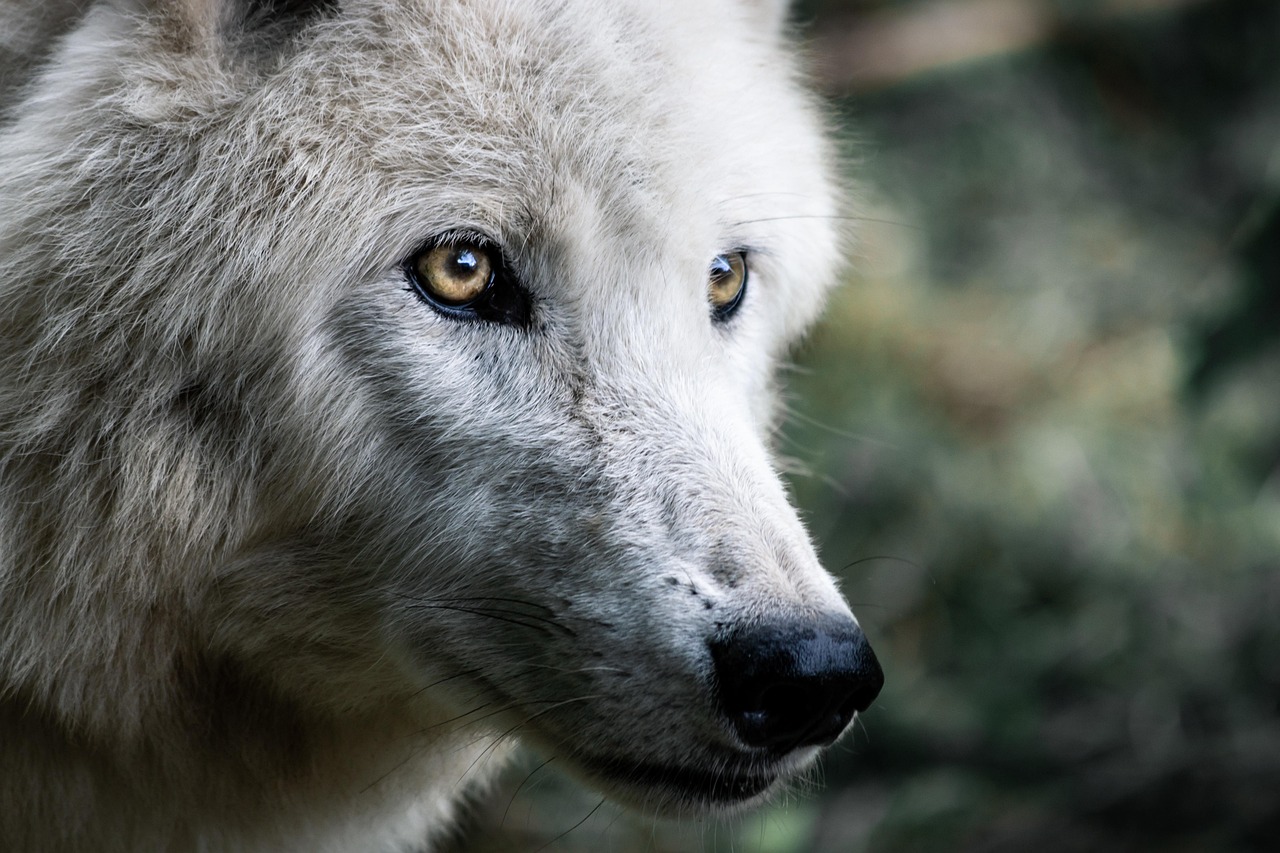
Exploring the great outdoors is a joy best shared, and for many of us, that includes our beloved canine companions. Luckily, countless hiking trails across the globe welcome furry friends, offering opportunities for exercise, adventure, and unforgettable bonding experiences. However, ensuring a safe and enjoyable hike for both you and your pet requires careful planning and preparation. This guide delves into finding and navigating pet-friendly hiking trails, equipping you with the knowledge needed to embark on unforgettable adventures with your four-legged pal.
Finding the Perfect Pet-Friendly Hiking Trail
Discovering the ideal trail for you and your dog is the first step towards a successful hike. Not all trails are created equal, and factors like trail difficulty, leash requirements, and available amenities play a crucial role.
Utilizing Online Resources and Apps
- AllTrails: This popular app and website offers a comprehensive database of hiking trails worldwide, with filters to specifically search for “dog-friendly” options. You can view user reviews and photos to get a better sense of the trail conditions and dog-friendliness.
- BringFido: Dedicated to pet travel, BringFido provides information on dog-friendly hiking trails, hotels, restaurants, and more. Their trail listings often include details about leash laws, water availability, and potential hazards.
- Local Park and Forest Service Websites: Directly accessing the websites of your local or state park services is an excellent way to find accurate and up-to-date information on trail regulations, permits, and potential closures. For example, searching “[Your State] State Parks” will often lead you to official resources.
Considerations When Selecting a Trail
- Trail Difficulty: Start with shorter, easier trails and gradually increase the difficulty as your dog’s fitness level improves. Consider factors like elevation gain, terrain (rocky, steep, etc.), and trail length.
- Leash Requirements: Always adhere to leash laws, as they are in place for the safety of your dog, other hikers, and wildlife. A retractable leash can offer some freedom while still maintaining control. Six foot leashes are often recommended.
- Water Availability: Ensure access to fresh water for both you and your dog. Pack plenty of water and consider using a collapsible water bowl for easy hydration on the go. Natural water sources can be contaminated, so bringing your own is preferable.
- Trail Surface: Hot pavement or sharp rocks can be harmful to your dog’s paws. Opt for trails with softer surfaces like dirt or packed gravel, especially during warmer months.
Preparing for a Safe and Enjoyable Hike
Proper preparation is paramount to a successful and safe hiking experience with your pet. This involves assessing your dog’s fitness, packing essential gear, and understanding potential hazards.
Assessing Your Dog’s Fitness and Health
- Consult with Your Veterinarian: Before embarking on any strenuous activity, consult with your veterinarian to ensure your dog is healthy enough for hiking. Discuss any potential health concerns, such as joint problems or respiratory issues.
- Start Slowly: Gradually increase your dog’s exercise level before tackling longer or more challenging hikes. Begin with shorter walks and gradually increase the distance and intensity.
- Age and Breed Considerations: Consider your dog’s age and breed. Puppies and senior dogs may have limitations, and certain breeds are more prone to overheating or respiratory problems. Brachycephalic (short-nosed) breeds like Bulldogs and Pugs are particularly susceptible to overheating.
Essential Gear for Your Dog
- Leash and Collar/Harness: A sturdy leash and a well-fitting collar or harness are essential for control and identification. Ensure the collar has up-to-date identification tags with your contact information. Consider microchipping your pet.
- Water and Food: Bring plenty of water and food for your dog, especially on longer hikes. Use a collapsible water bowl and pack dog-friendly snacks or meals in a lightweight container.
- Poop Bags: Always practice Leave No Trace principles and clean up after your dog. Pack plenty of poop bags and dispose of them properly in designated receptacles.
- First-Aid Kit: A basic first-aid kit for dogs should include items like antiseptic wipes, bandages, gauze, antibiotic ointment, and any necessary medications. Consider a tick removal tool.
- Paw Protection: If hiking on rough or hot surfaces, consider using paw protection like dog boots or paw wax.
Understanding Potential Hazards
- Wildlife Encounters: Be aware of the local wildlife and take precautions to avoid encounters. Keep your dog on a leash and avoid areas known to have predators.
- Poisonous Plants: Familiarize yourself with poisonous plants in the area, such as poison ivy, oak, and sumac. Keep your dog away from these plants and wash them thoroughly if they come into contact.
- Extreme Weather: Avoid hiking during extreme heat or cold. Heatstroke is a serious risk for dogs, so hike during cooler hours and provide plenty of water.
- Ticks and Fleas: Protect your dog from ticks and fleas by using preventative medications and checking them thoroughly after each hike.
Trail Etiquette for Dogs and Their Owners
Being a responsible pet owner on the trail ensures a positive experience for everyone. Respecting other hikers, wildlife, and the environment is crucial.
Leash Laws and Control
- Adhere to Leash Laws: Always comply with leash laws and keep your dog under control at all times. This prevents unwanted interactions with other hikers or wildlife.
- Yield to Other Hikers: Step aside and yield to other hikers, especially those with horses or other animals.
- Keep Your Dog on the Trail: Stay on designated trails to avoid damaging vegetation or disturbing wildlife habitats.
Waste Management
- Pack It Out: Always clean up after your dog and pack out the waste in designated receptacles.
- Dispose of Waste Properly: Never leave poop bags on the trail. Dispose of them in trash cans or pack them out with you.
- Bury Waste (If Necessary): In remote areas where there are no trash receptacles, bury your dog’s waste at least 6-8 inches deep and at least 200 feet away from water sources.
Respecting Wildlife
- Keep a Safe Distance: Maintain a safe distance from wildlife and never approach or feed animals.
- Prevent Chasing: Prevent your dog from chasing or harassing wildlife. This can disrupt their natural behavior and endanger both your dog and the animal.
- Be Aware of Nesting Season: Be extra cautious during nesting season, as birds and other animals are particularly sensitive to disturbance.
Trail Safety Tips and Best Practices
Prioritizing safety is essential for a successful and enjoyable hike with your dog. Implementing these tips will help minimize risks and ensure a positive experience.
Monitoring Your Dog’s Condition
- Watch for Signs of Fatigue: Pay close attention to your dog’s behavior and watch for signs of fatigue, such as excessive panting, slowing down, or lagging behind.
- Check for Paw Injuries: Regularly check your dog’s paws for injuries, such as cuts, abrasions, or blisters.
- Hydration is Key: Encourage your dog to drink water frequently, especially during warm weather.
Navigating Challenging Terrain
- Assist Your Dog: Offer assistance when navigating challenging terrain, such as steep inclines, rocky areas, or water crossings.
- Use a Harness: A harness with a handle can provide extra support and control when lifting your dog over obstacles.
- Avoid Overexertion: Avoid pushing your dog beyond their limits, especially on difficult trails.
Emergency Preparedness
- Carry a First-Aid Kit: Always carry a well-stocked first-aid kit for dogs and know how to use it.
- Learn Basic Dog First Aid: Take a course on basic dog first aid to learn how to treat common injuries and illnesses.
- Have a Communication Plan: Establish a communication plan in case of an emergency, such as a way to contact emergency services or a designated meeting point.
Conclusion
Hiking with your dog can be an incredibly rewarding experience, fostering a deeper bond and creating lasting memories. By carefully selecting pet-friendly trails, preparing adequately, practicing responsible trail etiquette, and prioritizing safety, you can ensure a safe, enjoyable, and unforgettable adventure for both you and your furry companion. Remember to always respect the environment, other hikers, and wildlife, and to continuously monitor your dog’s condition to ensure their well-being. Happy trails!