

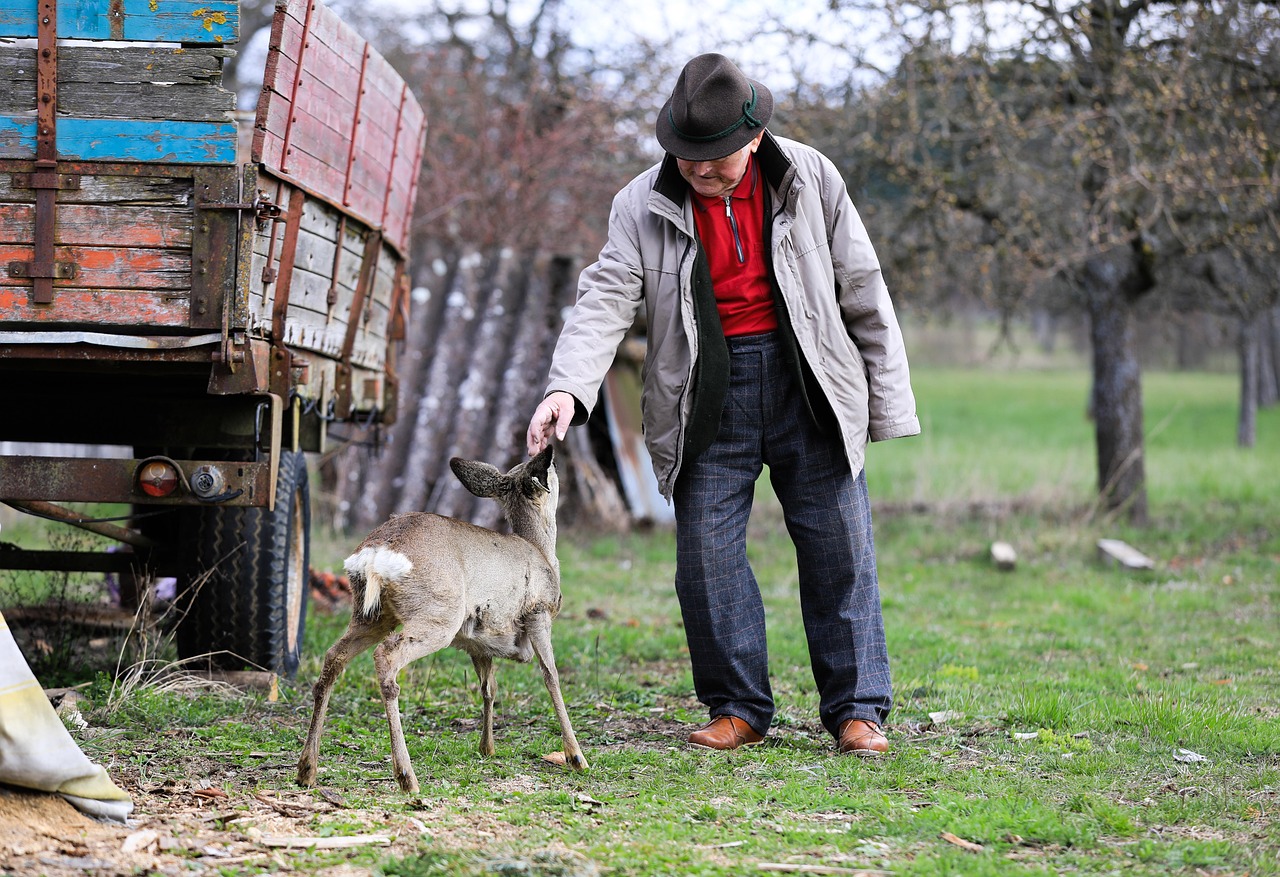
Creating a beautiful garden is a rewarding experience, but if you’re a pet owner, it’s crucial to ensure your green space is safe and enjoyable for your furry friends too. Many common garden plants and products can pose risks to pets, but with careful planning and mindful practices, you can create a thriving, pet-friendly oasis. This guide provides practical tips and advice for designing and maintaining a garden where your pets can explore and play safely.
Planning Your Pet-Friendly Garden
Choosing Safe Plants
Selecting non-toxic plants is the cornerstone of a pet-safe garden. Many common garden plants are poisonous to dogs and cats.
- Research is Key: Before planting anything, thoroughly research its toxicity level for your specific pets (dogs, cats, rabbits, etc.). The ASPCA website has a comprehensive list of toxic and non-toxic plants.
- Avoid Known Toxins: Steer clear of plants like lilies, azaleas, rhododendrons, daffodils, tulips, sago palms, oleander, and castor bean plants. Even small amounts can cause serious health issues.
- Embrace Pet-Safe Alternatives: There are many beautiful and safe plants to choose from, including:
Herbs: Basil, rosemary, thyme, and mint are typically safe and can be useful in the kitchen. (Note: while safe, large quantities of some herbs, like rosemary, can cause stomach upset)
Flowers: Sunflowers, zinnias, snapdragons, and petunias add color and are generally non-toxic.
Shrubs: Rose bushes (thornless varieties are preferable), camellias, and viburnums offer structure and beauty.
Grasses: Catnip and cat grass are specifically beneficial for cats, while ornamental grasses can add texture to your garden.
- Edible Gardens for Pets: Consider growing pet-friendly treats like carrots, blueberries, strawberries, and cucumbers. Your pets will love snacking on fresh, homegrown goodies.
Designing Pet-Proof Pathways
Well-defined pathways will help protect your plants from being trampled and give your pets a designated route through the garden.
- Create Clear Boundaries: Use sturdy edging materials like rocks, bricks, or wood to create visible boundaries between pathways and planted areas.
- Choose Durable Materials: Opt for pathway materials that can withstand pet traffic, such as gravel, mulch, flagstone, or pavers. Avoid cocoa mulch, which can be toxic to dogs.
- Widen Pathways: Wider pathways are easier for pets (and you) to navigate and reduce the likelihood of accidentally stepping on plants. A minimum width of 3 feet is recommended.
- Consider Raised Beds: Raised garden beds can physically separate plants from pets and prevent digging.
Creating Designated Potty Areas
Training your pets to use a specific area for elimination can save your plants and reduce unpleasant surprises.
- Choose a Location: Select a secluded, out-of-the-way area for your pet’s bathroom break. Ideally, this area should be easily accessible from the house.
- Use Attractive Substrates: Cover the area with materials that appeal to your pet, such as pea gravel, sand, or mulch.
- Train Your Pet: Consistently take your pet to the designated area and reward them for using it. Use positive reinforcement techniques.
- Maintain Hygiene: Regularly clean the area to prevent odors and bacteria buildup. Consider using an enzyme cleaner designed for pet waste.
Protecting Plants from Pets
Physical Barriers
Physical barriers are a simple and effective way to protect vulnerable plants.
- Fencing: Install low fencing around garden beds or individual plants to keep pets out. Chicken wire, decorative fencing, or even repurposed materials can work well.
- Plant Cages: Use wire or plastic cages to protect individual plants from digging or chewing.
- Netting: Cover seedlings or delicate plants with netting to prevent damage from birds, insects, and curious pets.
Using Repellents
Repellents can discourage pets from approaching certain areas without causing harm.
- Natural Repellents: Citrus peels, coffee grounds, and vinegar can deter pets from digging or chewing on plants. Sprinkle these around the base of plants or in areas you want to protect.
- Commercial Repellents: Many pet-safe commercial repellents are available at garden centers. Look for products that contain natural ingredients and are specifically designed for deterring pets.
- Motion-Activated Sprinklers: These sprinklers detect movement and emit a burst of water, which can startle pets and discourage them from entering protected areas.
Providing Alternative Activities
Bored pets are more likely to engage in destructive behaviors in the garden.
- Designated Play Areas: Create a separate play area for your pets with toys, digging pits, and shade.
- Interactive Toys: Provide toys that keep your pets entertained and mentally stimulated, such as puzzle toys, balls, or chew toys.
- Regular Exercise: Ensure your pets get plenty of exercise to burn off energy and reduce boredom.
Safe Gardening Practices
Choosing Pet-Safe Fertilizers and Pesticides
Many garden chemicals can be harmful or even fatal to pets.
- Opt for Organic Options: Choose organic fertilizers and pesticides whenever possible. These products are typically less toxic than synthetic alternatives.
- Read Labels Carefully: Always read and follow the instructions on fertilizer and pesticide labels. Pay attention to warnings about pet safety.
- Apply Products Safely: Apply fertilizers and pesticides when pets are not present and allow treated areas to dry completely before allowing pets to access them.
- Store Chemicals Securely: Store all garden chemicals in a locked cabinet or shed, out of reach of pets and children.
Mulch Safety
Mulch helps retain moisture, suppress weeds, and regulate soil temperature, but some types can be harmful to pets.
- Avoid Cocoa Mulch: Cocoa mulch is made from cocoa bean shells and contains theobromine, the same ingredient that makes chocolate toxic to dogs.
- Use Pet-Safe Alternatives: Shredded bark, wood chips, pine needles, and pea gravel are all safe alternatives to cocoa mulch.
- Monitor for Ingestion: Even with safe mulches, monitor your pets to ensure they are not ingesting large quantities.
Water Safety
Water features can be attractive to pets, but they can also pose drowning hazards.
- Supervise Pets Around Water: Always supervise pets around ponds, pools, and other water features.
- Provide Escape Routes: If you have a pond or pool, provide a ramp or steps that allow pets to easily escape if they fall in.
- Keep Water Clean: Regularly clean water features to prevent algae growth and bacteria buildup, which can be harmful to pets if ingested.
Maintaining a Healthy Pet-Friendly Garden
Regular Inspections
Regularly inspect your garden for potential hazards.
- Check for Toxic Plants: Periodically check your plants to ensure no new toxic plants have sprouted or been introduced.
- Remove Debris: Remove any debris, such as broken tools, sharp objects, or discarded food wrappers, that could pose a risk to your pets.
- Monitor for Pests: Monitor your plants for pests and diseases and take appropriate action to prevent infestations.
Proper Waste Disposal
Dispose of garden waste properly to prevent pets from ingesting harmful materials.
- Compost Responsibly: Compost food scraps and yard waste in a secure composter that pets cannot access.
- Bag Yard Waste: Bag and dispose of yard waste properly to prevent pets from eating contaminated materials.
- Clean Up Spills: Clean up any spills of fertilizers, pesticides, or other chemicals immediately.
Education and Awareness
Educate yourself and others about pet-safe gardening practices.
- Share Information: Share information about pet-safe gardening with friends, family, and neighbors.
- Label Plants: Label plants in your garden to easily identify potentially toxic species.
- Consult with Experts: Consult with a veterinarian or horticulturalist if you have any concerns about pet safety in the garden.
Conclusion
Creating a pet-friendly garden requires careful planning, mindful practices, and ongoing maintenance. By choosing safe plants, creating pet-proof pathways, using safe gardening products, and providing alternative activities for your pets, you can create a beautiful and enjoyable outdoor space for both you and your furry companions. Remember to stay informed, be vigilant, and prioritize your pet’s safety above all else. A little extra effort will ensure your garden is a safe and happy place for everyone to enjoy.