

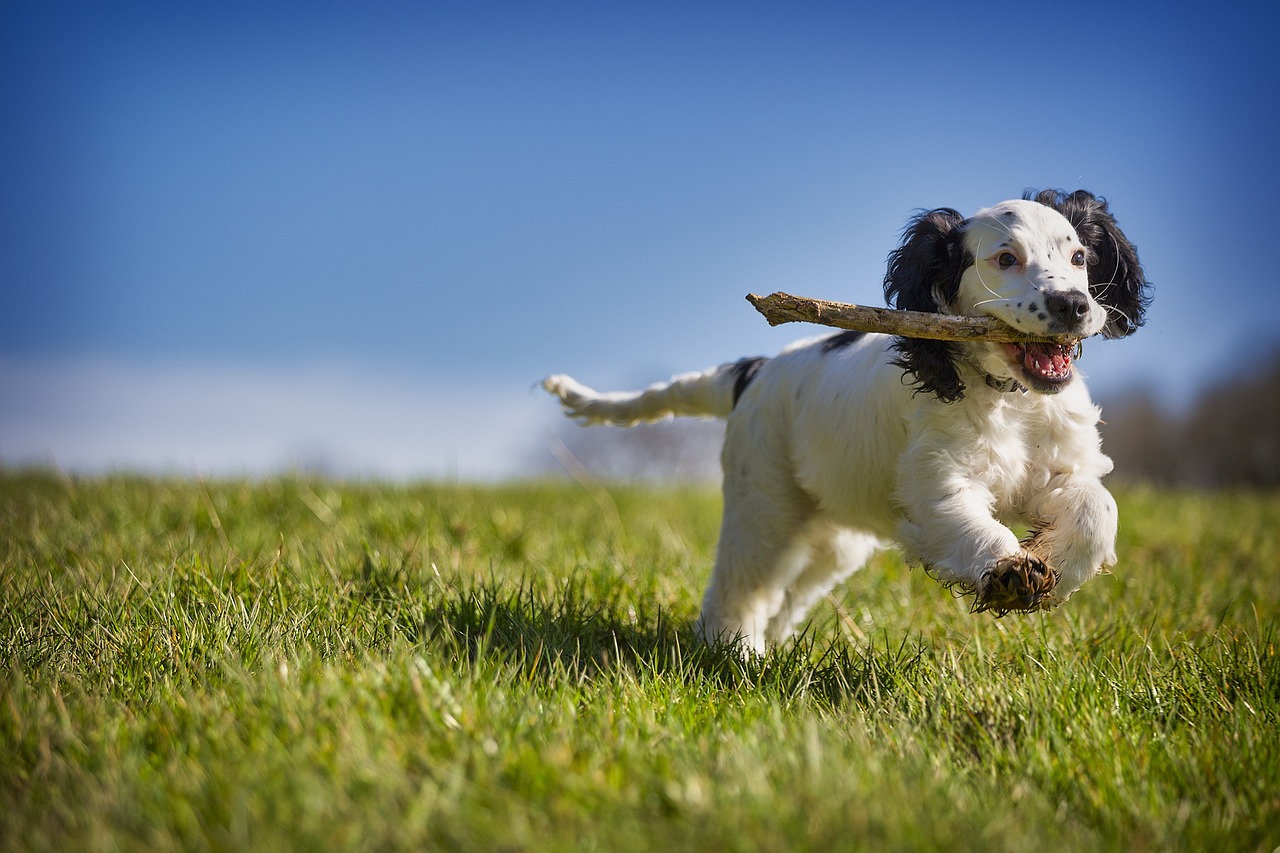
Teaching your dog to sit is one of the foundational commands for good behavior and sets the stage for more advanced training. It’s a simple yet powerful tool for managing your dog in various situations, from greeting guests to waiting patiently for their food. This guide provides a step-by-step approach to successfully teach your dog to sit, ensuring a positive and effective learning experience for both of you.
Why Teach Your Dog to Sit?
The Benefits of the “Sit” Command
Teaching your dog to sit offers numerous advantages for both you and your furry friend. It’s more than just a cute trick; it’s a practical command that enhances communication and improves your dog’s overall behavior.
- Improved Obedience: Sit is a building block for other commands, helping your dog learn to listen and respond to your instructions.
- Better Control: It allows you to manage your dog in various situations, such as when guests arrive or during vet visits.
- Increased Focus: Training encourages your dog to focus on you, strengthening the bond between you both. A study by the American Kennel Club found that dogs who undergo obedience training exhibit increased focus and attention spans.
- Reduced Anxiety: A well-trained dog is often more confident and less anxious in new or overwhelming environments.
- Safety: The sit command can be crucial in preventing your dog from running into the street or engaging in other dangerous behaviors.
Preparing for Training
Before you begin, it’s essential to set the stage for a successful training session. This includes choosing the right environment, gathering the necessary supplies, and understanding basic training principles.
- Choose a Quiet Environment: Minimize distractions by selecting a quiet area with few interruptions. Your backyard or a quiet room in your house are ideal locations.
- Gather Your Supplies: You’ll need high-value treats that your dog loves, a leash (optional), and a positive attitude.
- Keep Sessions Short and Sweet: Dogs have short attention spans, so aim for training sessions lasting no more than 5-10 minutes. Several short sessions throughout the day are more effective than one long session.
- Positive Reinforcement: Use positive reinforcement methods, such as rewarding desired behaviors with treats and praise. Avoid punishment, as it can create fear and anxiety.
Step-by-Step Guide to Teaching “Sit”
Luring with a Treat
The luring method is an effective way to introduce the “sit” command, especially for beginner dogs.
- Example: If your dog tries to jump or back away, adjust the treat’s position to encourage them to sit. It may take a few tries, but patience is key.
Adding the Verbal Cue
Once your dog consistently sits when lured with the treat, you can start introducing the verbal cue.
- Example: If your dog doesn’t sit after hearing the command, go back to the luring method for a few repetitions before trying again.
Fading the Lure
The goal is to eventually fade the lure, so your dog responds to the verbal command alone.
- Example: Start by making a large hand gesture and gradually make it smaller until it’s barely noticeable.
Common Mistakes and How to Avoid Them
Treating Too Soon or Too Late
Timing is crucial in dog training. Giving the treat too soon or too late can confuse your dog and hinder their progress.
- Treat at the Right Moment: Deliver the treat the instant your dog’s bottom touches the ground while saying “Sit!”.
- Avoid Premature Treats: Don’t give the treat if your dog is only halfway into the sit or hasn’t completed the action.
- Example: If your dog starts to sit but then stands up, wait until they fully sit before rewarding them.
Inconsistent Commands
Using different words or phrases for the same command can confuse your dog. Consistency is key to effective training.
- Use the Same Command: Always use the same word (“Sit!”) and tone of voice when giving the command.
- Avoid Nicknames: Refrain from using nicknames or variations of the command.
- Example: Instead of saying “Sit down” or “Settle,” stick to “Sit!”.
Overly Long Training Sessions
Long training sessions can lead to fatigue and frustration for both you and your dog.
- Keep Sessions Short: Limit training sessions to 5-10 minutes.
- Take Breaks: Incorporate breaks into longer training periods to keep your dog engaged.
- Example: Divide a 30-minute training session into three 10-minute sessions with short breaks in between.
Lack of Generalization
Teaching your dog to sit in one location doesn’t guarantee they’ll sit in other environments. Generalization is the process of practicing the command in different locations and situations.
- Practice in Different Environments: Once your dog reliably sits at home, start practicing in your backyard, at the park, and in other public places.
- Introduce Distractions: Gradually introduce distractions, such as people walking by or other dogs, to challenge your dog and improve their focus.
- Example: Start by practicing in your quiet backyard and gradually move to busier locations like a park or a pet store.
Advanced Training Techniques
Adding Duration
Once your dog reliably sits on command, you can start teaching them to hold the sit for longer periods.
- Example: Start by asking your dog to sit for 1 second, then 2 seconds, then 3 seconds, and so on, gradually increasing the duration.
Sit-Stay Combination
The “sit-stay” command is a valuable skill that requires your dog to remain in a sitting position until released.
- Example: Start by asking your dog to sit and stay for a few seconds, gradually increasing the duration and distance you move away from them.
Troubleshooting Common Issues
Even with the best training techniques, you may encounter some challenges along the way.
- Dog Won’t Sit: If your dog isn’t sitting, make sure you’re using high-value treats and that your luring technique is effective.
- Dog Breaks the Sit: If your dog breaks the sit, go back to shorter durations and more frequent rewards.
- Distractions: If your dog is easily distracted, try practicing in a quieter environment or using a leash to keep them focused.
- Example: If your dog consistently breaks the sit after 5 seconds, go back to practicing for 3 seconds and gradually increase the duration.
Conclusion
Teaching your dog to sit is a fundamental step in building a strong relationship and fostering good behavior. By following these step-by-step instructions, understanding common mistakes, and incorporating advanced training techniques, you can successfully teach your dog to sit reliably in various situations. Remember to stay patient, consistent, and positive throughout the training process. A well-trained dog is a happy dog, and the bond you create during training will last a lifetime.