

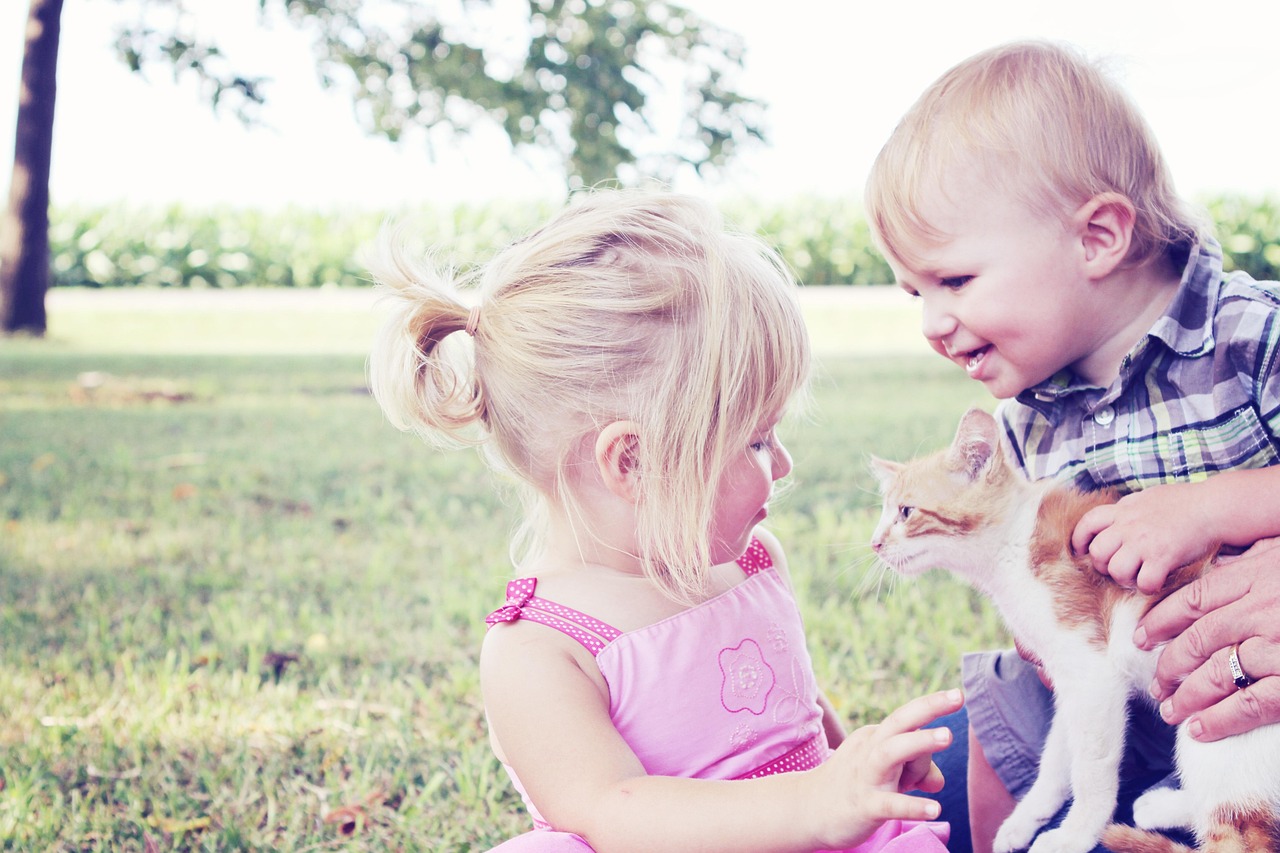
Taking care of a small pet can bring immense joy and companionship into your life. Whether you’re a first-time pet owner or looking to expand your furry (or scaly!) family, understanding the specific needs of your miniature companion is crucial. From hamsters and guinea pigs to rabbits, reptiles, and birds, each species has unique requirements to thrive. This comprehensive guide offers valuable insights and practical tips for ensuring your small pet lives a happy, healthy, and enriching life.
Choosing the Right Small Pet
Researching Different Species
Before bringing a small pet home, thorough research is essential. Each species has unique care requirements, and understanding these beforehand will ensure a good fit for both you and your future companion.
- Hamsters: Nocturnal, require spacious cages with bedding for burrowing, and enjoy running wheels. Syrian hamsters are solitary and should be housed alone.
- Guinea Pigs: Social animals that thrive in pairs or small groups, needing large cages with plenty of hay for grazing and vitamin C supplementation.
- Rabbits: Intelligent and social creatures that require ample space for hopping, enrichment activities like toys and tunnels, and a diet primarily consisting of hay.
- Reptiles (e.g., Leopard Geckos, Bearded Dragons): Require specific temperature and humidity levels, UVB and heat lamps, and insect-based diets (specific to species). Research the needs of each species before bringing it home.
- Birds (e.g., Budgies, Cockatiels): Require spacious cages with plenty of perches and toys, daily interaction, and a diet of seeds, pellets, and fresh fruits and vegetables.
Considering Your Lifestyle
Your lifestyle plays a significant role in determining the right pet for you. Consider factors such as your work schedule, living space, and activity level.
- Time Commitment: Some pets, like rabbits and birds, require significant daily interaction and attention, while others, like hamsters, may be more independent.
- Space Requirements: Larger pets, like rabbits, need more space than smaller pets, like hamsters. Ensure you have adequate space for their enclosure and for them to exercise.
- Allergies: Consider potential allergies to certain animals or their bedding.
- Budget: Don’t forget about the cost of food, bedding, vet care, and other necessary supplies. These costs can add up quickly.
Providing a Proper Habitat
Enclosure Size and Design
The size and design of your pet’s enclosure are crucial for their well-being. A cramped or unsuitable environment can lead to stress, boredom, and health problems.
- Hamsters: Minimum cage size of 450 square inches of floor space. Solid bottom wheels are a must!
- Guinea Pigs: Minimum cage size of 7.5 square feet for one guinea pig, and 10.5 square feet for two.
- Rabbits: Minimum cage size of 8 square feet, with access to a larger exercise area for several hours each day. Consider a hutch attached to a large run.
- Reptiles: Enclosure size depends on the species and adult size. Research specific requirements. Provide hides, climbing structures, and appropriate substrate.
- Birds: Cage should be large enough for the bird to fully extend its wings and fly short distances. Provide different perch sizes and textures.
Bedding and Substrate
The right bedding or substrate provides comfort, absorbs waste, and helps maintain a clean and hygienic environment.
- Hamsters & Guinea Pigs: Paper-based bedding, fleece liners (washable and reusable), or aspen shavings. Avoid cedar and pine shavings, as they can be harmful.
- Rabbits: Paper-based litter, hay, or fleece liners. Ensure the litter box is cleaned regularly.
- Reptiles: Paper towels (for quarantine), reptile carpet, or bioactive substrates (for some species). Research the specific needs of your reptile.
- Birds: Newspaper, paper towels, or bird-specific cage liners. Change the lining frequently.
Temperature and Humidity Control
Maintaining appropriate temperature and humidity levels is vital for the health of reptiles and some other small pets.
- Reptiles: Use thermometers and hygrometers to monitor temperature and humidity. Provide a temperature gradient with a basking spot and cooler areas. UVB and heat lamps are essential for many species.
- Birds: Avoid placing the cage in direct sunlight or drafts. Ensure the room is well-ventilated.
- General: Protect small pets from extreme temperatures. During winter, consider using a space heater (safely) to maintain a comfortable room temperature.
Nutrition and Hydration
Balanced Diet
A balanced diet is essential for maintaining your pet’s health and preventing nutritional deficiencies.
- Hamsters: High-quality hamster pellets, supplemented with fresh fruits and vegetables in moderation. Avoid sugary treats.
- Guinea Pigs: High-quality guinea pig pellets, unlimited hay (Timothy hay is ideal), and fresh vegetables daily (especially leafy greens and bell peppers for vitamin C).
- Rabbits: Unlimited hay, high-quality rabbit pellets (in limited quantities), and fresh leafy greens daily. Avoid sugary fruits and vegetables.
- Reptiles: Insect-based diets (crickets, mealworms, Dubia roaches) for insectivores, leafy greens and vegetables for herbivores, and commercially prepared diets for omnivores. Supplement with calcium and vitamin D3 as needed.
- Birds: High-quality bird pellets, supplemented with seeds, fresh fruits, and vegetables. Offer a variety of foods to ensure a balanced diet.
Fresh Water
Always provide fresh, clean water for your pet. Use a water bottle or a heavy ceramic bowl to prevent tipping.
- Daily Changes: Change the water daily to prevent bacterial growth.
- Multiple Sources: Consider providing both a water bottle and a bowl to give your pet options.
- Reptile Hydration: Provide a shallow water dish for soaking and mist the enclosure to increase humidity.
- Bird Baths: Offer a shallow dish of water for birds to bathe in.
Treat Moderation
Treats can be a fun way to bond with your pet, but they should be given in moderation to avoid weight gain and health problems.
- Hamsters & Guinea Pigs: Small pieces of fruits, vegetables, or commercially prepared treats.
- Rabbits: Small pieces of fruits or vegetables. Avoid sugary treats.
- Reptiles: Occasional treats such as waxworms (for insectivores) or small pieces of fruit (for herbivores).
- Birds: Seed sticks, millet sprays, or small pieces of fruit.
Health and Hygiene
Regular Check-ups
Regular veterinary check-ups are essential for detecting and preventing health problems.
- Annual Exams: Schedule annual check-ups with a veterinarian experienced in small animal care.
- Early Detection: Early detection of health problems can improve treatment outcomes.
- Vaccinations: Rabbits may require vaccinations against certain diseases.
- Dental Health: Rabbits and guinea pigs need regular dental checkups due to continuously growing teeth.
Grooming
Regular grooming helps maintain your pet’s hygiene and can also be a bonding experience.
- Brushing: Brush rabbits and long-haired guinea pigs regularly to prevent matting and hairballs.
- Nail Trimming: Trim your pet’s nails regularly to prevent overgrowth and discomfort. Use pet-specific nail clippers or consult your veterinarian.
- Bathing: Most small pets do not require frequent bathing. Spot clean as needed. Reptiles may require occasional soaking to aid shedding.
Cage Cleaning
Regular cage cleaning is essential for preventing bacterial growth and maintaining a healthy environment.
- Daily Spot Cleaning: Remove soiled bedding and droppings daily.
- Weekly Deep Cleaning: Empty the entire cage and clean it with warm, soapy water. Rinse thoroughly and allow it to dry completely before adding fresh bedding.
- Disinfecting: Periodically disinfect the cage with a pet-safe disinfectant.
Enrichment and Exercise
Toys and Activities
Providing toys and activities helps prevent boredom and encourages natural behaviors.
- Hamsters: Running wheels, tunnels, chew toys, and puzzle toys.
- Guinea Pigs: Tunnels, hideaways, chew toys, and foraging toys.
- Rabbits: Chew toys, tunnels, cardboard boxes, and puzzle toys.
- Reptiles: Climbing structures, hides, and puzzle feeders.
- Birds: Perches of varying sizes and textures, toys that can be chewed, and puzzle toys.
Social Interaction
Social interaction is essential for the well-being of social animals like guinea pigs and rabbits.
- Guinea Pigs: Keep guinea pigs in pairs or small groups.
- Rabbits: Consider bonding rabbits with a compatible partner.
- Birds: Provide daily interaction and attention. Teach them tricks or provide them with opportunities to mimic sounds.
Exercise
Regular exercise is essential for maintaining a healthy weight and preventing obesity.
- Hamsters: Provide a running wheel and allow them to explore outside their cage in a safe, supervised environment.
- Guinea Pigs: Provide a large cage and allow them to run around in a safe, supervised area.
- Rabbits: Provide a large exercise area where they can hop and explore.
- Reptiles: Provide opportunities to climb and explore.
- Birds: Allow them to fly around in a safe, enclosed area.
Conclusion
Caring for a small pet requires dedication, research, and a commitment to providing a safe, healthy, and enriching environment. By understanding the specific needs of your chosen species and following these tips, you can ensure that your small companion thrives and brings you years of joy and companionship. Remember to always consult with a veterinarian experienced in small animal care for any health concerns or specific dietary recommendations.