

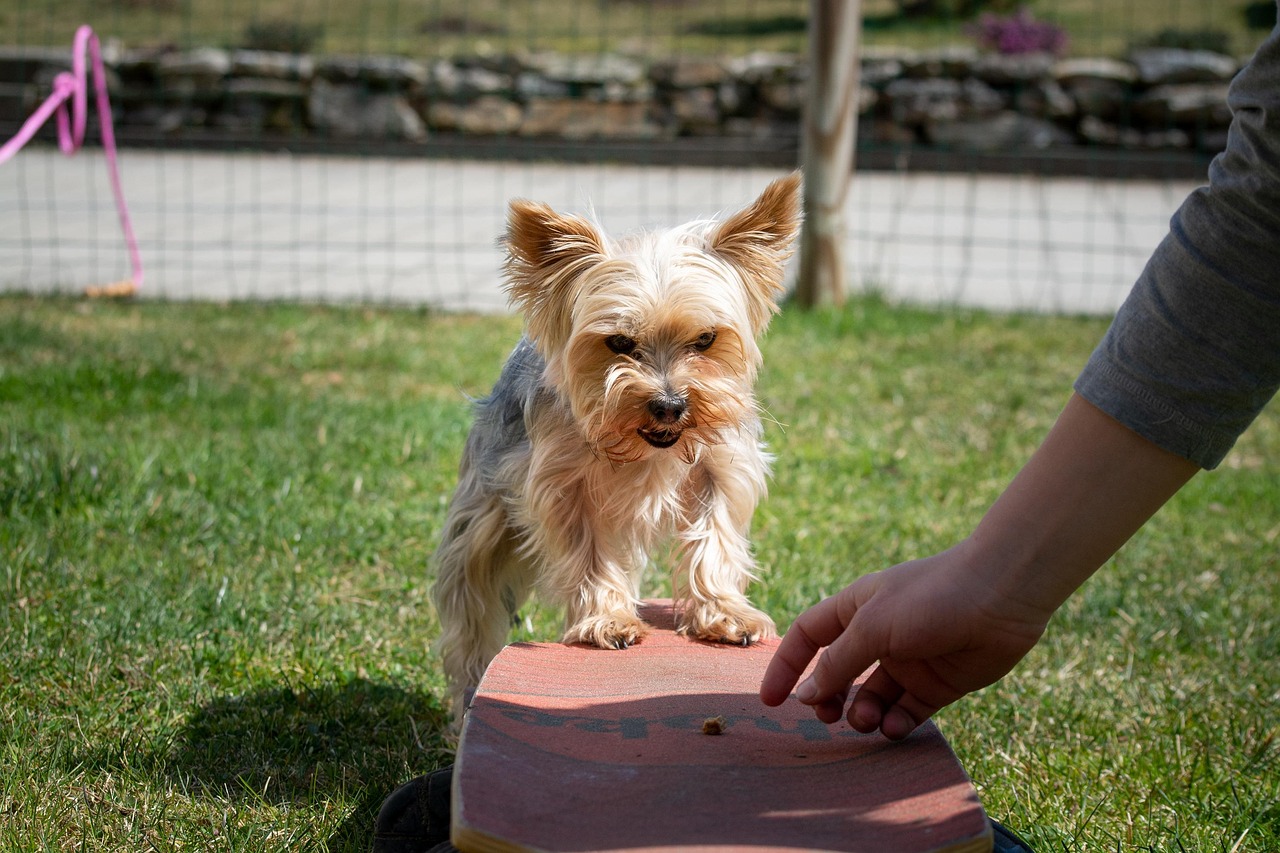
Separation anxiety in dogs can be heartbreaking for both the dog and their owner. The howling, destructive behavior, and overall distress your furry friend experiences when you’re away can leave you feeling helpless and guilty. But don’t despair! With patience, consistent training, and the right approach, you can significantly reduce your dog’s anxiety and help them feel safe and secure, even when you’re not around. This comprehensive guide will walk you through the process of understanding and tackling dog separation anxiety.
Understanding Dog Separation Anxiety
What is Separation Anxiety?
Separation anxiety is a distress response exhibited by dogs when they are left alone or separated from their owners (or other bonded individuals). It’s more than just simple boredom; it’s a genuine panic reaction that manifests in various ways. Approximately 14% of dogs exhibit signs of separation anxiety, according to a study published in the Journal of Veterinary Behavior. Recognizing the signs is the first step in addressing the problem.
Common Signs and Symptoms
Identifying separation anxiety can be tricky, as some behaviors can be mistaken for other issues. Look for these common signs that typically occur within minutes of you leaving:
- Destructive behavior: Chewing furniture, scratching doors, digging at carpets, especially around exit points. For example, a dog might target the door you usually leave through.
- Excessive vocalization: Howling, barking, whining, especially when you are preparing to leave or shortly after you depart. This is often continuous, not just a few barks.
- Inappropriate elimination: Urinating or defecating inside, even if the dog is otherwise house-trained. This isn’t always “revenge”; it’s often a sign of panic.
- Pacing and restlessness: Moving back and forth, unable to settle down. Sometimes, this is accompanied by panting.
- Escape attempts: Trying to get out of the house or crate, often leading to injury.
- Salivation, panting, and other signs of stress: These physiological signs can accompany the other behaviors.
It’s important to differentiate between true separation anxiety and other behavioral problems. For example, destructive chewing might be due to boredom in a young dog with plenty of energy. Consulting with a veterinarian or certified professional dog trainer can help you accurately diagnose the issue.
Ruling Out Other Medical or Behavioral Problems
Before assuming it’s separation anxiety, consult your veterinarian to rule out any underlying medical conditions. Some conditions can cause similar symptoms, such as:
- Urinary tract infections (UTIs): Can lead to inappropriate urination.
- Cognitive Dysfunction Syndrome (CDS) in older dogs): Can cause changes in behavior, including elimination problems and anxiety.
A certified professional dog trainer (CPDT-KA) or a veterinary behaviorist can help you distinguish separation anxiety from other behavioral problems like:
- Boredom: Lack of mental and physical stimulation can lead to destructive behavior.
- Incomplete house training: Accidents can happen if the dog isn’t fully house-trained.
- Attention-seeking behavior: Some dogs may engage in undesirable behavior to get your attention, even negative attention.
Creating a Safe and Comfortable Environment
The Importance of a Secure Base
A safe and comfortable environment is crucial for managing separation anxiety. This means providing a designated space where your dog feels secure and relaxed.
- Crate training: If your dog is crate trained, their crate can be a safe haven. Make sure it’s comfortable with bedding, toys, and water. Never use the crate as punishment.
- Designated “safe room”: If your dog isn’t crate trained, choose a small, quiet room. Make it comfortable with their bed, toys, and a water bowl.
- DAP diffuser or spray: Dog Appeasing Pheromone (DAP) mimics the pheromone released by a mother dog to calm her puppies. Using a DAP diffuser or spray in their safe space can help reduce anxiety. Studies have shown a reduction in anxiety behaviors in dogs exposed to DAP.
Enriching Your Dog’s Environment
Enrichment is key to preventing boredom and reducing anxiety. Providing mental and physical stimulation can help your dog feel more relaxed and less likely to develop separation anxiety.
- Puzzle toys: Use puzzle toys to keep your dog entertained and mentally stimulated. Fill them with treats or kibble. Examples include Kongs, treat balls, and snuffle mats. Rotate them regularly to keep things interesting.
- Chew toys: Provide appropriate chew toys to satisfy their natural chewing instincts.
- Background noise: Leave on calming music or a television at a low volume. Some dogs find the sound of human voices comforting. Consider nature sounds or classical music.
- Regular exercise: Ensure your dog gets plenty of exercise before you leave. A tired dog is a happier dog. A brisk walk or a play session in the park can help burn off excess energy.
Gradual Desensitization and Counter-Conditioning
Understanding the Process
Desensitization and counter-conditioning are the cornerstones of separation anxiety training. Desensitization involves exposing your dog to the triggers of their anxiety (such as you getting ready to leave) in a gradual and controlled manner. Counter-conditioning involves associating those triggers with something positive, such as treats or a favorite toy.
Step-by-Step Desensitization Exercises
Start with small steps and gradually increase the duration and intensity of the triggers.
- Important Considerations:
Go at your dog’s pace: If your dog shows signs of anxiety at any step, go back to a previous step and work on it for a longer period.
Be consistent: Consistency is key. Practice these exercises daily, even on days when you don’t plan to leave the house.
Stay calm: Your dog can sense your anxiety. Stay calm and relaxed during the exercises.
Counter-Conditioning Techniques
Pairing your departure cues with something positive can help change your dog’s association with those triggers.
- Special Treat or Toy: Give your dog a special treat or toy only* when you are leaving. Take it away when you return. This creates a positive association with your departure. A Kong filled with peanut butter or a special chew toy works well.
- Calming Music: Play calming music or white noise when you leave. This can help mask outside noises and create a relaxing atmosphere.
- Interactive Feeders: Use puzzle feeders when you leave to keep your dog occupied and mentally stimulated.
Management Techniques and Medications
Short-Term Management Strategies
While training takes time, there are some short-term management strategies you can implement to help reduce your dog’s anxiety while you are working on the underlying issue.
- Dog Daycare: Consider taking your dog to daycare a few times a week. This provides socialization and exercise and keeps them from being alone.
- Dog Walker or Pet Sitter: Hire a dog walker or pet sitter to come and spend time with your dog while you are away.
- Interactive Cameras: Use an interactive camera with two-way audio and a treat dispenser. This allows you to check in on your dog and provide reassurance.
When to Consider Medication
In severe cases of separation anxiety, medication may be necessary in conjunction with behavior modification training. Medication can help reduce anxiety levels and make it easier for your dog to learn new behaviors.
- Consult with your veterinarian or a veterinary behaviorist: They can evaluate your dog and determine if medication is appropriate.
- Common medications: Common medications used to treat separation anxiety include selective serotonin reuptake inhibitors (SSRIs) such as fluoxetine (Prozac) and sertraline (Zoloft), and tricyclic antidepressants (TCAs) such as clomipramine (Clomicalm).
- Important note: Medication alone is not a cure. It must be combined with behavior modification training for the best results.
Conclusion
Separation anxiety in dogs is a challenging but manageable condition. By understanding the signs, creating a safe environment, implementing gradual desensitization and counter-conditioning techniques, and seeking professional help when needed, you can help your dog overcome their anxiety and live a happier, more relaxed life. Remember that patience, consistency, and a positive approach are key to success. Every dog is different, so it’s crucial to tailor your training plan to your dog’s specific needs and personality. Don’t give up – with dedication, you can help your furry friend feel safe and secure, even when you’re not around.