

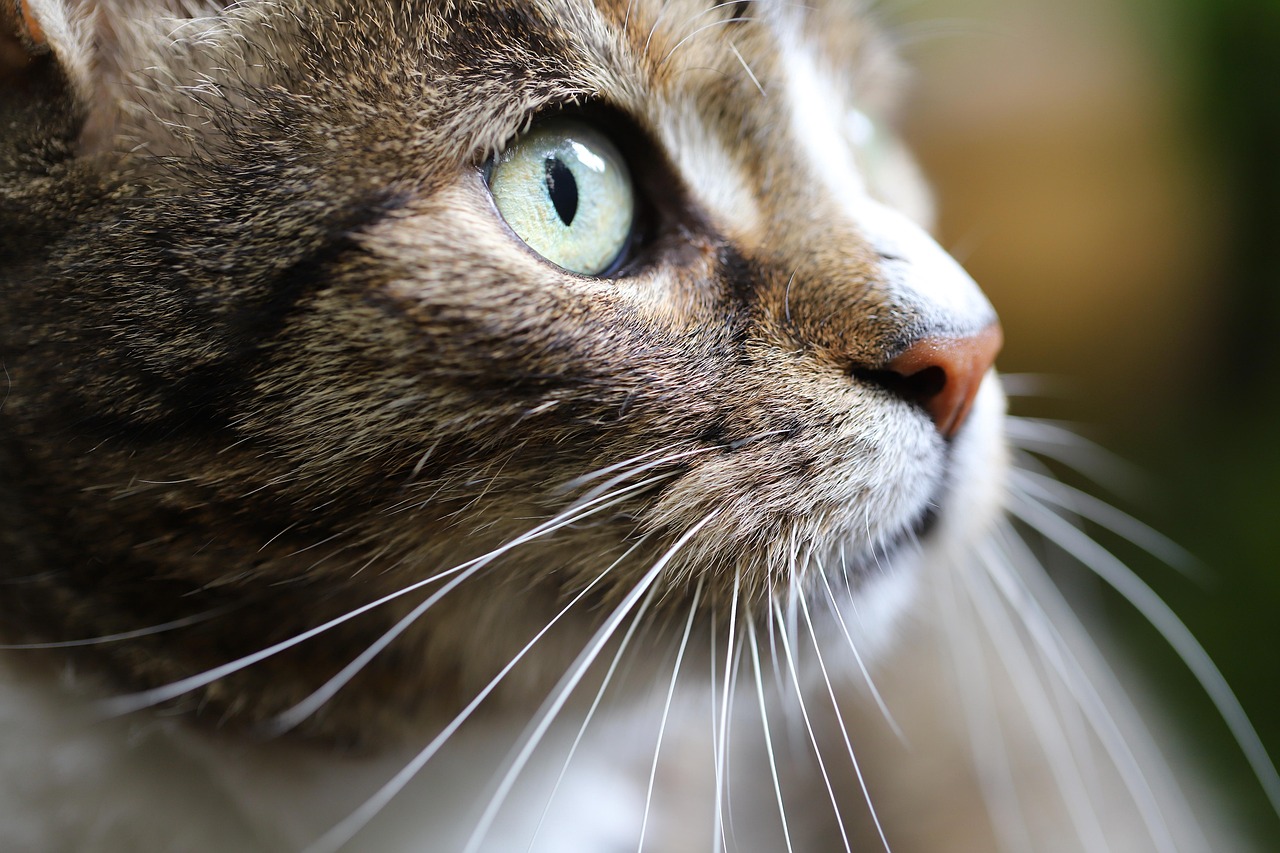
Cats might seem content napping in sunbeams, but beneath that furry exterior lies a curious and intelligent mind that craves stimulation. Just like humans, cats thrive when they have opportunities to engage in enriching activities. Cat enrichment isn’t just about pampering your feline friend; it’s about providing an environment that caters to their natural instincts, promoting physical and mental well-being, and ultimately strengthening the bond you share. This article delves into the world of cat enrichment, offering practical tips and ideas to transform your home into a stimulating haven for your beloved companion.
Understanding Cat Enrichment
What is Cat Enrichment?
Cat enrichment encompasses modifications to a cat’s environment and lifestyle designed to stimulate their senses, encourage natural behaviors, and reduce boredom and stress. It’s about creating opportunities for them to express their instincts safely and appropriately.
- Stimulates Natural Behaviors: Allows cats to hunt, explore, scratch, climb, and play.
- Reduces Boredom and Stress: Prevents problem behaviors stemming from inactivity.
- Improves Physical and Mental Health: Encourages exercise and mental acuity.
- Strengthens the Human-Animal Bond: Interactive play fosters a stronger connection.
Why is Enrichment Important?
Domestic cats, while loved and cared for, often live in environments that don’t adequately challenge them. This can lead to:
- Behavioral Issues: Destructive scratching, excessive meowing, aggression, or litter box problems.
- Physical Health Concerns: Obesity, inactivity, and related health complications.
- Mental Health Issues: Anxiety, depression, and boredom.
Studies have shown that enriched environments can significantly improve a cat’s quality of life. For example, a study published in the Journal of Veterinary Behavior found that cats in enriched environments exhibited fewer behavioral problems and were more active than cats in standard environments.
Environmental Enrichment: Creating a Cat-Friendly Home
Vertical Space
Cats love to climb and observe their surroundings from high vantage points. Providing vertical space is crucial for a cat’s sense of security and territory.
- Cat Trees: Invest in a sturdy cat tree with multiple levels, scratching posts, and hideaways.
- Shelves: Install shelves at varying heights along walls to create a cat highway.
- Window Perches: Offer comfortable perches near windows for bird watching and sunbathing.
- Example: A multi-level cat tree placed near a window provides a combination of climbing, scratching, resting, and environmental observation.
Scratching Posts and Surfaces
Scratching is a natural and essential behavior for cats. Providing appropriate scratching surfaces protects your furniture and allows them to maintain their claws.
- Variety of Materials: Offer scratching posts made of sisal, cardboard, carpet, and wood.
- Horizontal and Vertical Options: Provide both vertical posts and horizontal scratch pads.
- Strategic Placement: Place scratching posts near resting areas and areas where your cat already scratches.
- Example: A sisal-wrapped scratching post near your sofa can redirect scratching behavior away from your furniture. You can also try catnip spray to entice your cat to use the post.
Hiding Places
Cats are both predators and prey, and they need safe spaces to retreat to when feeling stressed or vulnerable.
- Cardboard Boxes: Simple cardboard boxes can provide instant and satisfying hiding spots.
- Covered Beds: Offer enclosed cat beds or tents for a sense of security.
- Tunnels: Provide fabric or plastic tunnels for exploration and hiding.
- Example: Place a cardboard box in a quiet corner of your living room and cut a doorway for easy access. Line it with a soft blanket for added comfort.
Play Enrichment: Engaging Their Hunting Instincts
Interactive Play
Interactive play is essential for stimulating a cat’s hunting instincts and providing exercise.
- Wand Toys: Use wand toys with feathers, ribbons, or plush toys to mimic prey movement.
- Laser Pointers: While controversial (can cause frustration if the cat never “catches” the laser), use them sparingly and always end the play session with a tangible toy for the cat to capture.
- Puzzle Toys: Challenge your cat’s problem-solving skills with puzzle toys that dispense treats.
- Example: Drag a feather wand toy across the floor, mimicking the movement of a bird or mouse. Allow your cat to pounce and “catch” the toy periodically to satisfy their hunting instincts.
Solo Play
Even when you’re not available for interactive play, you can provide toys that your cat can enjoy independently.
- Small Balls: Provide lightweight balls that your cat can chase and bat around.
- Crinkle Toys: Offer toys that make a crinkling sound to stimulate their auditory senses.
- Catnip Toys: Catnip toys can provide a burst of playful energy.
- Example: Scatter a few small balls and crinkle toys around the house to encourage your cat to engage in solo play throughout the day.
Food Puzzles
Food puzzles are a great way to combine feeding time with mental stimulation.
- Slow Feeders: Use slow feeders to prevent gulping and encourage slower eating.
- Puzzle Balls: Fill puzzle balls with dry food and let your cat roll them around to release the kibble.
- DIY Puzzles: Create your own puzzles by hiding treats in empty toilet paper rolls or egg cartons.
- Example: Fill a puzzle ball with your cat’s daily ration of dry food. This will extend mealtime and provide a mental challenge.
Sensory Enrichment: Appealing to Their Senses
Olfactory Enrichment
Cats have a highly developed sense of smell, which can be stimulated with various scents.
- Catnip: Catnip contains nepetalactone, a chemical that triggers a euphoric response in many cats.
- Silvervine: Silvervine is an alternative to catnip that many cats find even more appealing.
- Honeysuckle: Some cats enjoy the scent of honeysuckle.
- Example: Sprinkle a small amount of catnip or silvervine on a scratching post or toy to encourage your cat to interact with it.
Auditory Enrichment
Sounds can also provide enrichment for cats.
- Bird Sounds: Play recordings of bird songs or other natural sounds.
- Classical Music: Some cats find classical music calming.
- White Noise: White noise can help mask stressful sounds and create a more relaxing environment.
- Example: Play a calming classical music playlist during the day to help your cat relax.
Visual Enrichment
Providing visual stimulation can keep indoor cats entertained.
- Bird Feeders: Place a bird feeder outside a window to provide your cat with something to watch.
- Fish Tanks: A fish tank can be a source of endless fascination for cats. (Make sure it’s securely covered!)
- Cat TV: There are numerous videos specifically designed for cats, featuring birds, squirrels, and other interesting visuals.
- Example: Position a bird feeder outside a window in a safe location where your cat can observe the birds without being able to reach them.
Social Enrichment: Fostering Positive Interactions
Positive Human Interaction
Regular interaction with humans is crucial for a cat’s emotional well-being.
- Petting and Grooming: Spend time petting and grooming your cat to strengthen your bond.
- Talking and Playing: Talk to your cat in a gentle voice and engage in interactive play sessions.
- Respecting Boundaries: Learn to recognize your cat’s body language and respect their boundaries.
- Example: Dedicate 10-15 minutes each day to petting, grooming, and playing with your cat.
Introducing New Cats
If you are introducing a new cat to your household, do it gradually and carefully.
- Scent Swapping: Start by swapping scents between the cats before allowing them to see each other.
- Separate Spaces: Provide separate spaces for each cat, with their own food, water, litter boxes, and beds.
- Gradual Introduction: Gradually introduce the cats to each other, starting with brief supervised visits.
- Example: Swap bedding or toys between the two cats so they can become accustomed to each other’s scent before a face-to-face meeting.
Multi-Cat Harmony
Creating a harmonious multi-cat household requires providing ample resources and space.
- Multiple Litter Boxes: Provide one more litter box than the number of cats you have.
- Multiple Feeding Stations: Offer separate feeding stations to prevent competition.
- Plenty of Vertical Space: Ensure there is ample vertical space for each cat to claim their own territory.
- Example: In a two-cat household, provide three litter boxes in different locations.
Conclusion
Cat enrichment is an ongoing process, not a one-time fix. By understanding your cat’s individual needs and providing a stimulating environment, you can significantly improve their quality of life. Experiment with different types of enrichment to discover what your cat enjoys the most, and be prepared to adapt your approach as their needs change. Remember, a happy and enriched cat is a healthier and more well-adjusted companion. So, take the time to enrich your cat’s life – they’ll repay you with endless love and companionship.