

Bringing your feline friend to a professional groomer can be costly and stressful for some cats. Luckily, with the right tools and techniques, maintaining your cat’s health and hygiene from the comfort of your home is entirely achievable. This comprehensive guide provides everything you need to know about home grooming for cats, ensuring a happy and healthy kitty.
The Importance of Home Grooming for Cats
Health Benefits
Regular home grooming is more than just aesthetics; it’s vital for your cat’s health. According to the American Association of Feline Practitioners (AAFP), consistent grooming helps prevent:
- Hairballs: Cats ingest hair during self-grooming, which can lead to hairballs. Regular brushing reduces the amount of loose hair.
- Matted Fur: Matted fur can be painful and cause skin irritation. Brushing prevents matting, especially in long-haired breeds.
- Skin Problems: Grooming allows you to check for fleas, ticks, skin allergies, or any unusual lumps or bumps.
- Improved Circulation: Brushing stimulates the skin, promoting healthy circulation.
Bonding Opportunity
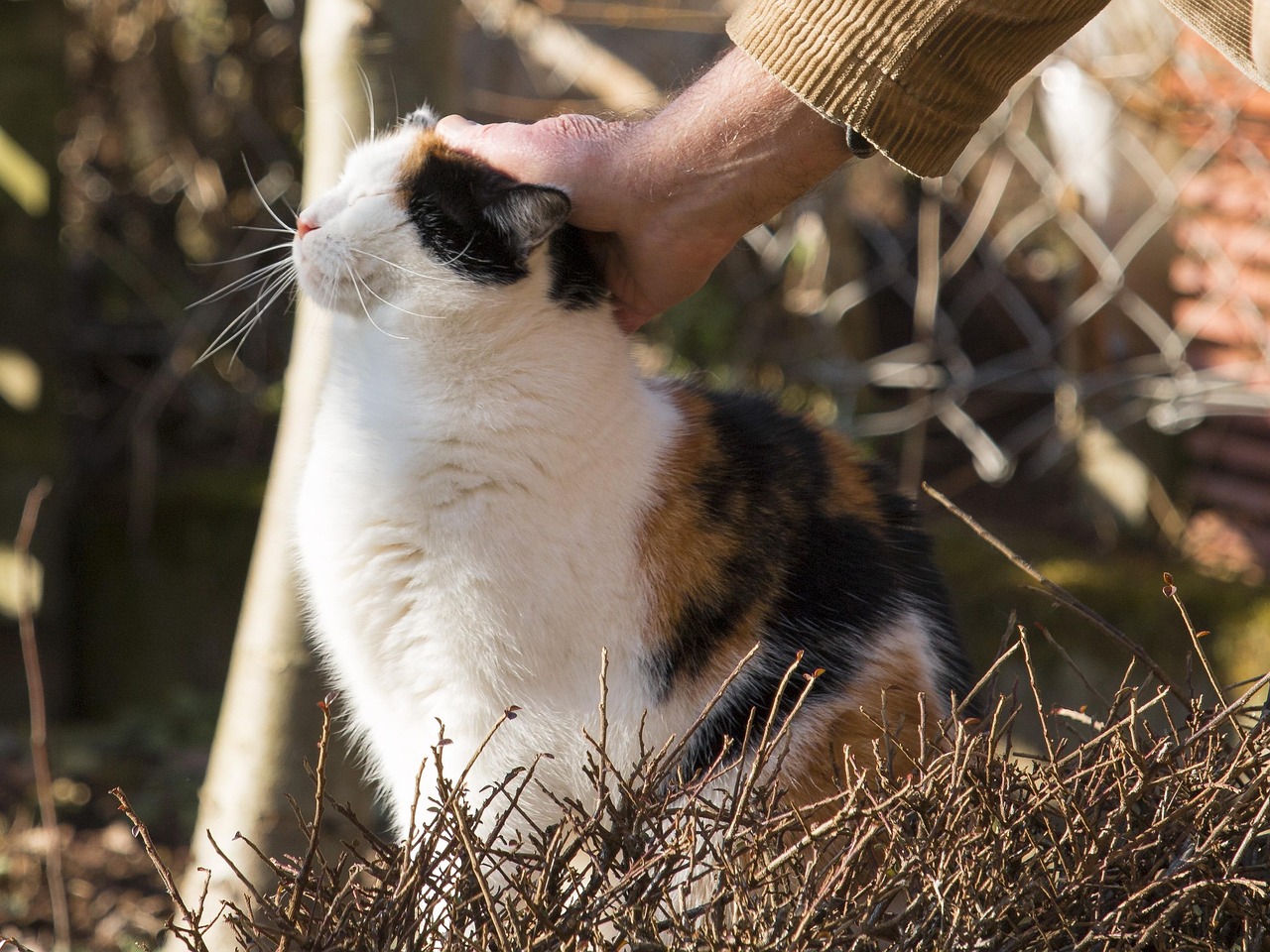
Grooming sessions offer an excellent opportunity to bond with your cat. Make it a positive experience by:
- Speaking in a soothing voice.
- Offering treats as rewards.
- Being gentle and patient.
By associating grooming with positive reinforcement, your cat will become more comfortable with the process.
Early Detection of Health Issues
While grooming, you can conduct routine health checks. Look for:
- Changes in coat texture (dryness, oiliness).
- Skin abnormalities (redness, swelling, lesions).
- Parasites (fleas, ticks).
- Lumps or bumps under the skin.
Early detection of these issues can lead to quicker diagnosis and treatment by your veterinarian.
Essential Grooming Tools for Cats
Brushes and Combs
Different brushes and combs serve different purposes. Here’s a breakdown:
- Slicker Brush: Ideal for removing loose fur and preventing mats, especially in long-haired breeds. Look for a slicker brush with coated tips to prevent scratching your cat’s skin.
- Rubber Brush/Grooming Glove: Great for short-haired cats; it gently massages the skin while removing loose hair.
- Metal Comb: Effective for detecting and removing tangles and mats in medium to long-haired cats. Choose a comb with rounded tips.
- Undercoat Rake: Designed to remove the dead undercoat, which is especially useful during shedding season.
Practical Example: For a Persian cat, use a slicker brush daily to prevent matting, followed by a metal comb to ensure no tangles are missed.
Nail Clippers
Keeping your cat’s nails trimmed is essential for their comfort and to prevent furniture damage. There are two main types:
- Scissor-type Clippers: Offer precise control but can be intimidating for some cats.
- Guillotine Clippers: Faster but require caution to avoid cutting the quick (the pink part of the nail containing blood vessels and nerves).
Important Tip: Always have styptic powder on hand to stop bleeding if you accidentally cut the quick.
Shampoos and Wipes
While cats are self-groomers, occasional baths are necessary, especially if they get dirty or greasy. Use:
- Cat-Specific Shampoo: Avoid human shampoos, as they can be too harsh for a cat’s skin. Look for hypoallergenic or oatmeal-based shampoos.
- Waterless Shampoo: A good option for cats who dislike water; it comes in foam or spray form.
- Grooming Wipes: Useful for quick clean-ups and wiping paws after outdoor adventures.
Practical Example: If your cat has a mild skin allergy, use a hypoallergenic shampoo recommended by your vet.
Step-by-Step Guide to Grooming Your Cat at Home
Brushing Techniques
Follow these steps for effective brushing:
- Start with a gentle brushing session, focusing on areas your cat enjoys being touched, such as the head and back.
- Use short, gentle strokes, moving in the direction of hair growth.
- For longer-haired cats, lift the fur in sections to brush underneath.
- Pay attention to areas prone to matting, such as behind the ears, under the legs, and around the tail.
- End the session with a treat and praise.
Frequency: Short-haired cats should be brushed 1-2 times a week, while long-haired cats may require daily brushing.
Nail Trimming Techniques
Trim your cat’s nails every 2-3 weeks using these steps:
- Gently hold your cat’s paw and extend one claw at a time.
- Identify the quick (the pink part of the nail).
- Clip only the clear tip of the nail, being careful to avoid the quick.
- If you accidentally cut the quick, apply styptic powder to stop the bleeding.
- Reward your cat with a treat after each paw is trimmed.
Important Tip: If your cat is resistant, start by trimming just a few nails each session.
Bathing Your Cat (If Necessary)
Most cats don’t require frequent baths, but here’s how to do it if needed:
- Brush your cat thoroughly to remove any loose fur and mats.
- Prepare a lukewarm bath.
- Gently wet your cat’s fur, avoiding the head and ears.
- Apply cat-specific shampoo and lather gently.
- Rinse thoroughly until all shampoo is removed.
- Wrap your cat in a towel and gently dry them.
- Use a low-heat hairdryer if your cat tolerates it, keeping it at a safe distance.
Alternatives: For cats who dislike water, consider using waterless shampoo or grooming wipes.
Addressing Common Grooming Challenges
Dealing with Matted Fur
Matted fur can be painful for cats. Here’s how to handle it:
- Prevention is Key: Regular brushing prevents matting.
- Detangling Sprays: Use a detangling spray to loosen minor mats.
- Mat Splitter: A mat splitter can help carefully break up larger mats.
- Professional Groomer: For severe matting, consult a professional groomer to avoid injuring your cat.
Handling Aggressive or Fearful Cats
Some cats may resist grooming. Try these techniques:
- Start Young: Introduce grooming early in their lives.
- Positive Reinforcement: Use treats and praise.
- Short Sessions: Keep grooming sessions short and frequent.
- Desensitization: Gradually introduce grooming tools, allowing your cat to sniff and investigate them.
- Calming Aids: Consider using calming sprays or treats.
- Consult a Vet: If your cat’s aggression is severe, consult your veterinarian for advice.
Diet and Grooming
Diet plays a vital role in your cat’s coat health. Ensure your cat is eating a high-quality diet that contains:
- Omega-3 and Omega-6 Fatty Acids: These help maintain a healthy, shiny coat and reduce shedding.
- Protein: Essential for hair growth and repair.
- Vitamins and Minerals: Contribute to overall health and coat condition.
Conclusion
Regular home grooming is an essential part of cat ownership, offering numerous health benefits and strengthening the bond with your feline companion. By using the right tools, employing gentle techniques, and addressing common challenges with patience and understanding, you can create a positive grooming experience for both you and your cat. Remember, consistency is key – incorporating grooming into your cat’s routine will ensure a happy, healthy, and well-groomed kitty.