

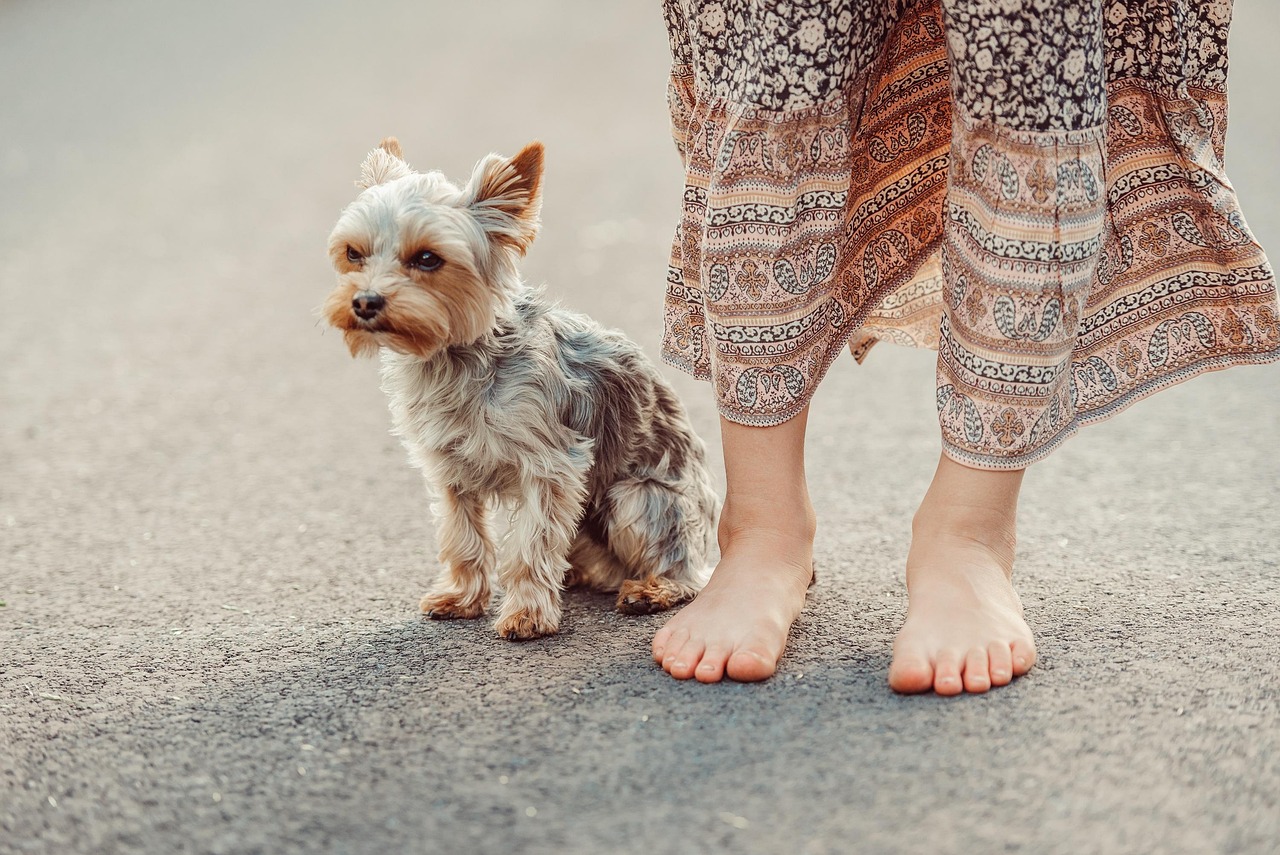
Dogs bring so much joy to our lives, and a big part of that joy comes from their goofy, unpredictable antics. From chasing their tails to getting “zoomies” at the most unexpected moments, their funny activities keep us entertained and remind us to not take life too seriously. This blog post explores some of the most hilarious dog behaviors, offering insights into why they happen and how you can encourage (and safely manage!) these moments of canine comedy.
The Case of the Zoomies: Frantic Random Activity Periods (FRAPs)
What are Zoomies?
Zoomies, or FRAPs as some veterinarians call them, are bursts of frenetic energy where your dog runs around at top speed, often with a wild look in their eyes. They might spin, jump, or weave through furniture, leaving a trail of happy chaos in their wake.
- Characteristics of Zoomies:
Sudden and intense bursts of energy.
Circling or spinning behavior.
Exaggerated movements and play bows.
Often occur after baths or during specific times of the day.
Why Do Dogs Get Zoomies?
The reasons behind zoomies are varied, but here are some common explanations:
- Pent-Up Energy: The most common reason is simply the release of pent-up energy. If your dog has been cooped up inside for a while or hasn’t had enough physical activity, they might release this energy in a burst of zoomies.
- Excitement: Zoomies can also be triggered by excitement, such as seeing their favorite person come home, receiving a new toy, or anticipating a walk.
- Relief: Dogs sometimes get zoomies after stressful situations, like a bath or a vet visit. It’s a way for them to release the tension and shake off the stress.
- Instinct: In some cases, zoomies might be linked to their natural instincts. It can be a way for them to practice their hunting skills, like chasing prey.
Safe Zoomie Management
While zoomies are generally harmless and even beneficial, it’s important to ensure your dog’s safety during these episodes:
- Provide a Safe Environment: Make sure the area is clear of obstacles that could cause injury. Remove fragile items, sharp objects, and anything else your dog might run into.
- Supervise: Keep a close eye on your dog during their zoomies to ensure they don’t get into trouble or hurt themselves.
- Redirect if Necessary: If your dog’s zoomies are becoming destructive or dangerous, try to redirect their energy with a toy or a command like “sit” or “stay” (if they’re capable of listening!).
- Outdoor Zoomies: If possible, encourage zoomies in a safe, enclosed outdoor area where they can run freely.
The Hilarious Head Tilt
Understanding the Canine Head Tilt
One of the most endearing dog behaviors is the head tilt. When you say something that piques their interest, they often cock their head to one side, giving you a look of adorable confusion.
- Defining Head Tilting: The act of a dog rotating their head to one side, often in response to a sound or spoken word.
- The “Aww” Factor: One of the most charming and endearing behaviors a dog can exhibit.
Why Do Dogs Tilt Their Heads?
Several theories explain why dogs tilt their heads:
- Improved Hearing: Some experts believe that dogs tilt their heads to better pinpoint the source of a sound. By tilting their head, they can adjust the position of their ears to more accurately determine where the sound is coming from.
- Enhanced Vision: Another theory suggests that dogs tilt their heads to improve their vision. Their muzzles can partially block their view, so tilting their head might help them get a clearer look at your face and read your expressions.
- Comprehension: Dogs might also tilt their heads because they’re trying to understand what you’re saying. They might be picking up on familiar words or tones of voice, and the head tilt is a sign that they’re actively listening and processing the information.
- Social Cue: Over time, dogs may have learned that head tilting elicits a positive reaction from humans, so they might do it intentionally to get your attention or affection.
When to be Concerned
While head tilting is usually harmless, it’s important to be aware of potential underlying health issues. Excessive or persistent head tilting, especially if accompanied by other symptoms like dizziness, loss of balance, or eye twitching, could indicate a medical problem, such as an ear infection, neurological disorder, or vestibular disease. In such cases, it’s essential to consult a veterinarian.
Tail-Chasing Tomfoolery
The Pursuit of the Elusive Tail
Chasing their tails is another funny dog activity that often leaves us scratching our heads. While it’s usually harmless, it can sometimes be a sign of an underlying issue.
- Defining Tail-Chasing: The act of a dog running in circles in an attempt to catch its tail.
- A Source of Amusement: An amusing spectacle for pet owners.
Reasons for Tail-Chasing
- Boredom or Lack of Exercise: Just like with zoomies, tail-chasing can be a way for dogs to release pent-up energy and alleviate boredom.
- Attention-Seeking: If your dog realizes that tail-chasing gets your attention, they might do it intentionally to elicit a reaction from you.
- Fleas or Skin Irritation: Sometimes, tail-chasing can be a sign of discomfort, such as fleas, skin allergies, or an irritated anal gland.
- Compulsive Behavior: In some cases, tail-chasing can become a compulsive behavior, similar to obsessive-compulsive disorder in humans.
- Medical Conditions: Rarely, tail-chasing can be a symptom of certain medical conditions, such as neurological problems or brain tumors.
Addressing Tail-Chasing
- Increase Exercise and Mental Stimulation: Provide your dog with plenty of physical activity and mental stimulation to prevent boredom.
- Check for Medical Issues: If your dog is tail-chasing excessively, consult a veterinarian to rule out any underlying medical conditions.
- Ignore Attention-Seeking Behavior: If your dog is tail-chasing for attention, try to ignore the behavior and only give them attention when they’re not chasing their tail.
- Consult a Behaviorist: If tail-chasing becomes a compulsive behavior, consider consulting a professional dog behaviorist for guidance and treatment options.
The Art of the Food Thief
Counter Surfing and Opportunistic Snacking
Many dogs have a knack for stealing food, whether it’s snatching a snack off the counter or raiding the trash can. While it’s not a desirable behavior, it can certainly be amusing (from a distance!).
- Defining Food Theft: The act of a dog stealing food that is not meant for them.
- A Common Complaint: One of the more frustrating behaviors reported by dog owners.
Why Do Dogs Steal Food?
- Instinct: Dogs are scavengers by nature, so they’re naturally drawn to food.
- Opportunity: If food is easily accessible, dogs are more likely to try to steal it.
- Taste: Dogs have a strong sense of smell and taste, so they’re attracted to foods that smell appealing to them.
- Attention: Sometimes, dogs steal food to get attention, even if it’s negative attention.
Preventing Food Theft
- Keep Food Out of Reach: Store food in airtight containers and keep it out of reach of your dog. Don’t leave food unattended on counters or tables.
- Train “Leave It” Command: Teach your dog the “leave it” command to discourage them from picking up or eating things they shouldn’t.
- Provide Adequate Nutrition: Make sure your dog is getting enough food and nutrients to prevent them from feeling hungry and tempted to steal food.
- Supervise During Meal Prep: Keep a close eye on your dog while you’re preparing food and redirect their attention if they start to get too close to the counter.
- Secure Trash Cans: Use trash cans with lids that your dog can’t easily open.
Conclusion
Funny dog activities, while sometimes perplexing, are a big part of what makes them so lovable. Understanding the reasons behind these behaviors can help you manage them effectively and ensure your dog’s safety and well-being. Whether it’s zoomies, head tilts, tail-chasing, or food theft, embrace the quirks and enjoy the laughter that these furry comedians bring into your life. By providing a safe environment, adequate exercise, mental stimulation, and consistent training, you can help your dog channel their energy and express their unique personality in a positive and entertaining way.