

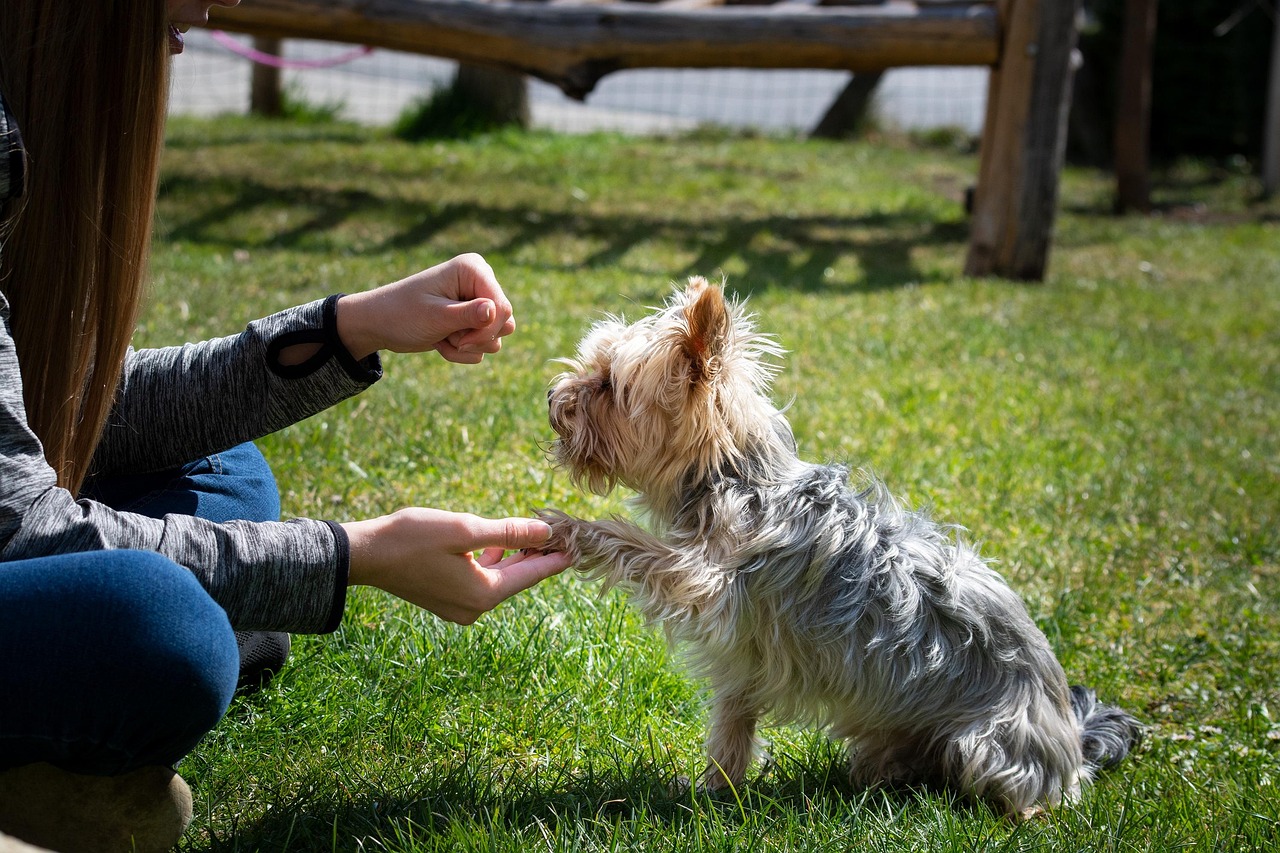
Juggling multiple dogs can feel like a circus act, especially when training is involved! But fear not, ambitious dog parent! Training multiple dogs simultaneously is achievable and can lead to a harmonious and well-behaved pack. This comprehensive guide will equip you with the knowledge and practical strategies to successfully train your canine companions, fostering a stronger bond and a more peaceful household.
Setting the Stage: Foundation is Key
Training multiple dogs requires careful planning and a solid foundation. Rushing into group sessions without individual training is a recipe for chaos.
Individual Training: The Cornerstone
Before attempting group training, each dog must have a solid understanding of basic commands. This includes:
- Sit: Teaching each dog to sit reliably on command is crucial for controlling the group.
Example: Use a treat to lure each dog into a sitting position, saying “Sit.” Reward immediately. Gradually fade the lure.
- Stay: A reliable stay command is essential for managing the pack and preventing unwanted behaviors.
Example: Start with short stays, gradually increasing the duration as each dog improves. Use a release word like “Okay” to end the stay.
- Come: Recall is perhaps the most vital command, especially when managing multiple dogs off-leash in safe areas.
Example: Start with short distances and positive reinforcement. Use a high-value treat or toy to encourage recall.
- Leave It: This command can prevent dogs from scavenging or engaging in undesirable activities.
Example: Place a low-value treat on the floor and cover it with your hand. When the dog shows interest, say “Leave it.” Reward them when they back away.
Assessing Individual Personalities and Learning Styles
Each dog is an individual with unique personality traits and learning styles. Understanding these differences is crucial for effective training.
- Identify the Leader: Observe your dogs’ interactions to determine which one is the dominant personality. This dog may require more focused attention and consistent training.
- Consider Breed-Specific Traits: Different breeds have different predispositions and energy levels. Tailor your training approach to suit each breed’s natural tendencies.
Example: Herding breeds may require more mental stimulation, while scent hounds may need extra attention to recall training due to their strong sense of smell.
- Recognize Learning Styles: Some dogs are highly motivated by food, while others respond better to praise or toys. Experiment to find what works best for each dog.
Group Training: Harmonizing the Pack
Once each dog has mastered basic commands individually, you can start incorporating group training sessions. These sessions should be short, positive, and focus on reinforcing learned behaviors in a group setting.
Structured Group Sessions
Consistent, structured group sessions are essential for maintaining control and preventing chaos.
- Designated Training Area: Choose a quiet, distraction-free area for group training. This helps minimize distractions and allows the dogs to focus.
- Short and Sweet: Keep sessions brief (5-10 minutes) to prevent boredom and maintain the dogs’ attention.
- Positive Reinforcement: Use positive reinforcement techniques, such as treats, praise, and toys, to reward desired behaviors.
- Rotating Focus: Give each dog individual attention during the session, rotating through the group to practice commands.
Example: Have one dog sit, stay, or come while the others remain on a leash or in a “place” command.
Managing Distractions and Competition
Group settings can be distracting and competitive, especially when treats are involved. Implement strategies to manage these challenges effectively.
- Staggered Treats: Give treats to each dog individually and separately to minimize competition and potential conflicts.
- Leash Management: Keep the dogs on leashes initially to maintain control and prevent them from interfering with each other’s training.
- Body Language Awareness: Pay close attention to the dogs’ body language. Recognize signs of stress, anxiety, or aggression and intervene immediately.
- Example: If a dog is showing signs of stress, remove them from the group session for a short break and try again later.
Addressing Challenges: Troubleshooting Common Issues
Training multiple dogs is not without its challenges. Being prepared to address common issues is essential for success.
Resource Guarding
Resource guarding occurs when a dog becomes possessive of food, toys, or space and tries to prevent others from accessing them.
- Prevention is Key: Introduce the dogs to each other gradually and monitor their interactions closely, especially during feeding time.
- Separate Feeding: Feed each dog in a separate location or crate to prevent resource guarding issues.
- Desensitization and Counter-Conditioning: If resource guarding develops, work with a qualified dog trainer or behaviorist to address the issue using desensitization and counter-conditioning techniques.
Example: Gradually expose the dog to the presence of other dogs while they are eating, while simultaneously providing positive reinforcement (treats, praise) for calm behavior.
Sibling Rivalry
Sibling rivalry can occur between dogs who grew up together, as they compete for attention, resources, and dominance.
- Equal Attention: Ensure that each dog receives equal attention, affection, and training opportunities.
- Individual Time: Spend individual time with each dog to strengthen your bond and address their unique needs.
- Positive Reinforcement for Calm Behavior: Reward dogs for calm and peaceful interactions with each other.
Example: If the dogs are lying down calmly next to each other, give them both treats and praise.
Reactivity on Leash
Reactivity on leash can be amplified in a group of dogs, as they may feed off each other’s anxiety and excitement.
- Individual Reactivity Training: Address reactivity issues individually before attempting to walk the dogs together.
- Controlled Walks: Start with short, controlled walks in quiet areas with minimal distractions.
- Distance Management: Maintain sufficient distance from triggers to prevent the dogs from reacting.
- Distraction Techniques: Use high-value treats or toys to distract the dogs when they encounter a trigger.
- Example: If your dogs are reactive to other dogs, practice walking them at a distance where they can see other dogs but are not close enough to react. Reward them for remaining calm and focused on you.
Advanced Training: Taking it to the Next Level
Once your dogs have mastered basic obedience in a group setting, you can explore advanced training activities to further challenge them and strengthen your bond.
Agility Training
Agility training is a fun and engaging activity that can improve your dogs’ physical fitness, mental stimulation, and teamwork skills.
- Individual Skill Development: Start by teaching each dog the individual agility obstacles (jumps, tunnels, weave poles) separately.
- Group Agility Courses: Gradually introduce the dogs to navigating the agility course together, under your guidance.
- Focus on Communication: Agility training requires clear communication and coordination between you and your dogs.
Trick Training
Trick training is a great way to keep your dogs mentally stimulated and entertained.
- Start Simple: Begin with easy tricks, such as “shake,” “roll over,” or “play dead.”
- Positive Reinforcement: Use positive reinforcement to reward your dogs for performing the tricks correctly.
- Chain Behaviors: Gradually chain together multiple tricks to create complex routines.
Canine Good Citizen (CGC) Training
The Canine Good Citizen (CGC) program is a nationally recognized certification that demonstrates your dog’s good manners and obedience skills.
- Practice CGC Skills in a Group Setting: Incorporate CGC exercises into your group training sessions to prepare your dogs for the CGC test.
- Focus on Socialization and Public Etiquette: CGC training emphasizes socialization and proper behavior in public settings.
Conclusion
Training multiple dogs requires patience, consistency, and a deep understanding of canine behavior. By focusing on individual training, structured group sessions, and addressing challenges proactively, you can create a harmonious and well-behaved pack. Remember to celebrate your successes, adapt your approach as needed, and enjoy the journey of training your canine companions together! The rewards of a well-trained pack – increased harmony, deeper bonds, and enhanced enjoyment of your dogs’ company – are well worth the effort.