

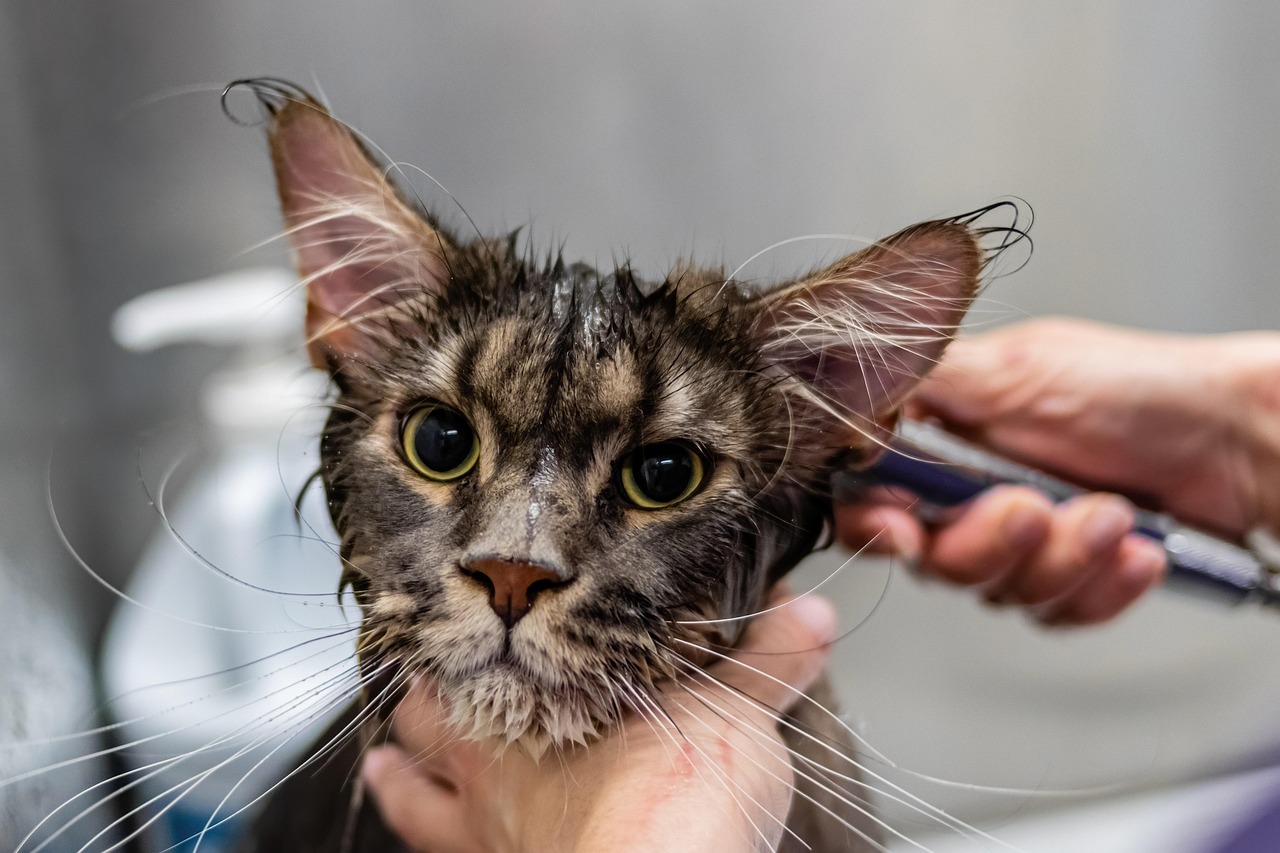
Is your furry friend constantly scratching, licking, or suffering from digestive issues? It might be a sign of food sensitivities or allergies. Hypoallergenic pet food could be the answer, offering a specialized diet designed to minimize allergic reactions. This guide will delve into the world of hypoallergenic pet food, exploring its ingredients, benefits, and how to choose the right option for your beloved companion.
Understanding Food Allergies in Pets
What are Food Allergies and Sensitivities?
Food allergies and sensitivities in pets occur when their immune system mistakenly identifies a food ingredient as a threat. This triggers an immune response, leading to various uncomfortable symptoms. While the terms are often used interchangeably, there’s a subtle difference:
- Food allergies: Involve an immune system response. Even small amounts of the offending ingredient can trigger a reaction.
- Food sensitivities (or intolerances): Don’t involve the immune system. They are typically caused by the body’s inability to properly digest certain ingredients. The reactions are often dose-dependent.
Common Allergens in Pet Food
Certain ingredients are more likely to cause allergic reactions in pets. These include:
- Beef: A frequent culprit in both dog and cat food allergies.
- Dairy: Can cause digestive upset and skin issues.
- Chicken: While a common protein source, it’s also a common allergen.
- Wheat: A grain often used as a filler in pet food.
- Corn: Another commonly used filler ingredient.
- Soy: A plant-based protein source.
- Eggs: Another potential allergen.
Symptoms of Food Allergies
Identifying a food allergy can be challenging as symptoms often overlap with other conditions. Common signs include:
- Skin problems: Excessive scratching, itching, redness, hair loss, hot spots.
- Digestive issues: Vomiting, diarrhea, gas, changes in appetite.
- Ear infections: Chronic or recurrent ear infections.
- Respiratory issues: Coughing, sneezing, wheezing (less common).
Actionable Takeaway: If your pet exhibits any of these symptoms, consult with your veterinarian to rule out other potential causes and discuss allergy testing or dietary changes.
What is Hypoallergenic Pet Food?
Definition and Purpose
Hypoallergenic pet food is specifically formulated to minimize the risk of allergic reactions. It achieves this by:
- Using limited ingredients: Reducing the number of potential allergens.
- Employing novel protein sources: Ingredients like duck, venison, salmon, or insect protein that your pet likely hasn’t been exposed to before.
- Hydrolyzing proteins: Breaking down proteins into smaller pieces that are less likely to trigger an immune response.
The goal is to provide a nutritionally complete and balanced diet that supports your pet’s health without triggering allergic reactions.
Types of Hypoallergenic Pet Food
Hypoallergenic pet foods come in several varieties:
- Limited Ingredient Diets (LID): Contain a small number of carefully selected ingredients, reducing the likelihood of exposure to common allergens. Example: A salmon and potato formula for dogs.
- Novel Protein Diets: Feature a protein source that is uncommon in typical pet foods. This reduces the risk of triggering an existing allergy. Example: A kangaroo and oat formula for cats.
- Hydrolyzed Protein Diets: The proteins are broken down into smaller amino acid chains through a process called hydrolysis, making them less recognizable to the immune system. Example: Purina Pro Plan Veterinary Diets HA Hydrolyzed Canine Formula.
- Grain-Free Diets: While not always hypoallergenic, grain-free diets can be beneficial for pets with sensitivities to wheat, corn, or soy. However, it’s crucial to ensure the diet is balanced and nutritious.
Benefits of Hypoallergenic Food
Switching to hypoallergenic pet food can offer several benefits for pets with allergies:
- Reduced allergy symptoms: Less itching, scratching, vomiting, and diarrhea.
- Improved skin and coat health: A healthier, shinier coat and reduced skin inflammation.
- Better digestion: Fewer digestive upsets and improved nutrient absorption.
- Increased energy levels: A more comfortable pet is likely to be more active and playful.
- Prevention of secondary infections: Reduced scratching minimizes the risk of skin infections.
Actionable Takeaway: Consider hypoallergenic food if your pet shows signs of food allergies. Discuss the options with your vet to determine the best approach.
Choosing the Right Hypoallergenic Pet Food
Consulting with Your Veterinarian
Before making any dietary changes, it’s crucial to consult with your veterinarian. They can help you:
- Diagnose the allergy: Rule out other potential causes of your pet’s symptoms.
- Identify potential allergens: Through allergy testing or an elimination diet.
- Recommend the most appropriate diet: Based on your pet’s specific needs and health condition.
Reading the Label
Carefully examine the ingredient list on any hypoallergenic pet food you’re considering. Look for:
- Limited and clearly defined ingredients: Avoid foods with long lists of unfamiliar additives.
- A novel protein source: Make sure it’s one your pet hasn’t been exposed to before.
- No common allergens: Ensure the food is free from beef, dairy, chicken, wheat, corn, and soy, unless testing has proven these are not the source of your pet’s allergy.
- AAFCO statement: Confirms that the food meets the nutritional standards established by the Association of American Feed Control Officials.
Example: A good label might read: “Ingredients: Salmon, Potato, Pea Protein, Sunflower Oil, Flaxseed, Vitamins and Minerals.”
Introducing the New Food Gradually
To avoid digestive upset, gradually transition your pet to the new food over a period of 7-10 days.
Trial Period
Once your pet is fully transitioned to the hypoallergenic food, allow several weeks (typically 8-12 weeks) to assess its effectiveness. Monitor your pet closely for any improvement in their symptoms. Keep a detailed record of their progress to share with your veterinarian.
Actionable Takeaway: Carefully read food labels and transition gradually. Monitor your pet’s reaction to the new food, and keep your vet informed. Consider a food elimination trial guided by your vet to pinpoint specific allergens.
Specific Ingredients and What to Look For
Novel Proteins: Expanding Your Options
When considering novel protein sources, think beyond the typical chicken, beef, and lamb. Here are some examples:
- Duck: A lean and easily digestible protein source.
- Venison: A good option for pets with sensitivities to common proteins.
- Salmon: Rich in omega-3 fatty acids, which can benefit skin and coat health.
- Kangaroo: Increasingly popular and a great source of protein.
- Rabbit: Lean, digestible, and less likely to cause allergic reactions.
- Insect Protein (e.g., Black Soldier Fly Larvae): A sustainable and hypoallergenic protein source. Studies have shown it can be well-tolerated by dogs and cats with food sensitivities.
Hydrolyzed Proteins: The Science Behind the Solution
Hydrolyzed protein diets involve breaking down the protein molecules into small pieces (peptides) that are too small for the immune system to recognize and react to.
- How it Works: The process of hydrolysis uses enzymes or chemicals to break down the protein chains.
- Benefits: Minimizes the risk of allergic reactions, even in pets with severe allergies.
- Important Note: Hydrolyzed protein diets are often recommended for pets with confirmed food allergies that haven’t responded to other hypoallergenic diets.
Carbohydrate Sources: Choosing Wisely
While the focus is often on protein, the carbohydrate source is also important. Opt for easily digestible options like:
- Potato: A common carbohydrate source in hypoallergenic diets.
- Sweet Potato: A nutritious and palatable option.
- Peas: A good source of fiber and carbohydrates.
- Tapioca: A highly digestible starch.
- Oats: A good grain source for many pets, but not suitable for pets with grain allergies.
Actionable Takeaway: Consider novel or hydrolyzed proteins based on your vet’s advice and the severity of your pet’s allergies. Pay attention to carbohydrate sources as well to ensure good digestibility.
Conclusion
Choosing the right hypoallergenic pet food can significantly improve your pet’s quality of life by alleviating allergy symptoms and promoting overall health. By understanding the principles of hypoallergenic diets, working closely with your veterinarian, and carefully selecting ingredients, you can find a food that meets your pet’s specific needs and helps them thrive. Remember, patience and consistency are key to successfully managing food allergies in your furry friend.