

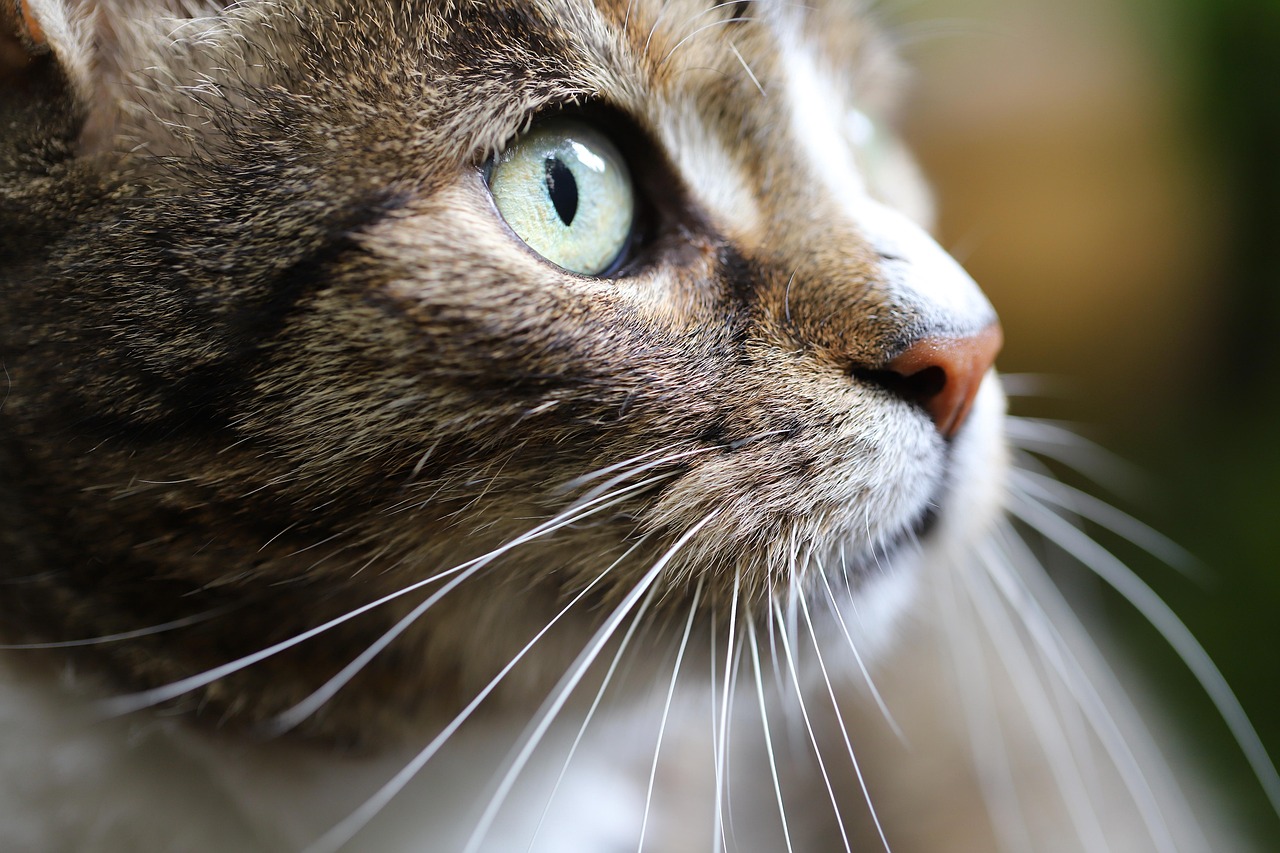
Cats, with their independent spirits and playful nature, thrive on interaction and stimulation. A bored cat can quickly become a destructive cat, exhibiting behaviors like scratching furniture, excessive meowing, or even aggression. But keeping your feline friend entertained doesn’t have to break the bank or require hours of your time. With a little creativity and understanding of your cat’s natural instincts, you can create a stimulating environment that keeps them happy, healthy, and engaged. This guide explores some fun and inventive ways to engage your cat’s playful side, ensuring a purrfectly content companion.
Unleash the Hunter: Engaging Play Ideas
Cats are natural hunters, and tapping into this instinct is key to satisfying their need for play. Mimicking the hunting sequence – stalk, chase, pounce, catch, and kill – is crucial for a fulfilling playtime experience.
Feather Wands and Teaser Toys
- Benefits: Feather wands and other teaser toys, like those with ribbons or sparkly bits, are excellent for simulating prey. Their erratic movements and varied textures grab a cat’s attention instantly.
- Practical Example: Instead of waving the wand directly in front of your cat, try dragging it along the floor, hiding it behind furniture, and making it “fly” through the air. Vary the speed and movements to keep your cat guessing. Remember to let your cat “catch” the toy occasionally to complete the hunting sequence.
- Actionable Takeaway: Keep a variety of teaser toys on hand and rotate them regularly to maintain your cat’s interest.
Laser Pointers: A Controversial Choice
- Considerations: Laser pointers can provide great exercise and engage a cat’s chase instinct. However, they can also be frustrating because there’s no physical reward.
- Mitigation: If you use a laser pointer, always end the play session by pointing the laser onto a tangible toy or treat that your cat can “catch.” This helps prevent frustration and completes the hunting sequence.
- Actionable Takeaway: Use laser pointers sparingly and responsibly, always ending with a physical reward.
Puzzle Feeders: Mental Stimulation
- Why They Work: Puzzle feeders tap into a cat’s problem-solving abilities and natural foraging instincts. These feeders require cats to work for their food, stimulating their minds and slowing down their eating.
- Examples: There are various puzzle feeders available, from simple balls that dispense treats as they are rolled to more complex puzzles that require cats to slide, push, or flip components to access their food.
- Actionable Takeaway: Introduce puzzle feeders gradually and start with easier puzzles before moving on to more challenging ones. This ensures your cat stays engaged and doesn’t get discouraged.
Creating an Enriching Environment
A stimulating environment can significantly reduce boredom and encourage natural behaviors.
Cat Trees and Vertical Space
- Benefits: Cat trees provide vertical space for climbing, scratching, and observing their surroundings. Cats love to be up high, where they feel safe and have a better vantage point.
- Features to Look For: Choose a cat tree that is sturdy, has multiple levels, scratching posts, and hiding places.
- Actionable Takeaway: Place the cat tree near a window so your cat can enjoy watching birds and other outdoor activity.
Window Perches: A Cat’s Television
- Benefits: Window perches offer cats a comfortable spot to bask in the sun and observe the world outside. This can be incredibly enriching and provide hours of entertainment.
- Types: Window perches come in various styles, including suction-cup mounted, hammock-style, and platform perches.
- Actionable Takeaway: Ensure the window perch is securely attached and can support your cat’s weight.
Cardboard Boxes: The Ultimate Cat Toy
- Why Cats Love Them: Cats are drawn to enclosed spaces because they provide a sense of security and comfort. Cardboard boxes offer a perfect hideaway and can also be used for interactive play.
- Creative Ideas: Cut holes in the box to create a “cat house” or connect multiple boxes to create a maze.
- Actionable Takeaway: Recycle old cardboard boxes into cat toys and replace them regularly to keep things interesting.
Interactive Games You Can Play Together
Interactive playtime strengthens the bond between you and your cat and provides essential physical and mental stimulation.
Fetch: Not Just for Dogs
- How to Teach Fetch: Some cats naturally enjoy fetching, while others can be trained with patience and positive reinforcement. Start by tossing a favorite toy a short distance and rewarding your cat when they bring it back.
- Tips: Use a lightweight toy that is easy for your cat to carry and keep the sessions short and positive.
- Actionable Takeaway: Be patient and consistent with your training, and reward your cat with treats and praise.
Hide-and-Seek: Engaging Their Hunting Instincts
- How to Play: Call your cat’s name and then hide in a different room. When your cat finds you, reward them with praise and a treat.
- Variations: Vary the hiding spots to keep your cat engaged and challenge their hunting skills.
- Actionable Takeaway: Make sure your cat can easily find you at first, and gradually increase the difficulty as they become more proficient.
Clicker Training: A Powerful Tool
- Benefits: Clicker training can be used to teach cats a variety of tricks and behaviors, such as sitting, staying, and coming when called.
- How it Works: The clicker sound marks the desired behavior, and is immediately followed by a treat.
- Actionable Takeaway: Start with simple behaviors and gradually increase the complexity as your cat progresses.
Safety Considerations During Play
While playing with your cat is fun and beneficial, it’s crucial to prioritize their safety.
Toy Safety
- Avoid Small Parts: Choose toys that are durable and don’t have small parts that could be swallowed.
- Inspect Toys Regularly: Regularly inspect your cat’s toys for damage and replace them if necessary.
- Supervise Play: Always supervise your cat during playtime, especially with toys that could pose a choking hazard.
Environmental Hazards
- Secure Cords and Wires: Keep electrical cords and wires out of your cat’s reach, as they can be dangerous if chewed on.
- Remove Toxic Plants: Ensure that any houseplants are non-toxic to cats. The ASPCA website has a comprehensive list of toxic and non-toxic plants.
- Be Mindful of Small Objects: Keep small objects, such as rubber bands, paper clips, and tacks, out of your cat’s reach.
Conclusion
Enriching your cat’s life through creative play is not just about entertainment; it’s about fostering their physical and mental well-being. By understanding their natural instincts and providing opportunities for play, exploration, and interaction, you can create a happier, healthier, and more content feline companion. Experiment with different toys, games, and environmental modifications to find what your cat enjoys the most. Remember that even short bursts of playtime can make a big difference in your cat’s overall quality of life. A stimulated cat is a happy cat!