

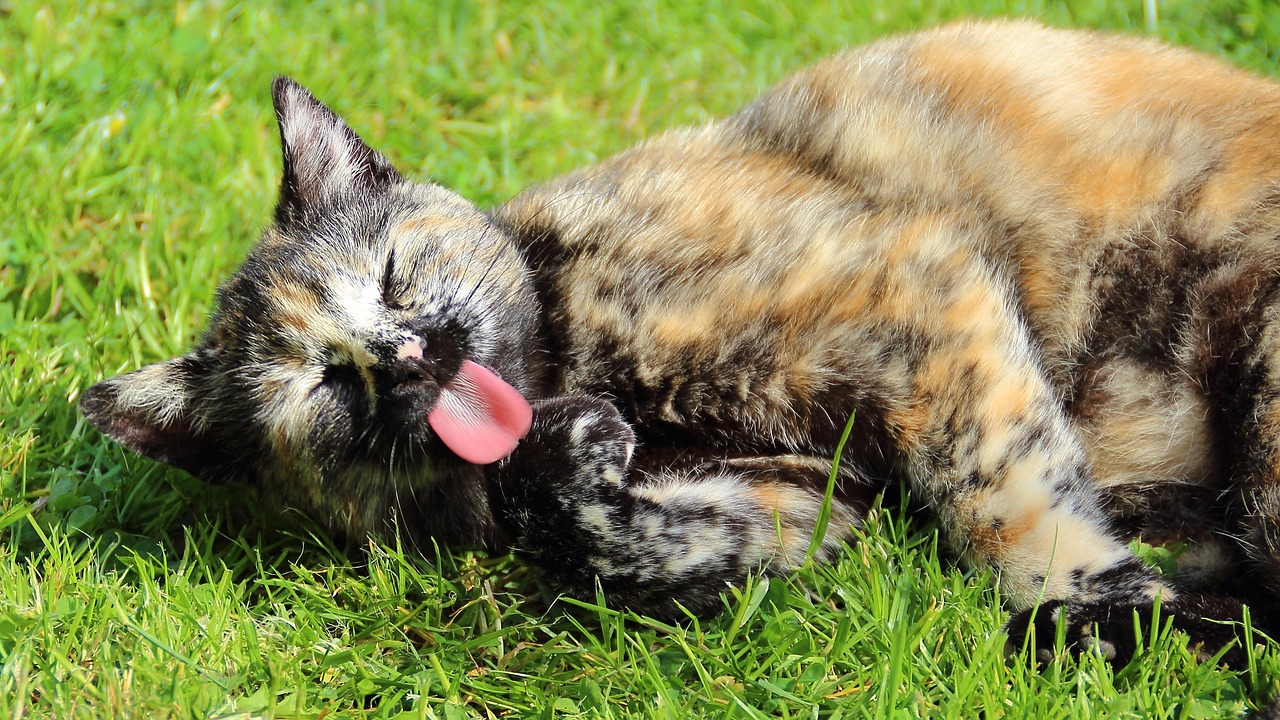
Is your feline friend looking a little less fabulous than usual? Maintaining your cat’s coat and overall hygiene is crucial for their health and happiness. While many cat owners rely on professional groomers, mastering basic home grooming techniques can save you money, strengthen your bond with your cat, and keep them looking their best between salon visits. This guide will provide you with everything you need to know about grooming your cat at home.
Why Home Grooming Matters for Your Cat
Health Benefits of Regular Grooming
Regular grooming isn’t just about aesthetics; it plays a vital role in your cat’s health.
- Reduces Hairballs: By regularly brushing your cat, you remove loose fur before they ingest it, significantly reducing the formation of hairballs. Hairballs can cause digestive issues and discomfort. According to the Cornell Feline Health Center, cats spend up to 50% of their waking hours grooming, ingesting a significant amount of hair.
- Detects Skin Problems Early: Grooming allows you to closely examine your cat’s skin for any signs of irritation, fleas, ticks, lumps, or other abnormalities. Early detection can lead to more effective treatment. For example, a small, unnoticed tick can quickly become a larger problem if left unchecked.
- Stimulates Blood Circulation: Brushing acts as a gentle massage, improving blood circulation and promoting a healthy coat.
- Prevents Matting: Matted fur can be painful and trap moisture, leading to skin infections. Regular grooming, especially for long-haired breeds, prevents matting and keeps your cat comfortable.
- Reduces Allergens in Your Home: Grooming removes loose fur and dander, which are common allergens for people with sensitivities. Keeping your cat well-groomed helps maintain a cleaner and healthier living environment for everyone.
Strengthening the Bond with Your Cat
Grooming can be a positive and bonding experience for both you and your cat. By associating grooming with positive reinforcement, you can create a relaxing and enjoyable ritual.
- Quality Time: Setting aside dedicated grooming time shows your cat that you care and are attentive to their needs.
- Building Trust: A gentle and patient approach to grooming builds trust between you and your cat.
- Positive Reinforcement: Using treats, praise, and gentle petting during grooming sessions can make it a more enjoyable experience for your cat, turning it into a positive interaction they look forward to.
Essential Cat Grooming Tools
Having the right tools makes home grooming easier and more effective. Here’s a list of essential items:
Brushes
Different brush types are suited for different coat types and grooming purposes.
- Slicker Brush: Ideal for removing mats and tangles, especially in long-haired breeds. Be gentle, as the bristles can be sharp. Example: Use a slicker brush for a Persian cat to gently detangle knots behind its ears.
- Deshedding Brush: Designed to remove loose undercoat, reducing shedding. Examples include the Furminator or similar brands. Use these brushes sparingly as overuse can irritate the skin.
- Rubber Brush/Grooming Mitt: Gentle and effective for short-haired cats, removing loose fur and dander. A grooming mitt can be especially helpful for cats who are sensitive to brushes.
- Metal Comb: Useful for detangling and fluffing up the fur. Choose one with rounded tips to prevent scratching. Example: A metal comb is useful for making a fluffy cat tail more prominent.
Nail Clippers
Keeping your cat’s nails trimmed is essential for their comfort and safety.
- Scissor-Type Clippers: Provide precise trimming but require a steady hand.
- Guillotine-Type Clippers: Simpler to use, but it’s harder to see exactly how much nail you’re cutting.
- Styptic Powder: Essential for stopping bleeding if you accidentally cut the quick.
Bathing Supplies
While cats are generally self-cleaning, occasional baths are necessary.
- Cat Shampoo: Use a shampoo specifically formulated for cats. Human shampoo can be too harsh.
- Towels: Soft, absorbent towels for drying.
- Washcloth: For gently cleaning the face and ears.
Other Useful Items
- Treats: To reward your cat during and after grooming sessions.
- Soft Cloth: For wiping around the eyes and ears.
- Dental Care Products: Cat-specific toothbrush and toothpaste.
Step-by-Step Guide to Cat Grooming at Home
Brushing Your Cat
Regular brushing is the foundation of home grooming.
- Frequency: Brush short-haired cats 1-2 times a week and long-haired cats daily.
- Technique: Start by gently petting your cat to relax them. Use a brush appropriate for their coat type. Brush in the direction of the fur growth. Pay attention to areas prone to matting, such as behind the ears, under the legs, and around the tail.
- Dealing with Mats: If you encounter mats, gently try to tease them apart with your fingers or a wide-toothed comb. If the mat is too large or tight, carefully cut it out with blunt-nosed scissors, being extremely careful not to cut the skin. Consult a professional groomer if you are uncomfortable doing this yourself.
- Positive Reinforcement: Reward your cat with treats and praise throughout the brushing session.
Trimming Your Cat’s Nails
Regular nail trimming prevents overgrowth and damage to furniture.
- Frequency: Trim nails every 2-3 weeks, or as needed.
- Technique: Gently hold your cat’s paw and extend the claw. Identify the quick (the pink part of the nail containing blood vessels and nerves). Cut only the tip of the nail, avoiding the quick. If you accidentally cut the quick, apply styptic powder to stop the bleeding.
- Getting Your Cat Used to the Process: Introduce nail clipping slowly. Start by just handling your cat’s paws and rewarding them. Gradually introduce the clippers, letting them sniff and investigate them. Only attempt to trim a few nails at a time until your cat is comfortable.
Bathing Your Cat (When Necessary)
Bathing isn’t usually necessary, but it can be helpful if your cat gets into something dirty or has oily fur.
- Preparation: Brush your cat thoroughly to remove loose fur and mats before bathing. Gather all your supplies (shampoo, towels, washcloth) and have them within reach. Fill a sink or tub with lukewarm water.
- Bathing Technique: Gently wet your cat’s fur, avoiding the face and ears. Apply cat shampoo and lather gently. Rinse thoroughly until all shampoo is removed. Use a washcloth to gently clean the face.
- Drying: Wrap your cat in a towel and gently pat them dry. Avoid using a hairdryer unless your cat is comfortable with it, as the noise can be frightening. Keep your cat in a warm place until they are completely dry.
Cleaning Ears and Eyes
Regular cleaning helps prevent infections.
- Ears: Use a cotton ball or soft cloth dampened with ear cleaning solution (available at pet stores). Gently wipe the outer ear, avoiding the ear canal. Never use cotton swabs, as they can push debris further into the ear.
- Eyes: Gently wipe around the eyes with a soft, damp cloth to remove any discharge. Use a separate cloth for each eye to prevent the spread of infection.
Dealing with Difficult Cats During Grooming
Some cats are more resistant to grooming than others. Here are some tips for making the process easier:
Gradual Introduction
- Start Slow: Introduce grooming tools and procedures gradually. Let your cat sniff and investigate the tools.
- Short Sessions: Keep grooming sessions short and positive. Gradually increase the duration as your cat becomes more comfortable.
Positive Reinforcement
- Treats and Praise: Reward your cat with treats, praise, and petting during and after grooming sessions.
- Favorite Activities: Groom your cat after they have engaged in a favorite activity, such as playing with a toy, when they are more relaxed.
Restraint Techniques
- Towel Wrap: If your cat is particularly resistant, wrap them in a towel to limit their movement.
- Another Person: Enlist the help of another person to hold your cat while you groom.
When to Seek Professional Help
- Severe Matting: If your cat has severe matting that you are unable to remove safely, consult a professional groomer.
- Aggressive Behavior: If your cat becomes aggressive during grooming, it is best to seek professional help. A groomer is experienced in handling difficult cats and can groom them safely and effectively.
- Medical Conditions: If your cat has underlying medical conditions that make grooming difficult or painful, consult your veterinarian for advice.
Conclusion
Home grooming is an essential part of responsible cat ownership. By understanding the benefits of regular grooming, using the right tools and techniques, and adapting to your cat’s individual needs, you can maintain their health and happiness while strengthening your bond. Remember to be patient, gentle, and consistent, and always prioritize your cat’s comfort and safety. With a little practice, you can become a pro at keeping your feline friend looking and feeling their best!