

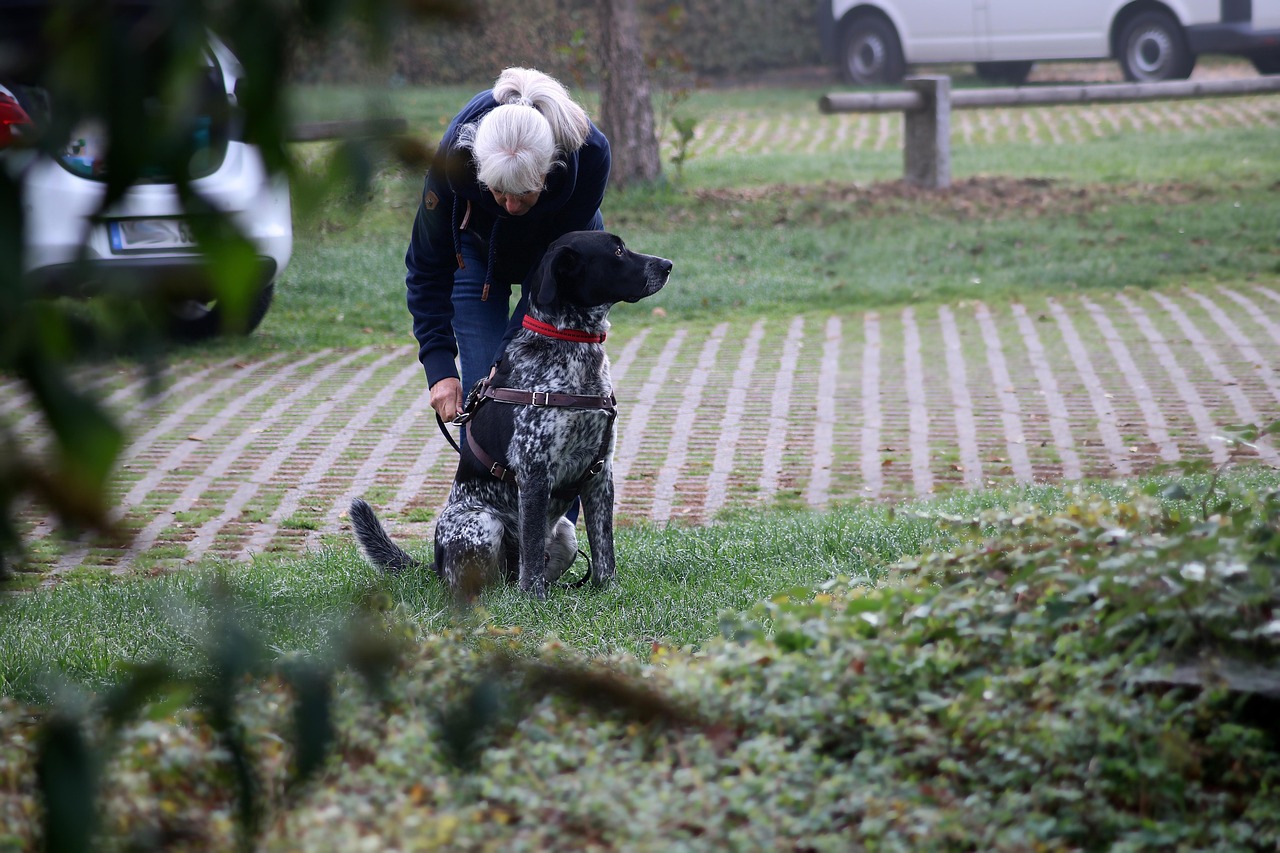
Potty training a puppy can feel like a marathon, not a sprint. Accidents happen, patience gets tested, and you might find yourself wondering if your furry friend will ever learn to “go” outside. But fear not! With consistency, positive reinforcement, and a solid understanding of your puppy’s needs, you can successfully navigate the potty-training journey and establish healthy habits that will last a lifetime. This guide provides practical tips and actionable strategies to help you potty train your puppy with confidence and ease.
Understanding Your Puppy’s Needs
Frequency and Timing
Puppies have small bladders and limited control, meaning frequent potty breaks are crucial. As a general rule, a puppy can hold their bladder for approximately one hour for every month of age. Therefore, a three-month-old puppy needs to go out every three hours.
- Frequency: Expect to take your puppy out every 2-3 hours, especially after waking up, eating, playing, and before bedtime.
- Timing is Key: Pay close attention to your puppy’s cues, such as circling, sniffing, squatting, or whining. These are clear indicators they need to go.
- Example: If your puppy wakes up at 7:00 AM, immediately take them outside. Then, plan potty breaks every 2-3 hours until bedtime.
Recognizing the Signs
Learning to recognize your puppy’s potty signals is essential for preventing accidents. Early detection allows you to redirect them outside before they eliminate indoors.
- Common Signs: Watch for behaviors like circling, sniffing excessively at the ground, squatting, whining, scratching at the door, or becoming restless.
- Individual Variations: Every puppy is different. Some may be more subtle in their signals than others. Observe your puppy closely to understand their unique cues.
- Actionable Tip: Keep a log of your puppy’s potty habits to identify patterns and anticipate their needs. Note the time, location, and any preceding activities.
Establishing a Routine
Crate Training
Crate training is a valuable tool in potty training. Puppies naturally avoid soiling their sleeping area, making the crate a safe and effective way to manage their potty habits.
- Choosing the Right Crate: Select a crate that is appropriately sized for your puppy. It should be large enough for them to stand up, turn around, and lie down comfortably, but not so large that they can eliminate in one corner and sleep in another.
- Introducing the Crate: Make the crate a positive and inviting space by placing soft bedding, toys, and treats inside. Gradually introduce your puppy to the crate by encouraging them to enter voluntarily.
- Crate as a Tool, Not Punishment: Never use the crate as punishment. It should be a safe haven for your puppy.
- Example: Start by feeding your puppy meals in the crate to create positive associations. Gradually increase the time they spend in the crate, always rewarding them for calm behavior.
Designated Potty Spot
Choosing a specific spot in your yard for your puppy to eliminate helps them learn where they are expected to go.
- Consistency is Key: Always take your puppy to the same spot for potty breaks. The familiar scents will encourage them to eliminate.
- Verbal Cue: Use a specific verbal cue, such as “Go potty” or “Do your business,” when you take your puppy to the designated spot.
- Reward Immediately: When your puppy eliminates in the designated spot, praise them enthusiastically and offer a high-value treat.
- Example: Consistently use the same phrase, such as “Go potty!”, every time you take your puppy to their designated spot. When they eliminate, immediately reward them with praise and a small treat.
Positive Reinforcement Techniques
Rewards and Praise
Positive reinforcement is the most effective way to encourage desired behaviors. Rewarding your puppy for eliminating outside reinforces the connection between going potty in the right place and receiving positive attention.
- Timing is Crucial: Reward your puppy immediately after they eliminate outside. The reward should be given within seconds to create a clear association.
- Variety of Rewards: Use a combination of verbal praise, petting, and treats to keep your puppy motivated.
- High-Value Treats: Use high-value treats that your puppy finds particularly appealing, such as small pieces of cooked chicken or cheese.
- Example: As soon as your puppy finishes eliminating outside, say “Good potty!” in an enthusiastic tone and immediately give them a small, tasty treat.
Avoiding Punishment
Punishing your puppy for accidents can be counterproductive and damage your relationship. Punishment can create fear and anxiety, leading to avoidance behaviors and making potty training more difficult.
- Focus on Prevention: Instead of punishing accidents, focus on preventing them by managing your puppy’s environment and providing frequent potty breaks.
- Clean Accidents Thoroughly: If your puppy has an accident indoors, clean it up thoroughly with an enzymatic cleaner to remove the odor and discourage repeat offenses.
- Redirection, Not Punishment: If you catch your puppy in the act of eliminating indoors, calmly interrupt them and immediately take them outside to their designated potty spot.
Addressing Common Challenges
Nighttime Accidents
Nighttime accidents are common, especially with younger puppies. Here are some strategies to minimize them:
- Limit Water Intake: Limit your puppy’s water intake a few hours before bedtime.
- Late-Night Potty Break: Take your puppy out for a final potty break right before bedtime.
- Crate Placement: Keep your puppy’s crate in your bedroom so you can hear them if they need to go out during the night.
- Middle-of-the-Night Potty Break: If your puppy wakes you up during the night, take them outside immediately and without interacting more than necessary.
Submissive Urination
Some puppies may exhibit submissive urination, which is involuntary urination that occurs when they feel excited, scared, or intimidated.
- Avoid Direct Eye Contact: Approach your puppy calmly and avoid direct eye contact, which can be perceived as threatening.
- Speak in a Soft Tone: Use a gentle and reassuring tone of voice when interacting with your puppy.
- Lower Your Body Posture: Crouch down to your puppy’s level to appear less intimidating.
- Ignore the Urination: Clean up the accident without scolding your puppy.
Conclusion
Potty training a puppy requires patience, consistency, and a positive approach. By understanding your puppy’s needs, establishing a routine, using positive reinforcement, and addressing common challenges, you can successfully guide your furry friend towards becoming a well-behaved and house-trained companion. Remember to celebrate small victories, stay consistent with your training methods, and enjoy the bonding experience with your new puppy. The journey might have its bumps, but the reward of a house-trained puppy is well worth the effort!