

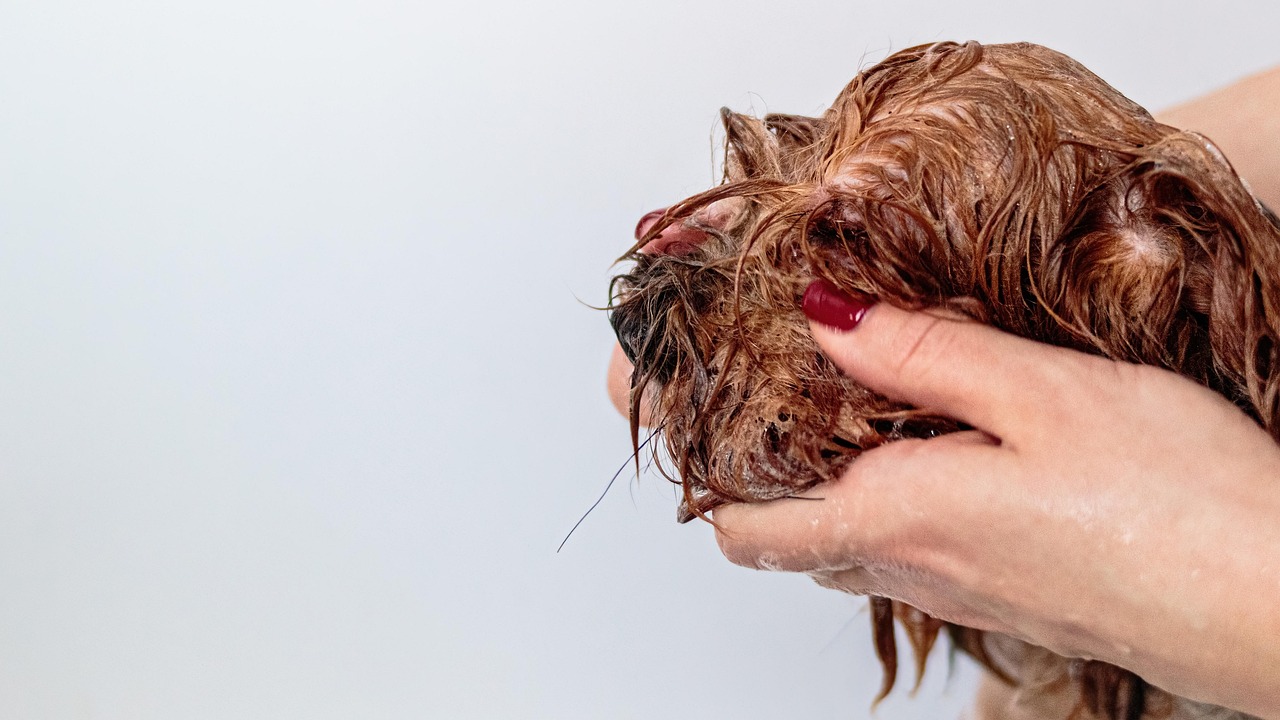
Natural dog shampoo is more than just a trend; it’s a conscious choice for the health and well-being of your furry friend. With so many options available, navigating the world of natural dog grooming can feel overwhelming. This guide provides a comprehensive overview of natural dog shampoo, covering everything from ingredients to benefits and how to choose the best option for your canine companion. Let’s dive in and discover how to keep your dog clean and healthy the natural way!
The Importance of Natural Dog Shampoo
Why Choose Natural?
Conventional dog shampoos often contain harsh chemicals, synthetic fragrances, and artificial colors that can irritate your dog’s skin and cause long-term health issues. Natural dog shampoos, on the other hand, are formulated with plant-based ingredients that are gentle, effective, and environmentally friendly.
- Minimizes Skin Irritation: Natural ingredients are less likely to cause allergic reactions or skin sensitivities.
- Reduces Exposure to Harmful Chemicals: Avoid harsh sulfates, parabens, and artificial fragrances.
- Supports a Healthy Coat: Natural oils and botanicals nourish the coat and promote shine.
- Environmentally Friendly: Biodegradable ingredients reduce the impact on the planet.
Statistics on Pet Allergies
According to the American Veterinary Medical Association (AVMA), skin allergies are among the most common reasons dog owners seek veterinary care. Using natural dog shampoo can significantly reduce the likelihood of triggering or exacerbating these allergies. Choosing natural also benefits dogs with pre-existing skin conditions.
Understanding Natural Ingredients
Key Natural Ingredients and Their Benefits
Knowing what to look for in a natural dog shampoo is essential. Here are some of the most beneficial natural ingredients:
- Aloe Vera: Soothes and moisturizes the skin, reducing inflammation.
- Oatmeal: Relieves itching and irritation, ideal for dogs with sensitive skin or allergies.
Example: Oatmeal shampoo is great for dogs experiencing seasonal allergies.
- Coconut Oil: Hydrates the skin and coat, adding shine and softness.
- Shea Butter: Provides deep moisturization and helps protect the skin’s natural barrier.
- Essential Oils (Lavender, Chamomile, Cedarwood): Offer calming and therapeutic benefits (use with caution, as some can be harmful to pets in high concentrations). Lavender, in particular, can create a calming effect during bath time.
- Tea Tree Oil: Has antiseptic and anti-inflammatory properties. Note: Use with extreme caution and in very diluted form, as it can be toxic to dogs in high concentrations. Consult with your veterinarian before using.
Ingredients to Avoid
Be aware of harmful ingredients that can be found in non-natural shampoos:
- Sulfates (SLS, SLES): Harsh detergents that can strip the skin of its natural oils, causing dryness and irritation.
- Parabens: Preservatives that have been linked to endocrine disruption.
- Artificial Fragrances and Dyes: Common allergens and irritants.
- Phthalates: Chemicals used to enhance fragrance, linked to hormone disruption.
- Formaldehyde: A known carcinogen, sometimes found in preservatives.
Choosing the Right Natural Shampoo for Your Dog
Identifying Your Dog’s Specific Needs
Not all natural dog shampoos are created equal. Consider your dog’s specific needs when making your selection:
- Skin Type:
Sensitive Skin: Look for hypoallergenic and fragrance-free formulas with ingredients like oatmeal and aloe vera.
Dry Skin: Opt for moisturizing shampoos with coconut oil, shea butter, and glycerin.
Oily Skin: Choose a shampoo with tea tree oil (used sparingly) or citrus extracts to help control oil production.
- Coat Type:
Long Hair: Select a detangling shampoo to prevent mats and tangles.
Short Hair: A basic natural shampoo will suffice.
Double Coat: Look for a shampoo specifically designed to penetrate the dense undercoat.
- Allergies: Consult with your veterinarian for recommendations on hypoallergenic and allergen-free shampoos.
- Age: Puppies require very gentle, tear-free formulas, while senior dogs may benefit from moisturizing shampoos.
Reading Labels and Understanding Certifications
Always read the product label carefully. Look for certifications from reputable organizations that verify the product’s natural claims, such as:
- USDA Organic: Indicates that the ingredients are certified organic.
- Leaping Bunny: Guarantees that the product is cruelty-free.
- Natural Products Association (NPA): Certifies that the product meets strict natural standards.
Bathing Your Dog with Natural Shampoo
Step-by-Step Guide
Tips for a Stress-Free Bathing Experience
- Positive Reinforcement: Use treats and praise to make bath time a positive experience.
- Comfortable Environment: Ensure the bathing area is warm and comfortable.
- Gradual Introduction: If your dog is nervous about baths, gradually introduce them to the process.
- Ear Care: Clean your dog’s ears after bathing to prevent infections.
- Avoid Over-Bathing: Bathing too frequently can strip the skin of its natural oils. Aim to bathe your dog only when necessary (typically every 1-3 months).
DIY Natural Dog Shampoo Recipes
Simple Recipes for Homemade Shampoo
For the ultimate control over ingredients, consider making your own natural dog shampoo. Always do a small patch test before applying a new formula to your dog’s entire body.
- Basic Oatmeal Shampoo:
1 cup finely ground oatmeal
1/2 cup baking soda
4 cups warm water
Mix ingredients well and apply to wet coat. Let sit for 5-10 minutes, then rinse thoroughly.
- Simple Soap-Based Shampoo:
1 cup liquid castile soap (unscented)
1 cup water
1 tablespoon apple cider vinegar
Mix ingredients well and apply to wet coat. Rinse thoroughly.
- Soothing Aloe Vera Shampoo:
1 cup liquid castile soap (unscented)
1/2 cup aloe vera gel
1/4 cup glycerin
Mix ingredients well and apply to wet coat. Rinse thoroughly.
Precautions and Considerations
- Essential Oils: Use essential oils with caution and in very diluted form. Some essential oils, like tea tree oil, can be toxic to dogs in high concentrations. Always research and consult with your veterinarian before using essential oils.
- Patch Test: Always do a patch test on a small area of your dog’s skin before using a new shampoo, even if it’s natural.
- Veterinarian Consultation: If your dog has any underlying health conditions, allergies, or skin sensitivities, consult with your veterinarian before using any new shampoo.
Conclusion
Choosing a natural dog shampoo is a significant step towards promoting your dog’s health and well-being. By understanding the benefits of natural ingredients, identifying your dog’s specific needs, and carefully reading product labels, you can make an informed decision. Whether you opt for a store-bought natural shampoo or a DIY recipe, your furry friend will thank you for choosing a gentle and effective grooming solution. Remember to always prioritize safety, consult with your veterinarian when necessary, and enjoy the bonding experience of bath time with your dog.