

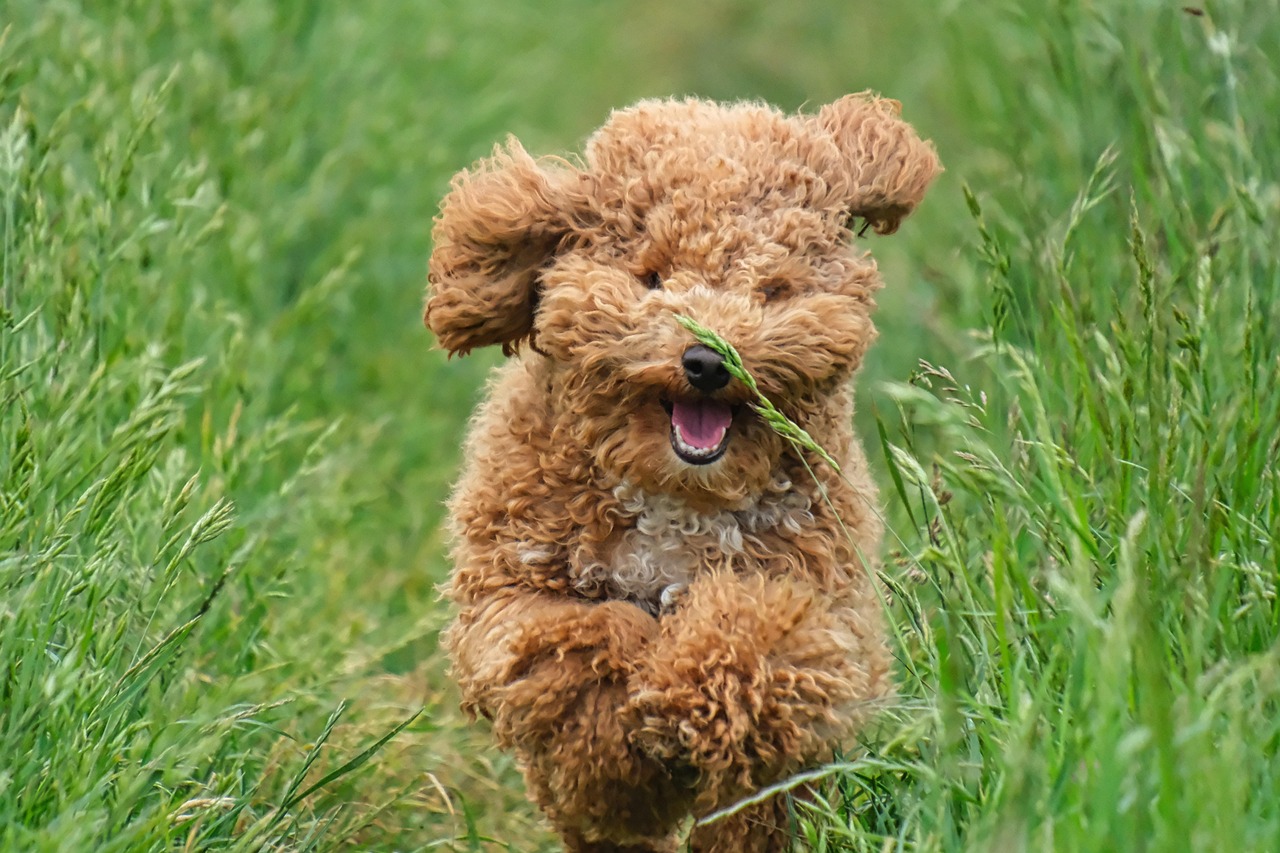
Dog playdates are a fantastic way to socialize your furry friend, burn off excess energy, and strengthen the bond between you and your pup. However, successful dog playdates require careful planning and consideration to ensure a safe and enjoyable experience for everyone involved. From choosing the right location to understanding dog body language, this guide will provide you with creative and practical dog playdate ideas to help your canine companion thrive.
Choosing the Perfect Playdate Location
The location of your dog playdate is a crucial factor in its success. Different environments offer different opportunities for interaction and exercise, but each comes with its own set of considerations.
Dog Parks: Pros and Cons
Dog parks are a popular choice for playdates, offering a dedicated space for dogs to run and socialize off-leash.
- Pros:
Dedicated space designed for dogs.
Opportunity for free play and socialization with various dogs.
Often equipped with agility equipment or water features.
- Cons:
Can be overwhelming for shy or reactive dogs.
Risk of encountering dogs with unknown temperaments.
Requires careful monitoring to prevent conflicts.
Example: If you’re considering a dog park, visit during off-peak hours initially to assess the environment. Ensure your dog has a solid recall before letting them off-leash.
Private Yards: Controlled Environments
Hosting a playdate in a private yard provides a more controlled and personalized experience.
- Pros:
Controlled environment, reducing the risk of unexpected encounters.
Opportunity to tailor the playdate to your dog’s specific needs.
Easier to manage interactions and intervene if necessary.
- Cons:
Requires a secure and fenced-in yard.
Limited space compared to a dog park.
May not provide as much variety in terms of socialization.
Example: Before inviting a dog to your yard, inspect the fencing for any gaps or weak points. Remove any potentially dangerous items, such as toxic plants or sharp objects.
Hiking Trails: Adventure and Exercise
Hiking trails offer a scenic and adventurous option for dog playdates, combining exercise with exploration.
- Pros:
Provides physical exercise and mental stimulation.
Opportunity to explore new environments and experience different scents.
Can strengthen the bond between dogs and their owners.
- Cons:
Requires a well-behaved and trained dog.
Potential hazards such as wildlife, uneven terrain, and other hikers.
Important to check local regulations regarding dogs on trails.
Example: Choose a dog-friendly trail that is appropriate for your dog’s fitness level. Keep your dog on a leash, and bring plenty of water and poop bags.
Fun Playdate Activities
Once you’ve chosen a location, it’s time to plan some engaging activities to keep the dogs entertained.
Fetch and Retrieve Games
A classic game of fetch is a simple yet effective way to provide exercise and mental stimulation.
- Variations:
Use different types of balls or toys to keep things interesting.
Incorporate obstacles or challenges to increase the difficulty.
Alternate between short and long throws to vary the intensity.
Example: Instead of just throwing a ball, try hiding it in a bush or behind a tree and letting the dogs use their sense of smell to find it.
Agility Courses and Obstacle Training
Setting up a mini agility course or obstacle training session can be a fun and challenging activity.
- DIY Options:
Use household items such as boxes, cones, and blankets to create simple obstacles.
Build a small jump or tunnel using PVC pipes.
Encourage the dogs to crawl under a low-hanging branch or walk across a log.
Example: Place a treat on top of a low box and encourage the dogs to jump up and get it. Gradually increase the height of the box as they become more confident.
Scent Work and Puzzle Toys
Engaging the dogs’ sense of smell with scent work or puzzle toys can provide mental stimulation and reduce boredom.
- Scent Work Ideas:
Hide treats or toys in different locations and let the dogs find them.
Use a snuffle mat to hide kibble and encourage foraging behavior.
Introduce different scents such as lavender or chamomile to stimulate their senses.
Example: Place a few drops of essential oil on a cotton ball and hide it in a box. Let the dogs use their nose to find the hidden scent.
Ensuring a Safe and Positive Experience
Safety is paramount when organizing a dog playdate. Careful planning and supervision can help prevent accidents and ensure a positive experience for everyone involved.
Pre-Playdate Screening
Before the playdate, it’s crucial to screen the dogs to ensure they are a good match.
- Temperament Assessment:
Ask about the dog’s history with other dogs and people.
Inquire about any known behavioral issues or triggers.
Consider a brief introduction on neutral territory before the playdate.
Example: Ask the owners if their dog has ever shown aggression towards other dogs or if they have any specific triggers that you should be aware of.
Monitoring Body Language
During the playdate, pay close attention to the dogs’ body language to identify any signs of stress or discomfort.
- Signs of Stress:
Tucked tail.
Lip licking.
Yawning.
Whale eye (showing the whites of their eyes).
Stiff body posture.
Example: If you notice a dog consistently avoiding eye contact or displaying a tucked tail, it may be feeling uncomfortable and needs a break.
Intervention Strategies
Be prepared to intervene if the play becomes too rough or if a conflict arises.
- Distraction Techniques:
Use a loud noise or a spray of water to interrupt the behavior.
Redirect the dogs’ attention with a toy or a treat.
Separate the dogs and give them a time-out if necessary.
Example: If the dogs start to engage in a wrestling match that is becoming too intense, clap your hands loudly or spray them with a water bottle to break up the interaction.
Playdate Etiquette and Best Practices
Following proper etiquette and best practices can help ensure a smooth and enjoyable playdate for everyone involved.
Vaccination and Health Records
Ensure that all dogs participating in the playdate are up-to-date on their vaccinations and are free from any contagious diseases.
- Proof of Vaccination:
Request proof of vaccination records from the owners before the playdate.
Confirm that the dogs are vaccinated against rabies, distemper, parvovirus, and adenovirus.
Check for Bordetella (kennel cough) vaccination, especially if visiting a dog park.
Example: Before confirming the playdate, ask the owners to provide a copy of their dog’s vaccination records.
Responsible Waste Disposal
Always clean up after your dog and dispose of waste properly to maintain a clean and sanitary environment.
- Poop Bags:
Bring plenty of poop bags and use them to pick up after your dog.
Dispose of the bags in designated waste receptacles.
Encourage other owners to do the same.
Example: Carry extra poop bags in case other owners forget to bring their own.
Respecting Boundaries
Be mindful of the dogs’ personal space and avoid forcing interactions.
- Allowing Choice:
Let the dogs approach each other at their own pace.
Avoid forcing them to play or interact if they are not interested.
* Respect their boundaries and intervene if necessary.
Example: If one dog is consistently avoiding another, do not force them to interact. Allow them to have their own space and time to adjust.
Conclusion
Organizing successful dog playdates requires careful planning, attention to detail, and a commitment to safety and responsible pet ownership. By choosing the right location, planning engaging activities, ensuring a safe environment, and following proper etiquette, you can create a positive and enriching experience for your canine companion. So, gather your furry friend, invite some playmates, and get ready for a tail-wagging good time!