

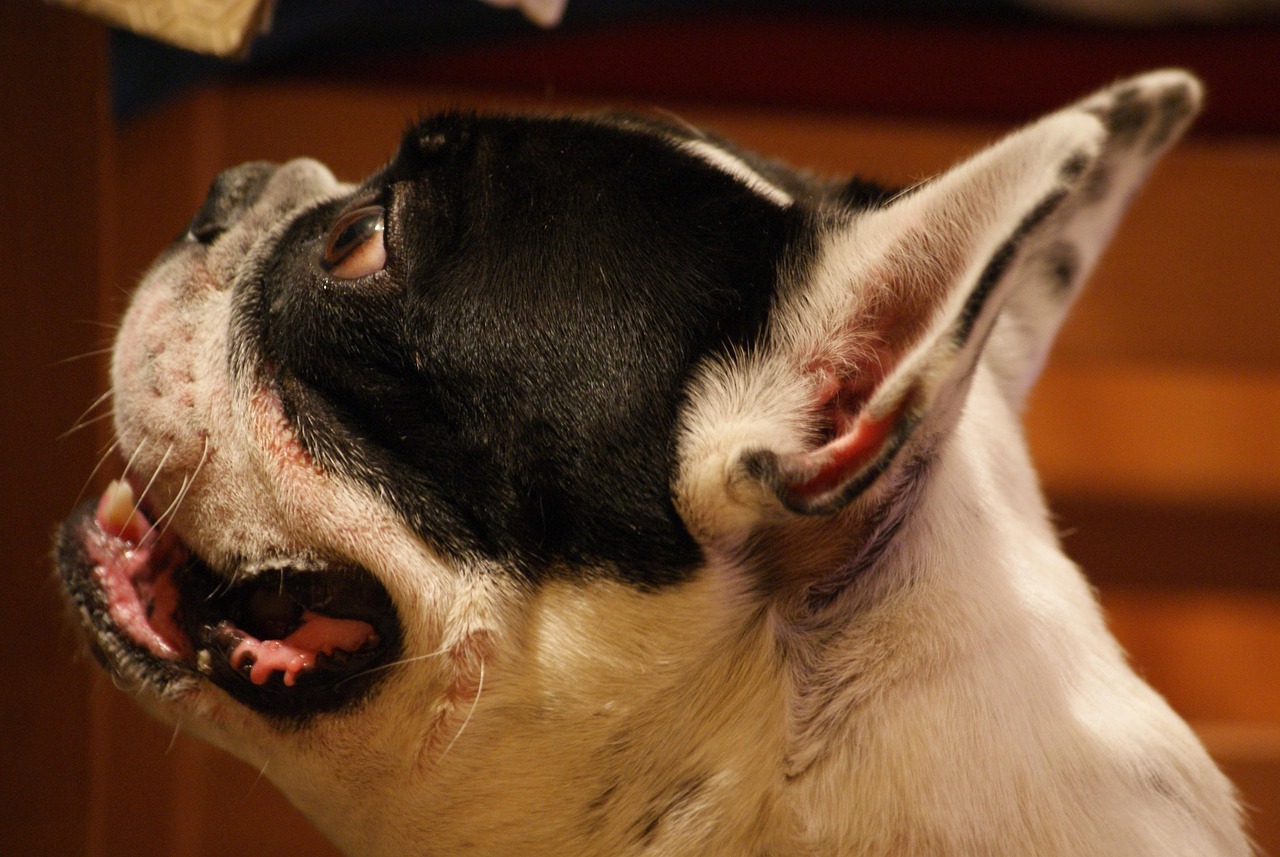
Dog obedience training can feel daunting, especially with busy schedules and varying canine personalities. But building a well-behaved and happy dog doesn’t necessarily require expensive professional classes. With patience, consistency, and the right approach, you can successfully conduct dog obedience training right in the comfort of your own home. This guide will walk you through the essential steps to effectively train your dog, strengthen your bond, and foster a harmonious relationship.
Setting the Stage for Success: Preparing for At-Home Dog Obedience Training
Creating a Dedicated Training Space
- Minimizing Distractions: Choose a quiet area free from distractions like the television, children playing, or other pets. This helps your dog focus on you and the training session. A spare room, a fenced-in backyard (during quiet times), or even a corner of your living room can work.
- Gathering Essential Supplies:
High-value treats: These should be small, tasty, and irresistible to your dog. Think tiny pieces of cooked chicken, cheese, or commercially available training treats.
A leash and collar or harness: Ensure they fit properly and comfortably.
A clicker (optional): Clicker training can be a very effective method, especially for certain dogs.
Toys: Use toys as rewards for successful training sessions.
Establishing Clear Goals and Expectations
- Start Small: Begin with basic commands like “sit,” “stay,” “come,” and “down.” Don’t overwhelm your dog by trying to teach too much at once.
- Realistic Expectations: Understand that every dog learns at their own pace. Be patient and celebrate small victories. Some breeds are inherently easier to train than others.
- Consistency is Key: Use the same commands and hand signals consistently to avoid confusing your dog.
Mastering Basic Dog Obedience Commands
Teaching “Sit”
- Lure Method: Hold a treat in front of your dog’s nose and slowly move it up and back towards their forehead. As their head goes up, their rear should naturally lower into a sit.
- Verbal Cue: As your dog starts to sit, say the word “Sit.”
- Reward: Immediately give them the treat and praise them enthusiastically when they successfully sit.
- Repetition: Repeat this process several times a day, in short sessions.
Teaching “Stay”
- “Sit” First: Begin by having your dog sit.
- Verbal Cue and Hand Signal: Say “Stay” in a firm, calm voice while holding your hand up in a “stop” gesture.
- Gradual Increase in Duration: Start with just a second or two of stay. Gradually increase the duration as your dog becomes more comfortable.
- Reward and Release: If your dog stays, reward them with a treat and praise. Then, use a release word like “Okay” to signal they are free to move.
- Example: “Buddy, Sit. Stay.” (wait 2 seconds). “Okay!” (treat and praise). Repeat, gradually increasing the “Stay” time.
Teaching “Come” (Recall)
- Start in a Controlled Environment: Begin indoors with minimal distractions.
- Enthusiastic Cue: Say “Come!” in a happy, inviting voice.
- Encouragement: Use body language, such as clapping your hands or crouching down, to encourage your dog to come to you.
- Reward and Praise: When your dog comes to you, reward them with a high-value treat and enthusiastic praise.
- Gradually Increase Distance: Once your dog reliably comes to you indoors, practice outdoors, gradually increasing the distance between you.
- Safety First: Always use a long leash or a secure fenced-in area when practicing recall outdoors to prevent your dog from running off.
Positive Reinforcement: The Cornerstone of Effective Dog Training
Understanding Positive Reinforcement
- Rewarding Desired Behaviors: Positive reinforcement involves rewarding your dog for performing the desired behavior. This encourages them to repeat the behavior in the future.
- Types of Rewards: Rewards can include treats, praise, toys, or even a simple pat on the head.
- Timing is Crucial: Deliver the reward immediately after the desired behavior occurs. This helps your dog associate the reward with the specific action.
- Avoid Punishment: Punishment can create fear and anxiety, damaging your relationship with your dog and hindering the training process. Focus on rewarding good behavior instead.
Using a Clicker for Precision
- Associating the Click with Positive Reinforcement: A clicker can be a powerful tool for marking the exact moment your dog performs the desired behavior.
- Charging the Clicker: To “charge” the clicker, click it and immediately give your dog a treat. Repeat this several times until your dog associates the sound of the click with a positive reward.
- Using the Clicker During Training: When your dog performs the desired behavior, click the clicker at the exact moment they do it, and then immediately give them a treat.
Addressing Common Dog Training Challenges
Dealing with Distractions
- Start in a Low-Distraction Environment: As mentioned earlier, begin training in a quiet area with minimal distractions.
- Gradually Increase Distractions: As your dog progresses, gradually introduce distractions to the training environment. This could include having other people or pets present, or training in a more public setting.
- Redirection: If your dog gets distracted, gently redirect their attention back to you. Use a verbal cue like “Look at me” or a gentle tug on the leash.
Overcoming Stubbornness or Resistance
- Patience is Key: Remember that every dog learns at their own pace. Don’t get discouraged if your dog doesn’t pick up on a command right away.
- Adjust Your Approach: If your dog is struggling with a particular command, try breaking it down into smaller, more manageable steps.
- Make Training Fun: Keep training sessions short, positive, and engaging. Use a variety of rewards and activities to keep your dog motivated.
- Rule out medical issues: If a dog is suddenly resistant to training, a vet check is recommended.
Socialization and Continued Training
The Importance of Socialization
- Early Socialization: Expose your puppy to a variety of people, places, and sounds during their critical socialization period (between 3 and 16 weeks of age). This will help them develop into well-adjusted adults.
- Controlled Environments: Ensure that socialization experiences are positive and controlled. Supervise interactions with other dogs and people to prevent negative experiences.
- Ongoing Socialization: Socialization is an ongoing process. Continue to expose your dog to new experiences throughout their life.
Maintaining and Advancing Training
- Regular Practice: Once your dog has mastered the basic commands, continue to practice them regularly to maintain their skills.
- Introduce New Challenges: As your dog becomes more proficient, introduce new challenges to keep them engaged and mentally stimulated. This could include teaching them new tricks, participating in dog sports like agility or obedience, or simply taking them to new places.
- Lifelong Learning: Dog training is a lifelong process. Continue to learn and adapt your training methods as your dog’s needs and abilities change over time.
Conclusion
Dog obedience training at home is a rewarding journey that strengthens your bond with your furry friend and contributes significantly to their well-being and your overall household harmony. By setting clear goals, using positive reinforcement techniques, addressing challenges with patience, and prioritizing socialization, you can successfully train your dog to be a well-behaved and happy member of your family. Remember, consistency and patience are paramount. Enjoy the process and celebrate the progress you make together!