

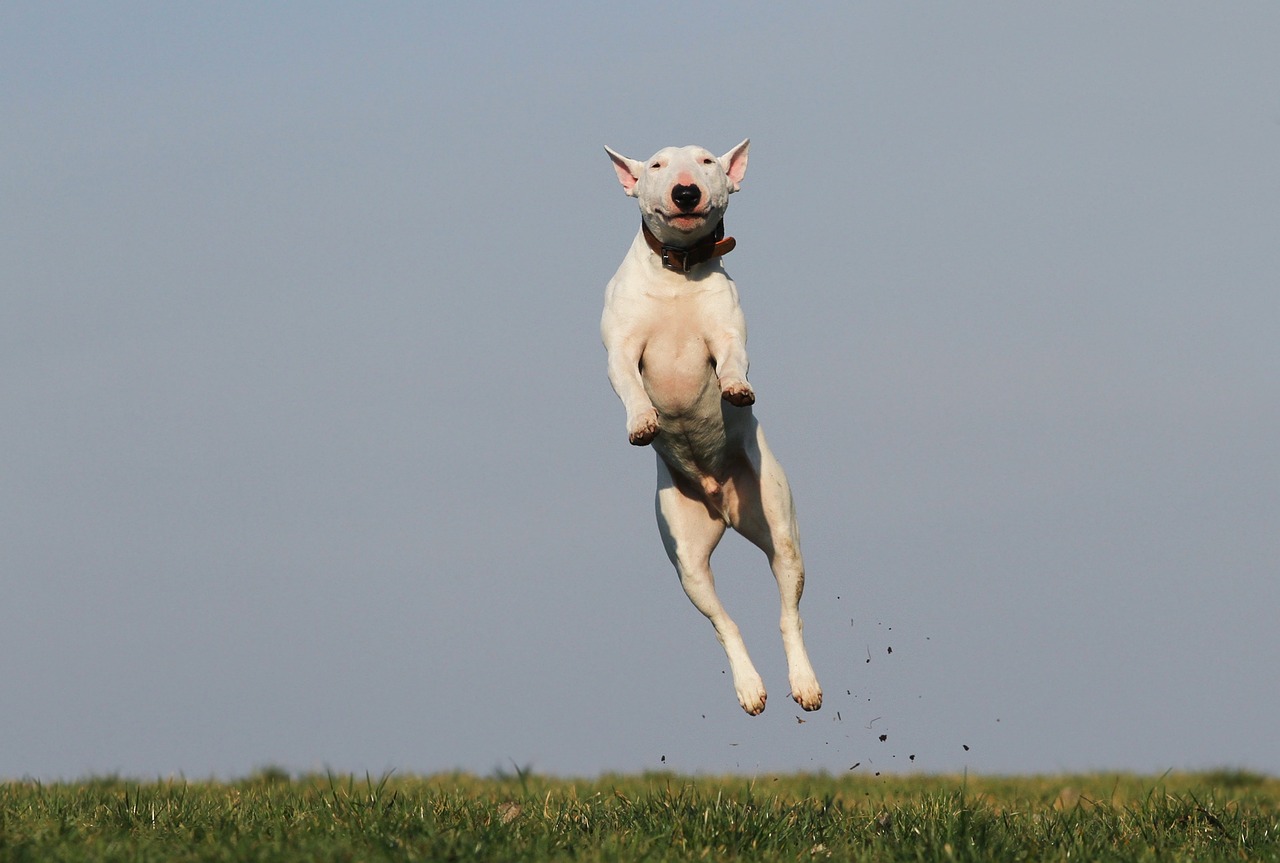
Imagine the freedom of letting your dog off-leash, confident they’ll come bounding back to you the instant you call their name. A reliable recall is arguably the most important command you can teach your furry friend. Not only does it give you more control in various situations, but it can also be a lifesaver, preventing them from running into traffic, chasing wildlife, or getting into other dangerous scenarios. This guide provides a comprehensive approach to dog recall training, helping you build a strong and consistent response.
Building a Foundation for Successful Recall
Understanding the Importance of Positive Reinforcement
Positive reinforcement is the cornerstone of effective dog training, especially for recall. It involves rewarding your dog for desired behaviors, making them more likely to repeat those actions in the future. Unlike punishment-based methods, positive reinforcement fosters a positive relationship between you and your dog and motivates them to want to work with you.
- Focus on rewards: Use high-value treats, praise, toys, or even a favorite game to motivate your dog.
- Avoid punishment: Never punish your dog for not coming when called. If they associate recall with negativity, they will be less likely to respond in the future. Even if your dog doesn’t return immediately, avoid scolding them when they do finally come.
- Consistency is key: Use consistent verbal cues and body language to avoid confusing your dog.
Creating a High-Value Reward System
The value of a reward is subjective and depends on your dog’s preferences. What motivates one dog might not motivate another. Experiment with different rewards to find what works best for your individual dog.
- Treat Trials: Offer a variety of treats and observe your dog’s reaction. Note which treats elicit the most enthusiastic response.
- Toy Preference: Some dogs are more motivated by toys than food. Experiment with different types of toys, such as balls, frisbees, or tug ropes.
- Praise and Affection: For some dogs, verbal praise and physical affection are highly rewarding. Use an enthusiastic tone and combine praise with petting or scratching.
- Reward Hierarchy: Establish a hierarchy of rewards, using the highest-value rewards for more challenging recalls, such as when there are distractions.
Starting Recall Training Indoors
Introducing the Recall Cue
Begin recall training in a controlled environment with minimal distractions. This allows your dog to focus on you and learn the association between the recall cue and the reward.
- Choose a clear cue: Select a short, distinct word or phrase, such as “Come,” “Here,” or “Recall.” Avoid using your dog’s name as the recall cue, as it is used in many other contexts.
- Associate the cue with rewards: Say the recall cue in a cheerful tone and immediately offer a high-value treat or toy when your dog comes to you.
- Practice frequently: Conduct short training sessions several times a day, focusing on repetition and positive reinforcement.
Gradually Increasing Distance
Once your dog consistently responds to the recall cue at close range, gradually increase the distance between you and your dog.
- Start small: Begin by increasing the distance by a few feet at a time.
- Use a leash: Use a long leash to prevent your dog from wandering off and to guide them back to you if needed.
- Reward immediately: As soon as your dog reaches you, reward them enthusiastically with praise, treats, or a favorite toy.
Generalizing Recall Training Outdoors
Introducing Distractions Gradually
The real test of recall comes when training outdoors, where there are countless distractions. Introduce distractions gradually to help your dog generalize the recall command to different environments.
- Start in a quiet area: Begin training in a quiet park or field with minimal distractions.
- Use a long leash: Keep your dog on a long leash to maintain control and prevent them from chasing after distractions.
- Introduce distractions one at a time: Gradually introduce distractions, such as other dogs, people, or interesting scents.
- Reward heavily: Use high-value rewards to keep your dog motivated and focused on you.
Proofing the Recall
Proofing involves practicing recall in a variety of environments and under different conditions to ensure that your dog responds reliably, even when faced with strong distractions.
- Practice in different locations: Train in parks, fields, wooded areas, and even in your backyard.
- Vary the distractions: Expose your dog to different distractions, such as squirrels, birds, children, and other dogs.
- Use a variety of rewards: Continue to use a variety of rewards to keep your dog engaged and motivated.
- Be patient and consistent: Proofing takes time and patience. Be consistent with your training and reward your dog for every successful recall.
Troubleshooting Common Recall Challenges
The Dog Who Only Comes When They Feel Like It
This is a common problem, and often stems from inconsistent training or a lack of motivation.
- Increase the value of the reward: If your dog isn’t consistently responding, the reward may not be high enough value to compete with the distractions.
- Go back to basics: Revisit the initial stages of training in a controlled environment.
- Use a “check cord”: A long, lightweight rope attached to your dog’s collar that allows you to gently guide them back to you if they ignore the recall cue.
- Avoid nagging: Repeatedly calling your dog’s name without a response can desensitize them to the cue.
The Dog Who Plays “Keep Away”
This can be frustrating, but it’s often a sign that your dog finds the interaction with you more rewarding than coming back.
- Make coming back fun: Use an excited tone and engage in playful behavior when your dog returns.
- Avoid chasing: Chasing your dog will only encourage them to run further away.
- Crouch down: Crouching down can make you appear less threatening and more inviting.
- Offer a trade: If your dog has something in their mouth, offer them a high-value treat in exchange.
Conclusion
A reliable recall is an invaluable asset for any dog owner, offering freedom, safety, and peace of mind. By using positive reinforcement, starting with a solid foundation, gradually introducing distractions, and addressing common challenges, you can build a strong and consistent recall with your dog. Remember, consistency and patience are key. Investing the time and effort into recall training will strengthen your bond with your dog and create a safer and more enjoyable experience for both of you.