

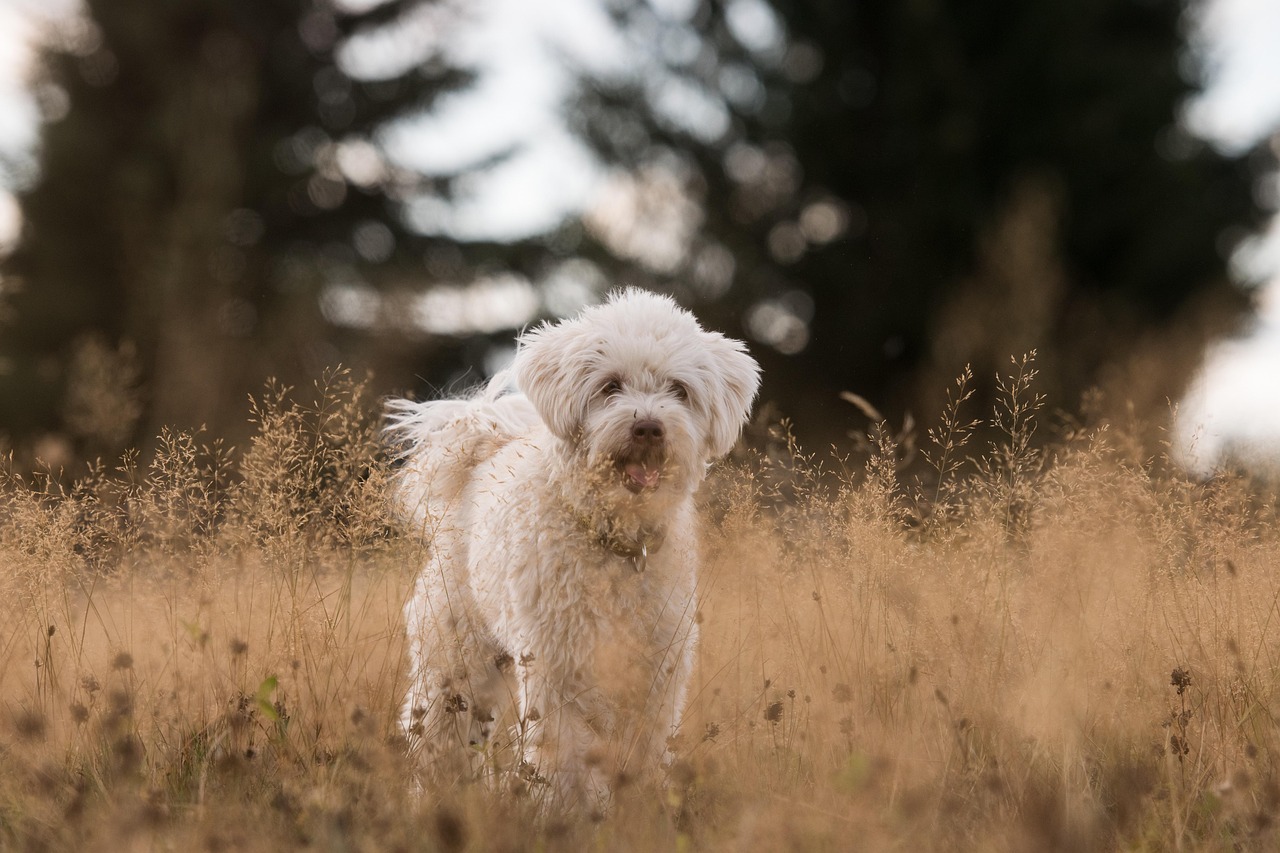
Creating a beautiful garden doesn’t have to come at the expense of your furry friends’ safety. In fact, with a few thoughtful considerations, you can cultivate a thriving outdoor space that’s both aesthetically pleasing and perfectly pet-friendly. From choosing the right plants to creating safe play areas, let’s dive into the wonderful world of gardening with your pets in mind.
Choosing Pet-Safe Plants
Identifying Toxic Plants
Knowing which plants are harmful to pets is the first and most crucial step in creating a safe garden. Many common garden plants can cause mild to severe reactions if ingested. Resources like the ASPCA’s Toxic and Non-Toxic Plant List are invaluable.
- Common culprits to avoid: Lilies (especially dangerous for cats), tulips, daffodils, azaleas, rhododendrons, oleander, sago palms, and castor beans.
- Symptoms of plant poisoning in pets: Vomiting, diarrhea, drooling, lethargy, loss of appetite, skin irritation, tremors, seizures, and in severe cases, organ failure. Seek immediate veterinary attention if you suspect your pet has ingested a toxic plant.
- Consider native plants: Often, native plants are less toxic and better adapted to your local environment, requiring less maintenance and fewer potentially harmful chemicals.
Embracing Pet-Friendly Alternatives
Instead of focusing on what you can’t plant, explore the vast array of beautiful and safe options!
- Herbs: Basil, rosemary, thyme, and sage are generally safe for pets and can add flavor to your cooking. Catnip is a classic choice for feline friends (but plant with caution as it can become invasive).
- Flowers: Sunflowers, petunias, zinnias, calendula, and snapdragons are colorful and pet-safe choices.
- Vegetables: Most vegetables are safe for pets, including carrots, cucumbers, and lettuce. Consider dedicating a small section of your garden specifically for your pets to nibble on (under supervision, of course).
- Grasses: Cat grass (wheatgrass, oat grass, barley grass) is a great option for cats who enjoy chewing on greenery, helping with digestion and hairball control.
Creating Designated Digging Zones
Some dogs are natural diggers. Instead of constantly battling this instinct, provide a designated digging zone to protect your prized plants.
- Choose a location: Select an area away from flower beds and vegetable gardens.
- Use a container: Consider using a large planter, sandbox, or even just a defined area in the yard.
- Fill with pet-safe materials: Sand, soil, or even mulch can be used as filler. Bury some toys or treats to encourage your dog to use the area.
- Train your dog: Redirect your dog to the digging zone whenever you see them digging elsewhere. Positive reinforcement is key!
Protecting Your Garden
Raised Garden Beds and Barriers
Physical barriers are a great way to keep pets out of sensitive areas while still allowing them to enjoy the garden.
- Raised beds: Elevating your garden beds makes them less accessible to curious pets. Choose sturdy materials that won’t easily be knocked over.
- Fencing: Low fences or chicken wire can be used to create a protective barrier around flower beds or vegetable gardens. Ensure the fence is tall enough to deter jumping and dug-under attempts.
- Edging: Use rocks, bricks, or wooden borders to define garden beds and create a physical barrier.
Natural Repellents
Instead of harsh chemicals, opt for natural repellents to deter pets from chewing or digging in your garden.
- Citrus: Pets often dislike the smell of citrus. Place orange or lemon peels around your plants or use a citrus-based spray (make sure it’s pet-safe).
- Vinegar: Diluted vinegar can be sprayed around plants to deter digging. Test a small area first to ensure it doesn’t harm the plants.
- Cayenne pepper: Sprinkle a small amount of cayenne pepper around plants to deter chewing (use sparingly and avoid contact with pets’ eyes or nose).
- Commercial pet-safe repellents: Look for repellents specifically designed for pets that use natural ingredients like garlic, peppermint, or rosemary oil. Always follow the product instructions carefully.
Mulch Considerations
Mulch is beneficial for moisture retention and weed control, but certain types can be harmful to pets.
- Avoid cocoa mulch: Cocoa mulch contains theobromine, the same ingredient that makes chocolate toxic to dogs.
- Use pet-safe alternatives: Shredded hardwood mulch, pine bark mulch, or cedar mulch are generally safe for pets.
- Monitor for ingestion: Even with pet-safe mulch, monitor your pet to ensure they are not eating it. Large quantities of any mulch can cause digestive upset.
Safe Gardening Practices
Avoiding Chemical Pesticides and Herbicides
Chemical pesticides and herbicides can be extremely toxic to pets. Choose organic and pet-safe alternatives whenever possible.
- Hand-weeding: The most effective (though time-consuming) method of weed control.
- Organic pesticides: Use organic pesticides like neem oil, insecticidal soap, or Bacillus thuringiensis (Bt) to control pests. Always follow the product instructions carefully.
- Beneficial insects: Introduce beneficial insects like ladybugs and lacewings to your garden to control pests naturally.
- Homemade remedies: A mixture of water and dish soap can be effective against some pests.
Fertilizer Choices
Many commercial fertilizers contain chemicals that can be harmful to pets.
- Organic fertilizers: Choose organic fertilizers like compost, manure, or bone meal.
- Slow-release fertilizers: Opt for slow-release fertilizers to minimize the risk of ingestion.
- Apply carefully: Always follow the product instructions carefully and keep pets away from fertilized areas until the fertilizer is fully absorbed.
Tool Safety
Keep gardening tools stored safely away from pets.
- Sharp tools: Store sharp tools like pruners, shovels, and rakes in a locked shed or garage.
- Hoses and electrical cords: Coil hoses and electrical cords neatly to prevent tripping hazards.
- Buckets of water: Empty buckets of water to prevent pets from falling in and drowning.
Creating a Pet-Friendly Garden Design
Provide Shade and Water
Ensure your pets have access to shade and fresh water in the garden.
- Shade trees and shrubs: Plant trees and shrubs to provide shade during hot summer months.
- Dog house or shelter: A dog house or other shelter can provide a cool and comfortable place for your pet to relax.
- Water bowl: Keep a water bowl filled with fresh water in a shady spot. Consider a self-filling water bowl or fountain.
- Paddling pool: A small paddling pool can provide a fun way for your pet to cool off on hot days.
Create Pathways
Designate pathways for your pets to navigate the garden without trampling on plants.
- Use mulch, gravel, or stepping stones: Create clear pathways using pet-friendly materials.
- Avoid thorny or prickly plants: Choose plants that won’t scratch or irritate your pet’s skin.
- Wide pathways: Make sure the pathways are wide enough for your pet to walk comfortably.
Sensory Garden for Pets
Engage your pet’s senses with a variety of textures, scents, and sounds.
- Different textures: Include different textures in your garden, such as soft grasses, smooth stones, and rough bark.
- Aromatic plants: Plant aromatic herbs like lavender and rosemary to create a soothing environment.
- Water features: A small fountain or birdbath can provide a source of water and create a relaxing sound.
Conclusion
Creating a pet-friendly garden is a rewarding experience that allows you and your furry friends to enjoy the outdoors together safely. By choosing pet-safe plants, protecting your garden, using safe gardening practices, and designing a pet-friendly space, you can create a beautiful and harmonious environment for everyone. Remember to always supervise your pets in the garden and consult with your veterinarian if you have any concerns about plant toxicity or other potential hazards. Happy gardening!