

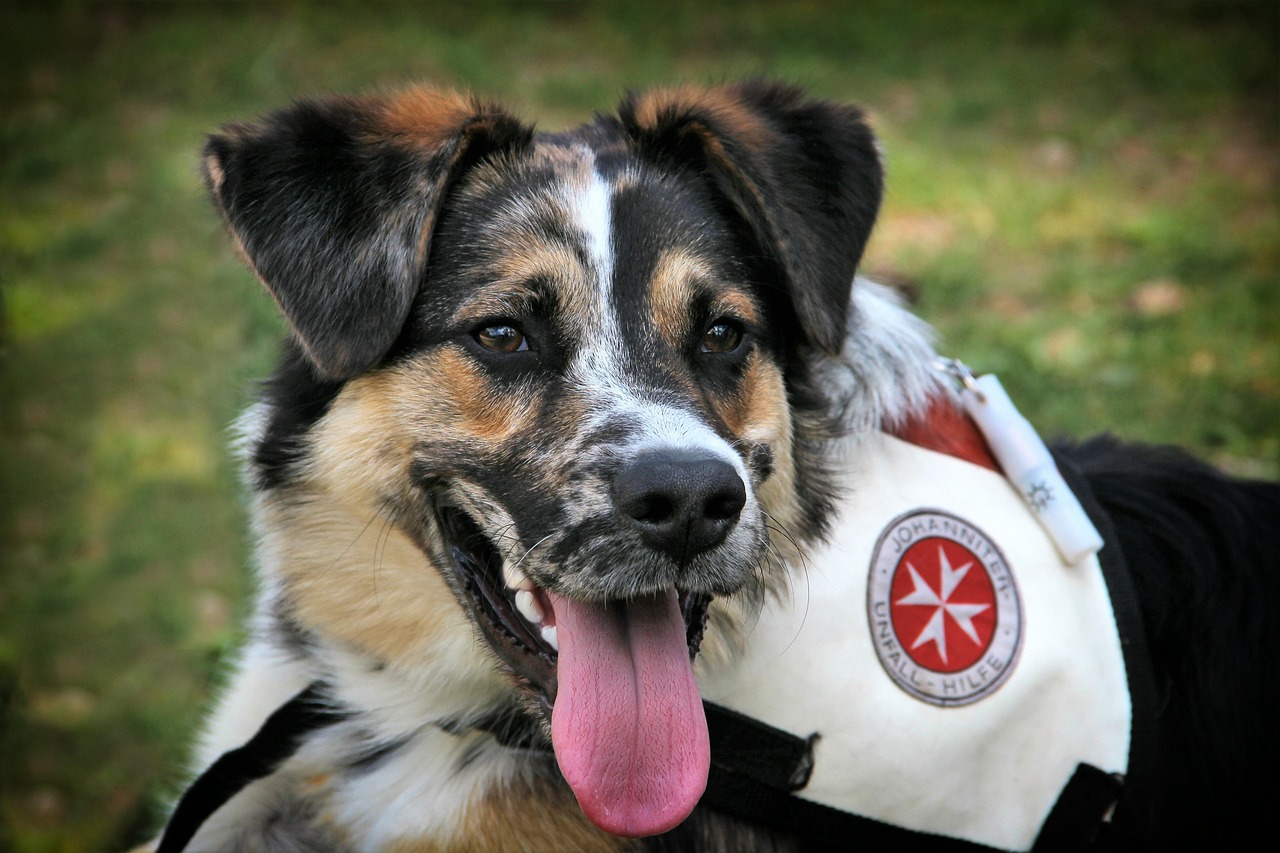
Training your furry companion is one of the most rewarding experiences a dog owner can have. Not only does it strengthen the bond between you and your dog, but it also equips them with the skills they need to navigate the world safely and confidently. A solid foundation of basic dog training commands is crucial for good behavior, safety, and overall well-being. This comprehensive guide will walk you through essential dog training commands, offering practical tips and advice to help you succeed.
Essential Dog Training Commands: Building a Strong Foundation
A well-trained dog is a happy dog. Mastering basic commands allows your dog to understand your expectations, promoting harmony and reducing potential behavioral issues. These foundational commands will set the stage for more advanced training and ensure a safe and enjoyable life for both you and your canine friend.
Sit: The Cornerstone Command
The “Sit” command is arguably the most fundamental in dog training. It’s easy to teach, versatile, and can be used in various situations.
- How to teach it: Hold a treat close to your dog’s nose. Slowly move the treat over their head towards their tail. As their nose follows the treat, their rear end should naturally lower into a sit position. The moment their rear touches the ground, say “Sit!” and give them the treat and praise.
- Troubleshooting: If your dog jumps up instead of sitting, try moving the treat slower and closer to their head. You can also guide their rear end down with gentle pressure while saying “Sit.”
- Practical application: Use “Sit” before feeding, putting on their leash, or greeting guests. This helps instill impulse control and polite behavior.
Stay: Mastering Self-Control
“Stay” is a crucial command for safety, preventing your dog from running into dangerous situations like traffic or chasing after distractions.
- How to teach it: Have your dog sit. Hold your hand up in a “stop” gesture and say “Stay.” Start with just a few seconds and gradually increase the duration. If they stay, reward them with a treat and praise.
- Troubleshooting: If your dog breaks the stay, calmly return them to the sit position and start again with a shorter duration. Avoid getting frustrated; patience is key.
- Practical application: Use “Stay” before opening the door, crossing the street, or anytime you need your dog to remain in place.
Come: Ensuring a Reliable Recall
The “Come” command, also known as recall, is potentially the most important command you can teach your dog. A reliable recall can save their life in dangerous situations.
- How to teach it: Start in a quiet area with no distractions. Use a cheerful tone and say “Come!” while gently pulling them towards you using a leash. As they come, shower them with praise and give them a high-value treat.
- Troubleshooting: If your dog is hesitant to come, try making the command more enticing by using a playful tone, crouching down, or even running backwards to encourage them to chase you.
- Practical application: Practice “Come” in various environments, gradually increasing the distance and adding distractions. Always reward them handsomely for coming when called. A long leash can be helpful during initial training. According to the American Kennel Club, positive reinforcement is the most effective way to teach recall.
Down: Promoting Relaxation
The “Down” command encourages your dog to lie down and relax, promoting calmness and reducing anxiety.
- How to teach it: Hold a treat in your closed fist. Place it near your dog’s nose and slowly lower it towards the ground. As your dog follows the treat, they should naturally lower into a down position. Once they are lying down, say “Down!” and give them the treat and praise.
- Troubleshooting: Some dogs find it difficult to lie down, especially if they are energetic or anxious. Try luring them under a chair or table to encourage them to lie down.
- Practical application: Use “Down” when you want your dog to relax in public places, such as restaurants or cafes. It can also be helpful for calming them during stressful situations, like thunderstorms.
Leash Manners: Walking Politely
Walking your dog on a leash should be an enjoyable experience for both of you. Teaching proper leash manners prevents pulling, lunging, and other undesirable behaviors.
Loose-Leash Walking: Eliminating Pulling
Pulling on the leash is a common problem that can make walks frustrating. Loose-leash walking teaches your dog to walk politely by your side without tension on the leash.
- How to teach it: Start by walking in a quiet area with minimal distractions. Hold the leash loosely in your hand. If your dog starts to pull, immediately stop walking. Wait for them to stop pulling and turn back towards you. Once they do, reward them with a treat and praise. Resume walking.
- Troubleshooting: If your dog continues to pull, try changing direction frequently. This will keep them focused on you and prevent them from anticipating the route. You can also use a front-clip harness or head halter, which can help to reduce pulling.
- Practical application: Practice loose-leash walking during every walk. Be consistent with your training and reward your dog for walking politely by your side.
Heel: Walking in Perfect Harmony
“Heel” is a more advanced command that teaches your dog to walk precisely by your side, matching your pace and staying within a designated area.
- How to teach it: Start by having your dog sit on your left side. Hold a treat in your left hand and say “Heel.” Take a step forward and encourage your dog to walk with you, keeping their shoulder aligned with your left leg. Reward them with a treat and praise for staying in position.
- Troubleshooting: If your dog lags behind or pulls ahead, stop walking and gently guide them back into the heel position. You can also use a clicker to mark the desired behavior.
- Practical application: Use “Heel” when navigating crowded areas, walking on narrow sidewalks, or participating in dog shows or competitions.
Advanced Commands: Expanding Your Dog’s Repertoire
Once your dog has mastered the basic commands, you can move on to more advanced training, which can further enhance their obedience and mental stimulation.
Leave It: Ignoring Temptations
The “Leave It” command teaches your dog to ignore tempting objects, such as food on the ground or dangerous items.
- How to teach it: Place a treat on the floor and cover it with your hand. When your dog tries to get the treat, say “Leave It.” As soon as they stop trying to get the treat, remove your hand and give them a different, higher-value treat from your other hand.
- Troubleshooting: If your dog is very persistent, you may need to use a more enticing treat under your hand to make the “Leave It” command more effective.
- Practical application: Use “Leave It” to prevent your dog from picking up harmful objects while on walks or from stealing food from the table.
Drop It: Releasing Objects on Command
The “Drop It” command teaches your dog to release an object they are holding in their mouth. This is especially useful for preventing them from swallowing dangerous items or engaging in resource guarding.
- How to teach it: Start by offering your dog a toy that they enjoy. Let them hold it for a few seconds, then offer them a treat and say “Drop It.” As they drop the toy to take the treat, praise them and give them the treat.
- Troubleshooting: If your dog is reluctant to drop the toy, try offering them a higher-value treat or trading the toy for a different toy.
- Practical application: Use “Drop It” to retrieve stolen items, prevent them from chewing on inappropriate objects, or stop them from engaging in tug-of-war games that are getting too rough.
Troubleshooting Common Training Challenges
Even with consistent training, you may encounter challenges along the way. Understanding common issues and how to address them can help you overcome obstacles and achieve your training goals.
Lack of Focus: Addressing Distractions
If your dog is easily distracted during training, it can be difficult to maintain their attention and teach them new commands.
- Solutions: Start training in a quiet area with minimal distractions. Gradually introduce distractions as your dog progresses. Use high-value treats to keep them motivated and engaged. Keep training sessions short and frequent to prevent boredom.
- Data Point: According to research from the University of Lincoln, short, frequent training sessions are more effective than long, infrequent sessions.
Resistance to Commands: Identifying Underlying Issues
If your dog is resistant to certain commands, there may be underlying reasons, such as fear, anxiety, or lack of understanding.
- Solutions: Identify the underlying cause of the resistance. If your dog is fearful, use positive reinforcement and desensitization techniques to help them overcome their fear. If they don’t understand the command, break it down into smaller steps and use clear, consistent cues.
- Actionable Tip: Consult with a professional dog trainer or behaviorist for personalized guidance and support.
Conclusion
Mastering these dog training commands will transform your relationship with your canine companion. From the foundational “Sit” and “Stay” to the more advanced “Leave It” and “Drop It,” each command contributes to a well-behaved, happy, and safe dog. Remember that consistency, patience, and positive reinforcement are key to success. By investing time and effort into training, you’ll not only improve your dog’s behavior but also strengthen the bond between you, creating a lasting and fulfilling partnership.