

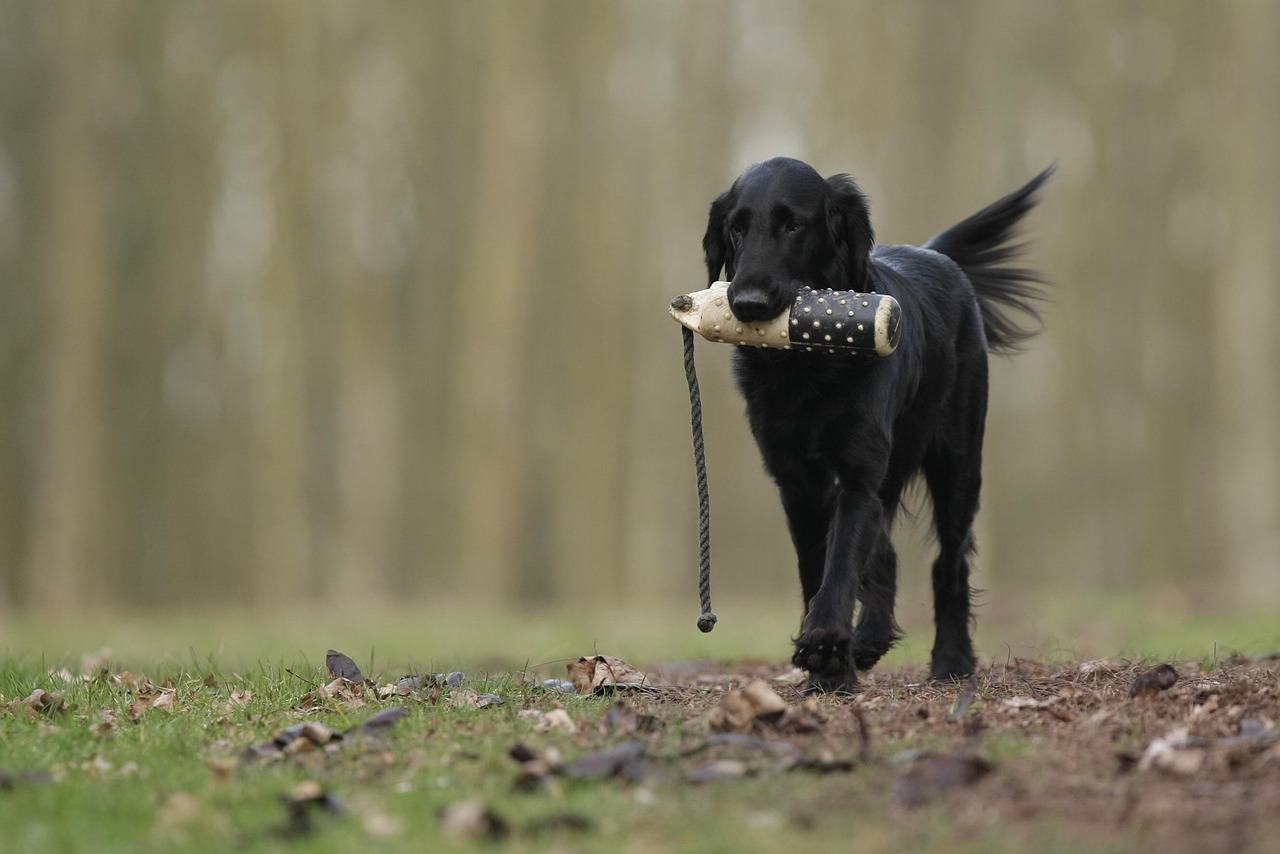
Puppyhood is a delightful time filled with playful antics and boundless energy, but it also comes with its fair share of challenges, especially when your adorable furball starts whining. Understanding why puppies whine and knowing how to address it effectively is crucial for both your sanity and your puppy’s well-being. This comprehensive guide provides proven strategies to help you understand and stop your puppy’s whining, fostering a happy and harmonious home.
Understanding Why Puppies Whine
Whining is a primary form of communication for puppies, just like crying is for human babies. Before you can effectively stop the whining, you need to decipher the underlying reason behind it.
Common Reasons for Puppy Whining
- Need for Attention: Puppies crave attention and may whine to get you to play with them, feed them, or simply acknowledge their presence.
Example: Your puppy might whine when you’re working at your desk, hoping you’ll stop and give them some petting.
- Hunger or Thirst: A hungry or thirsty puppy will often whine to let you know their needs aren’t being met.
Example: If it’s been a few hours since their last meal, the whining might be a signal for food.
- Potty Break Required: Young puppies have small bladders and need frequent potty breaks. Whining can indicate they need to go outside.
Example: Whining near the door, especially after waking up or eating, often means they need to relieve themselves.
- Anxiety or Fear: New environments, loud noises, or separation from their owners can trigger anxiety and lead to whining.
Example: A puppy might whine during a thunderstorm or when left alone for the first time.
- Medical Issues: In some cases, whining can be a sign of pain or discomfort. If the whining is sudden, persistent, and accompanied by other symptoms, it’s important to consult a veterinarian.
Example: Whining while trying to stand or walk might indicate a joint issue.
Differentiating Between Types of Whining
It’s important to distinguish between different types of whining to address the root cause effectively. Pay close attention to the context:
- Attention-Seeking Whining: Often accompanied by behaviors like nudging, pawing, or barking softly.
- Need-Related Whining: Usually happens at specific times, such as before meal times or after waking up.
- Anxiety-Related Whining: Can be accompanied by trembling, pacing, or hiding.
- Pain-Related Whining: May be sudden, persistent, and accompanied by limping or reluctance to move.
Establishing a Routine
A consistent routine can significantly reduce puppy whining by providing predictability and security.
Feeding Schedule
- Regular Meal Times: Feed your puppy at the same times each day to prevent hunger-related whining. Measure food portions carefully based on your puppy’s age, breed, and activity level.
Actionable Tip: Set alarms on your phone to remind you of feeding times.
- Water Availability: Ensure your puppy always has access to fresh, clean water.
Actionable Tip: Use a water bowl that’s easy for your puppy to reach but difficult to tip over.
Potty Break Schedule
- Frequent Potty Breaks: Take your puppy outside frequently, especially after waking up, eating, and playing.
Actionable Tip: Puppies typically need to relieve themselves every 2-3 hours.
- Designated Potty Spot: Choose a specific spot in your yard for your puppy to use as their bathroom. This helps them learn where to go.
Actionable Tip: Use a verbal cue like “Go potty” when you take them to their spot.
Sleep Schedule
- Consistent Bedtime: Establish a consistent bedtime routine to promote restful sleep and reduce anxiety.
Actionable Tip: Dim the lights and create a calm environment before bedtime.
- Comfortable Sleeping Area: Provide a comfortable and safe sleeping area, such as a crate or dog bed.
Actionable Tip: Add a soft blanket and a toy to their sleeping area to make it more inviting.
Ignoring Attention-Seeking Whining (When Appropriate)
Ignoring attention-seeking whining can be challenging, but it’s often the most effective way to stop the behavior.
The Principle of Extinction
- Extinction: This behavioral principle states that if a behavior is no longer rewarded, it will eventually decrease and disappear.
Example: If your puppy whines for attention and you consistently ignore them, they will eventually learn that whining doesn’t get them what they want.
How to Ignore Effectively
- Consistent Ignoring: It’s crucial to be consistent. Any attention, even negative attention like scolding, can reinforce the whining behavior.
Actionable Tip: Turn your back, avoid eye contact, and don’t speak to your puppy when they’re whining for attention.
- Reward Quiet Behavior: When your puppy is quiet, offer praise and attention. This reinforces the desired behavior.
Actionable Tip: Keep treats or toys nearby so you can quickly reward quiet moments.
- Be Patient: It can take time for your puppy to learn that whining doesn’t work. Don’t give up after a few attempts.
Data: Studies show that consistent ignoring can reduce attention-seeking behaviors in dogs by up to 80% over several weeks.
When Not to Ignore
- Rule Out Needs: Before ignoring, always make sure your puppy doesn’t need to go potty, is hungry, or is in pain.
- Sudden Whining: If your puppy suddenly starts whining, investigate the cause. It could be a sign of a medical issue or injury.
Addressing Anxiety and Fear
Anxiety and fear are common causes of whining in puppies. Addressing these emotions effectively is crucial for their well-being.
Identifying Anxiety Triggers
- Observe Your Puppy: Pay attention to situations that trigger anxiety, such as loud noises, being left alone, or meeting new people.
Example: Your puppy might whine when you grab your keys because they associate it with you leaving.
Counter-Conditioning and Desensitization
- Counter-Conditioning: This involves changing your puppy’s emotional response to a trigger by associating it with something positive.
Example: If your puppy is afraid of the vacuum cleaner, give them treats while the vacuum is running in the distance. Gradually move the vacuum closer as they become more comfortable.
- Desensitization: This involves gradually exposing your puppy to the trigger in a controlled and safe environment.
Example: If your puppy is afraid of strangers, start by having them observe people from a distance. Gradually decrease the distance as they become more comfortable.
Creating a Safe Space
- Crate Training: A crate can provide a sense of security for anxious puppies.
Actionable Tip: Make the crate a positive space by feeding your puppy meals inside and providing comfortable bedding. Never use the crate as punishment.
- Calming Aids: Consider using calming aids such as pheromone diffusers or anxiety wraps. Consult with your veterinarian for recommendations.
Data: Studies have shown that pheromone diffusers can reduce anxiety-related behaviors in dogs by up to 70%.
Separation Anxiety
- Gradual Departures: Practice leaving your puppy alone for short periods and gradually increase the duration.
Actionable Tip: Start with just a few minutes and gradually work your way up to longer periods.
- Enrichment Activities: Provide your puppy with engaging toys and activities to keep them occupied while you’re gone.
Example: Puzzle toys, stuffed Kongs, and chew toys can help prevent boredom and anxiety.
Training and Socialization
Proper training and socialization are essential for a well-adjusted and less whiny puppy.
Basic Obedience Training
- Positive Reinforcement: Use positive reinforcement techniques, such as treats and praise, to teach basic commands like sit, stay, and come.
Actionable Tip: Keep training sessions short and fun to maintain your puppy’s attention.
- Consistency: Be consistent with your commands and expectations.
Actionable Tip: Use the same verbal cues and hand signals for each command.
Socialization
- Exposure to New Experiences: Expose your puppy to a variety of people, places, and sounds to help them become well-socialized.
Actionable Tip: Start with short, positive interactions and gradually increase the duration and intensity as your puppy becomes more comfortable.
- Puppy Classes: Enroll your puppy in a puppy class to learn basic obedience and socialize with other dogs.
Data: Puppies who attend socialization classes are less likely to develop behavioral problems later in life.
Mental Stimulation
- Puzzle Toys: Use puzzle toys to keep your puppy mentally stimulated and prevent boredom.
Example: Kong toys, treat balls, and interactive feeders can provide hours of entertainment.
- Training Games: Play training games to challenge your puppy and strengthen your bond.
Example: Hide-and-seek, fetch, and tug-of-war can be fun and engaging activities.
Conclusion
Stopping puppy whining requires patience, consistency, and a thorough understanding of your puppy’s needs. By identifying the underlying causes of the whining, establishing a routine, addressing anxiety, and providing proper training and socialization, you can help your puppy become a well-behaved and happy companion. Remember that every puppy is unique, and what works for one may not work for another. Consult with a veterinarian or certified dog trainer if you’re struggling to address your puppy’s whining effectively. With dedication and effort, you can create a harmonious and enjoyable life with your furry friend.