

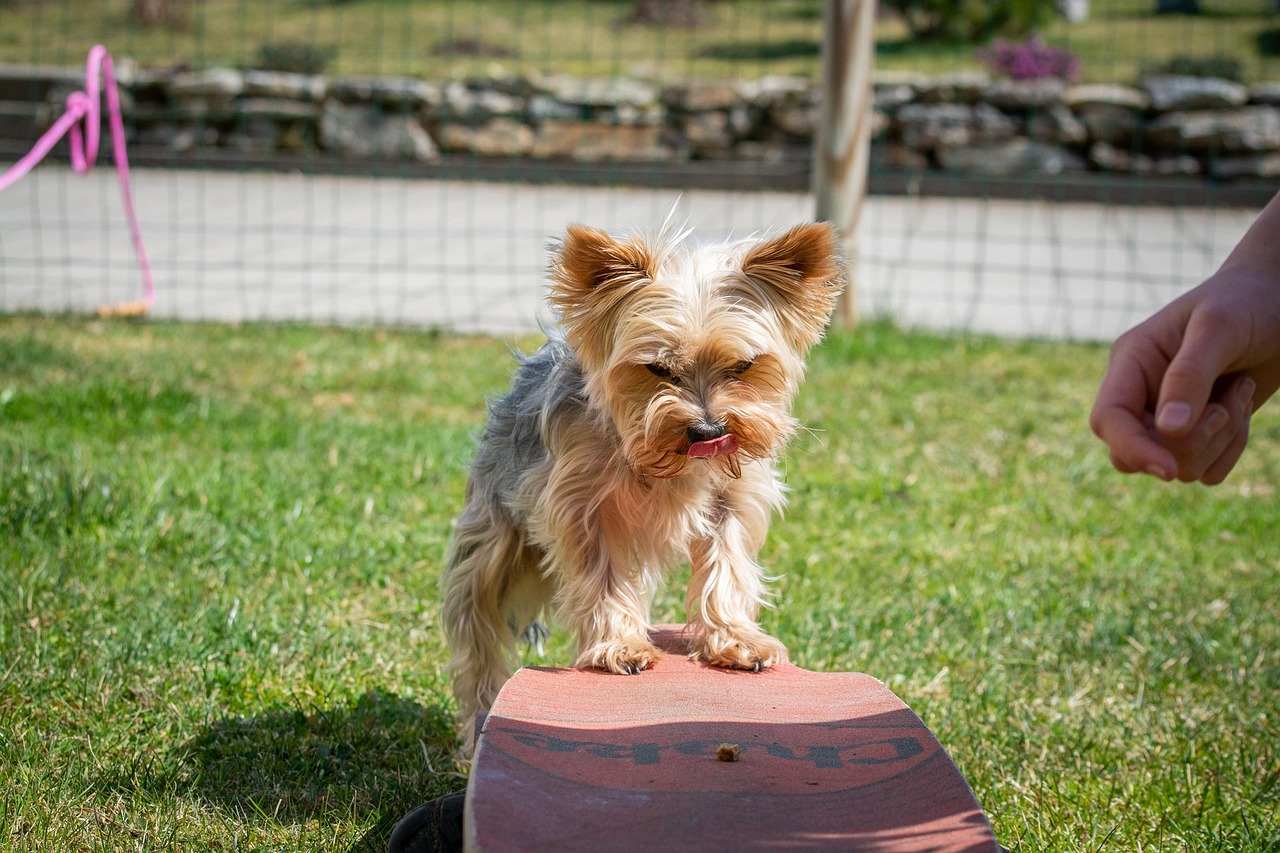
Bringing a rescue dog into your life is a rewarding experience, but it also comes with unique challenges. These dogs often have unknown histories, potential anxieties, and varying levels of training. Successfully integrating them into your home requires patience, understanding, and a tailored training approach. This guide provides a comprehensive overview of how to train a rescue dog, ensuring a positive transition and a strong bond between you and your new furry friend.
Understanding Your Rescue Dog
Assessing Your Dog’s Needs
Before diving into training, take the time to understand your rescue dog’s individual needs. This involves observing their behavior, identifying potential triggers, and understanding their personality.
- Observe their body language: Look for signs of stress, anxiety, or fear. This might include a tucked tail, flattened ears, lip licking, yawning, or excessive panting.
- Identify potential triggers: Certain noises, objects, or situations might cause your dog to react negatively. Keep a record of these triggers to avoid them during the initial adjustment period. Examples could be: men with hats, children on scooters, or vacuum cleaners.
- Consider their background: If possible, learn about your dog’s history from the rescue organization. Even limited information can provide valuable insights into their past experiences.
- Consult with professionals: A veterinarian or certified dog trainer can assess your dog’s physical and behavioral health, providing valuable recommendations for training and care.
Common Challenges with Rescue Dogs
Rescue dogs often face specific challenges that can impact their training. Being aware of these challenges will help you approach training with empathy and patience.
- Anxiety and fear: Many rescue dogs suffer from anxiety due to past trauma, abandonment, or lack of socialization.
- Trust issues: Building trust can take time, especially if your dog has experienced abuse or neglect.
- Separation anxiety: Being left alone can trigger anxiety in rescue dogs, leading to destructive behaviors.
- Resource guarding: Protecting food, toys, or space can be a sign of insecurity or past deprivation.
- Lack of socialization: Some rescue dogs have limited exposure to people, other animals, or different environments.
Creating a Safe and Comfortable Environment
Setting Up a Safe Zone
Provide your rescue dog with a safe and comfortable space where they can retreat when feeling overwhelmed.
- Choose a quiet area: Select a room or corner of your home that is relatively quiet and away from high-traffic areas.
- Provide a comfortable bed: Offer a soft bed or crate with blankets and familiar toys.
- Make it accessible: Ensure your dog can easily access their safe zone whenever they need it.
- Respect their space: Avoid forcing your dog to leave their safe zone or approaching them when they seem stressed or uncomfortable.
Establishing a Routine
A consistent routine can help your rescue dog feel more secure and predictable.
- Set regular feeding times: Feed your dog at the same time each day to establish a sense of stability.
- Create a consistent walking schedule: Take your dog for walks at the same time each day to provide exercise and mental stimulation.
- Implement a bedtime routine: Establish a relaxing bedtime routine to help your dog wind down and prepare for sleep. This could involve a gentle massage or quiet playtime.
Basic Training Techniques
Positive Reinforcement
Positive reinforcement is the most effective and humane training method for rescue dogs.
- Use treats, praise, and toys: Reward your dog for desired behaviors with positive reinforcement.
- Keep training sessions short and fun: Aim for short, frequent training sessions to keep your dog engaged. 5-10 minutes several times a day is better than a single, long session.
- Focus on rewarding good behavior: Catch your dog doing something right and reward them immediately.
- Avoid punishment: Punishment can damage your relationship with your dog and create fear and anxiety.
Essential Commands
Start with basic commands like “sit,” “stay,” “come,” and “down.”
- “Sit”: Hold a treat in front of your dog’s nose and move it up and back, encouraging them to sit. As they sit, say “sit” and reward them with the treat.
- “Stay”: Ask your dog to sit or lie down, then say “stay” and hold your hand up. Gradually increase the duration of the stay.
- “Come”: Say “come” in a cheerful voice and encourage your dog to come to you. Reward them with praise and a treat when they reach you.
- “Down”: Hold a treat in front of your dog’s nose and move it down towards the ground, encouraging them to lie down. As they lie down, say “down” and reward them with the treat.
Leash Training
Leash training is essential for safety and control during walks.
- Start with a comfortable collar or harness: Choose a collar or harness that fits properly and is comfortable for your dog.
- Introduce the leash gradually: Allow your dog to wear the leash indoors for short periods to get used to it.
- Use positive reinforcement: Reward your dog for walking nicely on a leash.
- Avoid pulling: If your dog pulls on the leash, stop walking and wait for them to relax before continuing. Consider using a front-clip harness to help control pulling.
Addressing Specific Behavioral Issues
Separation Anxiety
Separation anxiety can be a challenging issue to address.
- Start with short absences: Gradually increase the amount of time you leave your dog alone.
- Provide enrichment: Offer puzzle toys or interactive games to keep your dog entertained while you’re gone.
- Create a calming routine: Establish a calming routine before you leave, such as a relaxing walk or gentle massage.
- Consider professional help: If separation anxiety is severe, consult with a veterinarian or certified dog trainer. They may recommend medication or behavioral therapy.
Resource Guarding
Resource guarding can be a sign of insecurity.
- Avoid taking things away: Do not take food, toys, or other items away from your dog without trading them for something of equal or greater value.
- Hand-feed: Hand-feed your dog some of their meals to build trust and association with you as a provider.
- Add food to the bowl: While your dog is eating, approach the bowl and add a high-value treat. This helps them associate your approach with positive experiences.
- Seek professional guidance: If resource guarding is severe or aggressive, consult with a certified dog trainer or behaviorist.
Fear and Anxiety
Helping a fearful or anxious dog requires patience and understanding.
- Identify triggers: Determine what situations or objects cause your dog to become fearful or anxious.
- Desensitize and counter-condition: Gradually expose your dog to their triggers in a safe and controlled environment, pairing the trigger with something positive, such as treats or praise.
- Create positive associations: Associate the triggers with positive experiences to change your dog’s emotional response. For example, if your dog is afraid of men with hats, have a male friend wearing a hat calmly approach and offer a treat.
- Provide a safe space: Ensure your dog has a safe space where they can retreat when feeling overwhelmed.
Conclusion
Training a rescue dog requires a commitment to understanding their unique needs and challenges. By creating a safe environment, establishing a routine, using positive reinforcement, and addressing specific behavioral issues, you can help your rescue dog overcome their past and thrive in their new home. Remember that patience, consistency, and empathy are key to building a strong bond and a successful training journey. Seek professional guidance from a veterinarian or certified dog trainer when needed. Your efforts will be rewarded with a loyal and loving companion who will enrich your life in countless ways.