

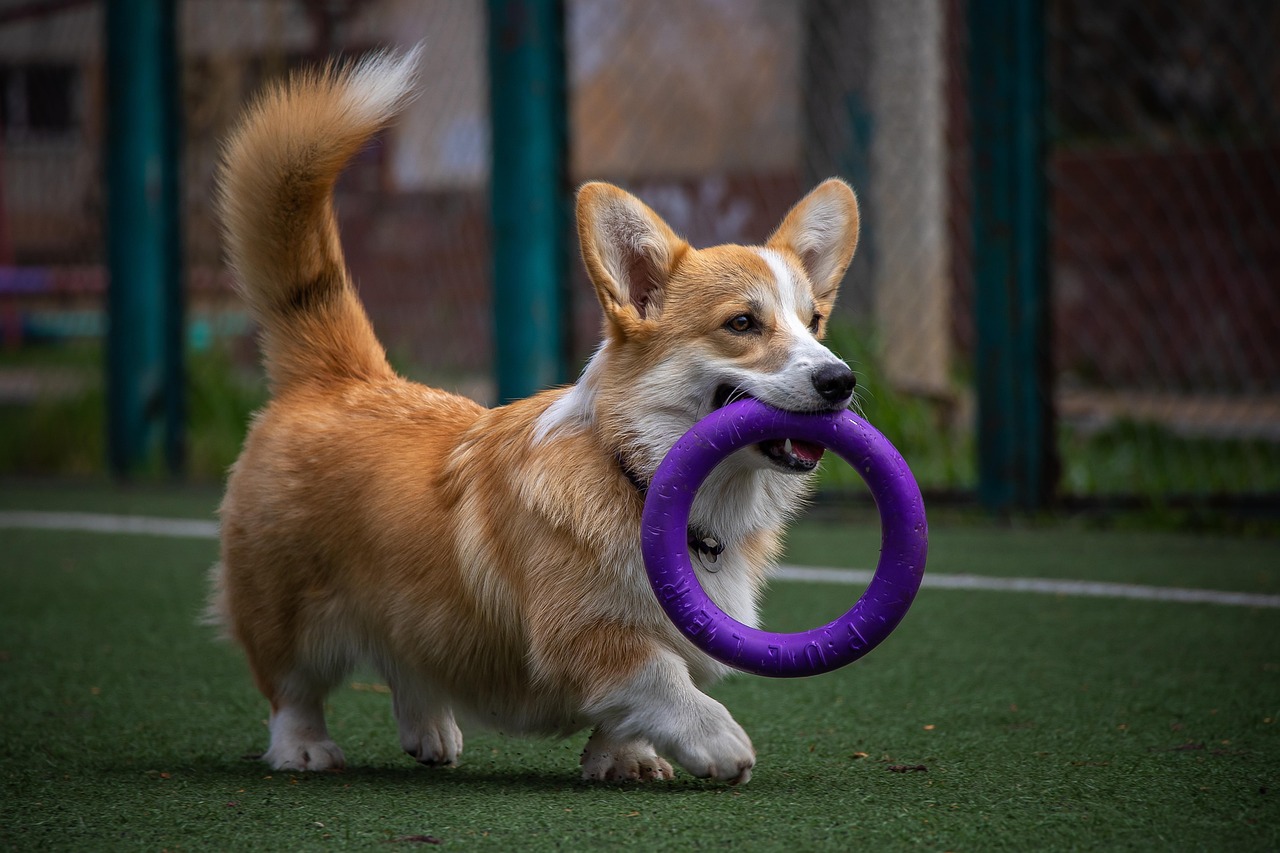
Is your furry friend bouncing off the walls? Does “fetch” turn into a five-mile marathon you never signed up for? You’re not alone! Many dog owners struggle with hyperactive pups. The good news is, with the right training techniques, consistent effort, and a little patience, you can help your energetic companion channel their enthusiasm into positive behaviors and a more relaxed demeanor. Let’s dive into how to train a hyper dog and bring some zen into your household.
Understanding Hyperactivity in Dogs
What Causes Hyperactivity?
Understanding the root cause of your dog’s high energy is crucial before starting any training program. Hyperactivity can stem from several factors:
- Breed Predisposition: Certain breeds, like Border Collies, Jack Russell Terriers, and Australian Shepherds, are naturally more energetic due to their breeding history for herding or hunting.
- Lack of Exercise: Insufficient physical activity can lead to pent-up energy that manifests as hyperactivity.
- Lack of Mental Stimulation: Boredom can contribute significantly to a dog’s restlessness.
- Diet: Certain ingredients or high sugar content in dog food can sometimes contribute to hyperactivity.
- Medical Conditions: In rare cases, underlying medical issues might contribute to hyperactivity. Consulting with your vet is always recommended to rule out any health concerns.
- Puppyhood: Puppies naturally have a lot of energy as they are learning and exploring the world. This doesn’t necessarily mean they are hyperactive.
Recognizing the Signs of Hyperactivity
Identifying the signs of hyperactivity is the first step towards addressing the issue. Common indicators include:
- Excessive barking or whining
- Inability to settle down or relax
- Destructive behavior (chewing, digging)
- Constant pacing or restlessness
- Difficulty focusing during training sessions
- Jumping on people excessively
According to a study published in the Journal of Veterinary Behavior, dogs exhibiting these behaviors often benefit from a combination of physical exercise, mental stimulation, and behavior modification techniques.
Meeting Your Dog’s Exercise Needs
Types of Exercise
Exercise is paramount for a hyper dog. Simply letting your dog out in the yard isn’t always enough. Different types of exercise target different needs:
- Aerobic Exercise: Activities like running, swimming, or playing fetch help burn off excess energy. Aim for at least 30-60 minutes of aerobic exercise daily, depending on your dog’s breed and age.
- Strength Training: Incorporate activities like uphill walks or playing tug-of-war to build muscle and tire your dog out.
- Mental Exercise: Puzzle toys, training sessions, and scent work can mentally exhaust your dog, leading to a calmer state.
Creating an Exercise Routine
Consistency is key. Establish a daily exercise routine to help regulate your dog’s energy levels.
- Morning Walk: A brisk walk before breakfast can set a calmer tone for the day.
- Afternoon Play Session: A dedicated play session, whether it’s fetch in the park or a game of frisbee, can burn off excess energy.
- Evening Stroll: A shorter, more relaxed walk in the evening can help your dog wind down before bedtime.
Consider incorporating interactive toys that dispense treats as your dog plays, combining physical and mental stimulation.
Providing Mental Stimulation
Puzzle Toys and Games
Mental stimulation is just as important as physical exercise. Dogs, especially intelligent breeds, need to be challenged mentally to prevent boredom and destructive behaviors.
- Puzzle Toys: Kong toys, treat balls, and interactive puzzles require your dog to problem-solve to access rewards.
- Scent Work: Hide treats around the house and encourage your dog to use their nose to find them. This is a great way to engage their natural instincts and tire them out.
- Training Sessions: Short, frequent training sessions (5-10 minutes each) can provide mental stimulation and reinforce good behavior.
Learning New Tricks
Teaching your dog new tricks is a fun and engaging way to provide mental stimulation.
- Start with Basic Commands: Reinforce basic commands like sit, stay, and come.
- Introduce More Complex Tricks: Once your dog masters the basics, move on to more complex tricks like rolling over, playing dead, or weaving through your legs.
- Use Positive Reinforcement: Reward your dog with treats and praise when they perform the desired behavior.
Behavior Modification Techniques
Positive Reinforcement Training
Positive reinforcement is the most effective way to train a hyper dog. Focus on rewarding desired behaviors and ignoring or redirecting unwanted ones.
- Reward Good Behavior: When your dog is calm and relaxed, offer praise and treats. This reinforces the idea that calmness is a desirable state.
- Ignore Unwanted Behavior: If your dog starts jumping or barking for attention, ignore them until they calm down. Then, reward them with attention.
- Use a Clicker: A clicker can be used to mark the exact moment your dog performs the desired behavior, followed by a treat.
Impulse Control Exercises
Impulse control exercises can help your dog learn to control their excitement and respond to commands even when they’re feeling energetic.
- “Wait” Command: Teach your dog to wait before eating, going through doorways, or getting out of the car.
- “Leave It” Command: Teach your dog to leave items alone when you tell them to. This is especially useful for preventing them from grabbing things they shouldn’t.
- Practice Regularly: Incorporate impulse control exercises into your daily routine to reinforce good behavior.
Addressing Specific Problem Behaviors
Identify and address specific behaviors contributing to the hyperactive presentation.
- Jumping: If your dog jumps on people, teach them an alternative behavior, such as sitting, when greeting guests.
- Excessive Barking: Determine the cause of the barking and address it. If it’s attention-seeking, ignore the barking until it stops, then reward the quiet behavior. If it’s territorial, manage the environment to reduce triggers.
- Destructive Chewing: Provide plenty of appropriate chew toys and redirect your dog’s attention when they start chewing on something they shouldn’t.
Creating a Calm Environment
Establishing a Routine
A consistent daily routine can help reduce anxiety and hyperactivity in dogs. Predictability provides a sense of security.
- Consistent Feeding Times: Feed your dog at the same time each day.
- Regular Exercise Schedule: Stick to a regular exercise schedule to help regulate their energy levels.
- Designated Rest Areas: Provide a comfortable and quiet space where your dog can relax and unwind.
Reducing Stressors
Identify and minimize stressors in your dog’s environment.
- Loud Noises: If your dog is sensitive to loud noises, provide a safe space where they can retreat during thunderstorms or fireworks.
- Separation Anxiety: If your dog suffers from separation anxiety, gradually acclimate them to being alone by starting with short periods of separation and gradually increasing the duration.
- Socialization: Expose your dog to a variety of people, dogs, and environments in a controlled and positive manner to help them become well-adjusted.
Calming Aids
Consider using calming aids to help your dog relax.
- Pheromone Diffusers: Products like Adaptil release synthetic pheromones that can help reduce anxiety in dogs.
- Calming Supplements: Certain supplements, such as L-theanine and chamomile, can have a calming effect. Consult with your veterinarian before using any supplements.
- Calming Music: Playing calming music, such as classical music or reggae, can help create a relaxing atmosphere.
Conclusion
Training a hyper dog requires a multi-faceted approach that addresses their physical, mental, and emotional needs. By understanding the underlying causes of hyperactivity, providing ample exercise and mental stimulation, implementing positive reinforcement techniques, and creating a calm environment, you can help your energetic companion channel their enthusiasm into positive behaviors and a more balanced demeanor. Remember that consistency and patience are key, and celebrating small victories along the way will make the journey more enjoyable for both you and your furry friend. If you continue to struggle, consider seeking guidance from a certified professional dog trainer or veterinary behaviorist.