

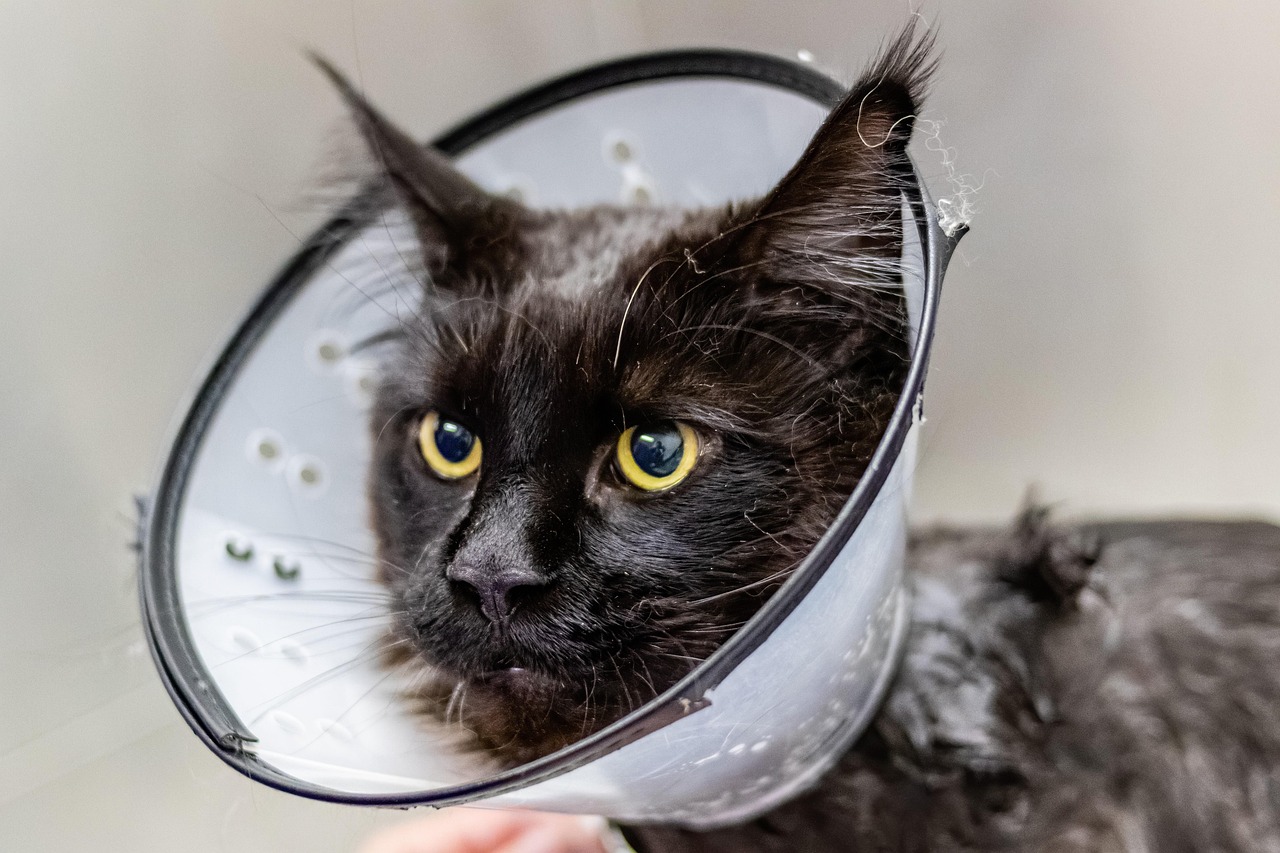
A healthy pet is a happy pet, and preventative care like vaccinations is a cornerstone of their well-being. Navigating the world of pet vaccines can feel overwhelming, with numerous options and recommendations to consider. This guide breaks down everything you need to know about pet vaccinations, empowering you to make informed decisions in partnership with your veterinarian, ensuring your furry friend lives a long, healthy, and vibrant life.
Understanding Pet Vaccines
Vaccines are a crucial part of preventative healthcare for pets. They work by exposing your animal’s immune system to a weakened or inactive form of a disease-causing agent (a pathogen). This “training” allows the immune system to recognize and fight off the real pathogen if encountered in the future.
How Vaccines Work
Vaccines essentially teach your pet’s immune system to recognize and combat specific diseases. Here’s a simplified breakdown:
- Exposure: A harmless version of the disease is introduced into the body.
- Recognition: The immune system recognizes the pathogen as foreign.
- Antibody Production: The body produces antibodies specifically designed to fight off that particular disease.
- Memory: The immune system “remembers” the pathogen, allowing for a rapid response if the real disease is ever encountered.
Types of Vaccines
There are two main types of vaccines:
- Core Vaccines: These are considered essential for all pets of a specific species, regardless of lifestyle, because they protect against common and potentially life-threatening diseases.
Example (Dogs): Canine distemper virus (CDV), canine parvovirus (CPV), canine adenovirus (CAV, also known as canine infectious hepatitis), and rabies.
Example (Cats): Feline viral rhinotracheitis (FVR), feline calicivirus (FCV), feline panleukopenia (FPV), and rabies.
- Non-Core Vaccines: These are recommended based on your pet’s lifestyle, risk of exposure, and geographic location. Your vet will assess your pet’s individual needs to determine which non-core vaccines are appropriate.
Example (Dogs): Bordetella (kennel cough), canine influenza, Lyme disease, Leptospirosis.
Example (Cats): Feline leukemia virus (FeLV), Chlamydophila felis, Bordetella bronchiseptica.
Core Vaccines: Protecting Your Pet From Serious Diseases
Core vaccines are the foundation of your pet’s preventative health plan. These are essential for protecting against diseases that are highly contagious, potentially fatal, and widespread.
Core Dog Vaccines
The core vaccines for dogs typically include:
- Distemper: A severe viral disease affecting the respiratory, gastrointestinal, and nervous systems.
- Parvovirus: A highly contagious virus that causes severe vomiting and diarrhea, especially dangerous in puppies.
- Adenovirus (Infectious Hepatitis): Affects the liver, kidneys, eyes, and blood vessels. Often given as a combination vaccine with distemper and parvovirus (DHPP or DAPP).
- Rabies: A fatal viral disease affecting the nervous system. Legally required in most areas.
- Practical Example: A puppy receives its first DHPP vaccine around 6-8 weeks of age, followed by booster shots every 3-4 weeks until they are approximately 16 weeks old. This series of shots ensures they develop adequate immunity as their maternal antibodies wane.
Core Cat Vaccines
The core vaccines for cats typically include:
- Feline Viral Rhinotracheitis (FVR): A common upper respiratory disease.
- Feline Calicivirus (FCV): Another common upper respiratory disease, often causing oral ulcers.
- Feline Panleukopenia (FPV): A highly contagious and deadly disease, also known as feline distemper.
- Rabies: A fatal viral disease affecting the nervous system. Legally required in most areas.
- Practical Example: A kitten receives its first FVRCP vaccine around 6-8 weeks of age, followed by booster shots every 3-4 weeks until they are approximately 16 weeks old. Rabies vaccine is typically administered around 12-16 weeks of age.
Non-Core Vaccines: Tailoring Protection to Your Pet’s Lifestyle
Non-core vaccines are recommended based on individual risk factors, lifestyle, and geographical location. Discussing your pet’s daily activities and potential exposures with your veterinarian is crucial to determine which non-core vaccines are necessary.
Non-Core Dog Vaccines: Examples and Considerations
- Bordetella (Kennel Cough): Recommended for dogs that frequent boarding facilities, dog parks, grooming salons, or participate in dog shows.
- Canine Influenza: Protects against specific strains of influenza virus. Recommended for dogs that socialize with other dogs in communal settings.
- Lyme Disease: Recommended for dogs living in or traveling to areas where Lyme disease is prevalent (transmitted by ticks).
- Leptospirosis: A bacterial disease transmitted through contaminated water or urine. Recommended for dogs that spend time outdoors, especially near standing water.
- Canine Parainfluenza Virus: Often included with kennel cough vaccines.
- Example: A dog that regularly attends doggie daycare should receive the Bordetella vaccine to minimize the risk of contracting kennel cough.
Non-Core Cat Vaccines: Examples and Considerations
- Feline Leukemia Virus (FeLV): Recommended for kittens and cats that spend time outdoors or live with other cats that may be infected.
- Chlamydophila felis: A bacterial infection causing conjunctivitis (eye infection). Recommended for cats in multi-cat households or shelters.
- Bordetella bronchiseptica: Can cause upper respiratory infections in cats, particularly in shelter settings.
- Example: An outdoor cat that frequently engages in fights with other cats should be vaccinated against FeLV.
Understanding Vaccination Schedules and Boosters
Vaccination schedules are designed to provide optimal protection throughout your pet’s life. Puppies and kittens require a series of vaccinations to build strong immunity, while adult pets need booster shots to maintain their protection over time.
Puppy and Kitten Vaccination Schedules
- Puppies: Generally start receiving core vaccines around 6-8 weeks of age, with booster shots every 3-4 weeks until they are approximately 16 weeks old. This ensures they are protected as their maternal antibodies wane.
- Kittens: Similar to puppies, kittens begin their core vaccine series around 6-8 weeks of age, with boosters every 3-4 weeks until they are approximately 16 weeks old.
- Important Note: The exact schedule may vary slightly depending on the specific vaccine used and your veterinarian’s recommendations.
Booster Shots for Adult Pets
- Core Vaccines: Many core vaccines require booster shots every 1-3 years to maintain adequate protection.
- Non-Core Vaccines: Booster frequency for non-core vaccines depends on the specific vaccine and your pet’s ongoing risk factors.
- Example: Your vet may recommend a rabies booster every three years, while a Lyme disease booster may be needed annually if your dog remains at high risk.
Addressing Common Concerns About Pet Vaccines
While vaccines are generally safe and effective, some pet owners have concerns about potential side effects. It’s important to have accurate information to address these concerns and make informed decisions.
Potential Side Effects
Most pets experience only mild and temporary side effects after vaccination. These may include:
- Soreness or swelling at the injection site.
- Mild fever.
- Lethargy or decreased appetite.
These side effects usually resolve within 24-48 hours. However, in rare cases, more serious reactions can occur.
Serious Adverse Reactions
Serious adverse reactions to vaccines are rare, but can include:
- Allergic reaction (anaphylaxis): Symptoms may include facial swelling, difficulty breathing, vomiting, and collapse. This requires immediate veterinary attention.
- Vaccine-associated sarcoma (cats): A rare type of tumor that can develop at the injection site.
- Important Note:* If you notice any signs of a serious adverse reaction after your pet receives a vaccine, contact your veterinarian immediately.
Talking to Your Veterinarian
The best way to address your concerns about pet vaccines is to have an open and honest conversation with your veterinarian. They can provide personalized recommendations based on your pet’s individual needs and risk factors. They can also explain the benefits and risks of each vaccine, allowing you to make an informed decision.
Conclusion
Vaccinating your pet is a vital step in protecting their health and well-being. By understanding the different types of vaccines, following recommended vaccination schedules, and addressing any concerns with your veterinarian, you can help ensure your furry companion lives a long, healthy, and happy life. Remember, preventative care is always the best approach to maintaining your pet’s optimal health. Regular check-ups and vaccinations will contribute significantly to their overall well-being and quality of life. Don’t hesitate to reach out to your veterinary clinic with any questions or concerns you may have.