

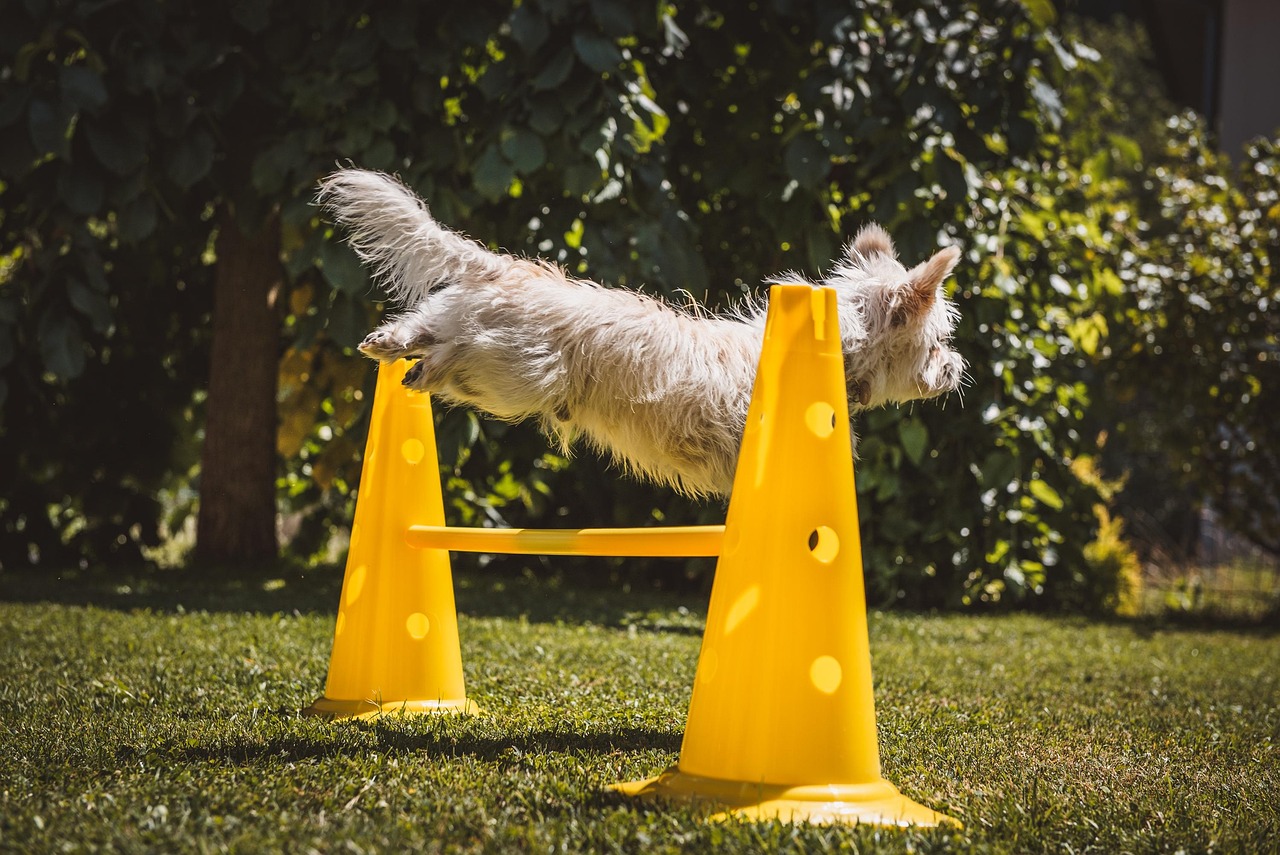
Imagine the freedom of letting your dog off-leash, knowing they’ll bound back to you instantly when called. A reliable dog recall isn’t just convenient; it’s a critical safety skill that can prevent accidents and build a stronger bond. It’s the cornerstone of responsible dog ownership, and with the right techniques, even the most easily distracted dog can master it. This guide will walk you through the steps to train a rock-solid recall, covering everything from foundational exercises to troubleshooting common challenges.
Why a Reliable Recall is Essential for Your Dog
Safety First: Avoiding Dangerous Situations
A strong recall is your dog’s lifeline in potentially hazardous situations. Imagine your dog spotting a squirrel near a busy road – a reliable recall can prevent them from running into traffic.
- Prevention of escapes: Prevents your dog from running away or getting lost.
- Avoiding altercations: Allows you to call your dog back from approaching other dogs or people if you sense a potential issue.
- Emergency situations: Enables you to quickly retrieve your dog in unexpected or dangerous scenarios.
Studies show that dogs with a strong recall are significantly less likely to be involved in accidents. In a recent survey, dog owners who reported consistent recall success also reported 50% fewer emergency vet visits related to off-leash incidents.
Building a Stronger Bond
Recall training isn’t just about obedience; it’s about building trust and communication with your dog. Every successful recall reinforces your bond and strengthens your dog’s desire to be with you.
- Improved communication: Enhances your ability to communicate with your dog effectively.
- Increased trust: Reinforces the bond between you and your dog.
- Positive reinforcement: Uses positive reinforcement, making training enjoyable for both you and your dog.
Enjoying Off-Leash Freedom
A reliable recall allows you and your dog to enjoy off-leash adventures without constant worry. This freedom provides your dog with opportunities to explore, socialize, and exercise in a safe and controlled manner.
- Opportunities for exploration: Lets your dog explore their environment safely.
- Socialization opportunities: Allows for safe interaction with other dogs and people in controlled settings.
- Enhanced exercise: Provides more freedom for physical activity and mental stimulation.
Laying the Foundation: Basic Training Principles
Choosing the Right Reward
High-value rewards are key to successful recall training. These are treats or toys that your dog finds exceptionally appealing and is willing to work for. Experiment to find what motivates your dog most.
- Food rewards: Small, easily consumed treats like cooked chicken, cheese, or commercial dog treats.
- Toy rewards: A favorite ball, tug rope, or squeaky toy.
- Verbal praise: Enthusiastic and genuine praise, like “Good boy!” or “Yes!”
Example: If your dog loves cheese, reserve small pieces of cheese specifically for recall training. This makes the reward extra special and increases your dog’s motivation.
Introducing the Recall Command
Choose a clear, consistent recall command. “Come,” “Here,” or “Recall” are all good options. The most important thing is to stick with the same word consistently.
- Clear pronunciation: Use a clear and enthusiastic tone of voice.
- Consistency: Use the same command every time.
- Positive association: Always pair the command with a positive experience.
Example: Start in a quiet, distraction-free environment. Say your dog’s name followed by the recall command (“[Dog’s Name], Come!”). When they come to you, immediately reward them with the high-value treat and praise.
The Power of Positive Reinforcement
Positive reinforcement focuses on rewarding desired behaviors to encourage repetition. Avoid punishment or harsh corrections, as these can create fear and anxiety, making recall training less effective.
- Reward immediately: Give the reward as soon as your dog comes to you.
- Be enthusiastic: Show your dog how happy you are when they respond to the command.
- Avoid punishment: Never punish your dog for coming to you, even if it takes them a while.
Building Distance and Adding Distractions
Practicing in Different Environments
Once your dog reliably responds to the recall command in a quiet environment, gradually introduce distractions and increase the distance between you and your dog. Start with slightly distracting environments like your backyard and progress to more challenging locations like parks or trails.
- Start small: Begin with minimal distractions and gradually increase the level of difficulty.
- Backyard training: Practice recall in your backyard, gradually increasing the distance and adding distractions like toys or family members.
- Park training: Move to a local park, starting in quieter areas and gradually working towards more populated areas.
The Long Leash Technique
A long leash (15-30 feet) is a valuable tool for practicing recall in more open environments. It allows you to give your dog some freedom while still maintaining control.
- Controlled freedom: Allows your dog to explore while still being connected to you.
- Gentle guidance: Use the leash to gently guide your dog towards you if they hesitate.
- Reinforcement: Reward your dog immediately when they come to you.
Example: While your dog is on the long leash, let them wander a bit. Then, call them back using your recall command. If they don’t respond immediately, gently tug on the leash and repeat the command. When they come to you, reward them lavishly.
Counter-Conditioning for High-Value Distractions
If your dog is easily distracted by other dogs, squirrels, or interesting smells, counter-conditioning can help. This involves pairing the distraction with something positive, like a high-value treat.
- Identify distractions: Determine what distracts your dog most.
- Pair with rewards: When the distraction is present, immediately give your dog a high-value treat.
- Create positive associations: Over time, your dog will begin to associate the distraction with something positive.
Example: If your dog gets excited when they see another dog, start by keeping a distance. As soon as your dog notices the other dog, give them a high-value treat. Repeat this process over time, gradually decreasing the distance as your dog becomes more comfortable.
Addressing Common Recall Challenges
Dealing with Selective Hearing
If your dog seems to ignore your recall command at times, it could be due to inconsistent training, competing distractions, or a lack of positive reinforcement. Review your training techniques and ensure you’re using high-value rewards and minimizing distractions during practice.
- Review training methods: Assess your training techniques to identify areas for improvement.
- Reduce distractions: Practice in less distracting environments initially.
- Increase reward value: Use higher-value rewards to motivate your dog.
The “Come, But Then…” Syndrome
Some dogs will come when called but then hesitate or avoid you when they get close, especially if they anticipate being put back on the leash or ending playtime. Avoid this by occasionally calling your dog back, rewarding them, and then immediately releasing them to continue playing.
- Vary recall scenarios: Sometimes call your dog back for a treat and praise, then release them to play again.
- Positive leash associations: Pair the leash with positive experiences like walks and adventures.
- End on a high note: Always end training sessions with a successful recall and lots of praise.
Reactivity and Recall
For reactive dogs, a reliable recall is even more crucial. However, training a reactive dog requires patience and a specialized approach. Work with a qualified dog trainer experienced in reactivity to develop a tailored training plan.
- Seek professional help: Consult a certified dog trainer experienced in reactivity.
- Manage environment: Avoid situations that trigger reactivity during training.
- Gradual desensitization: Slowly expose your dog to triggers while rewarding calm behavior.
Conclusion
Mastering the dog recall is a journey that requires patience, consistency, and a positive approach. By following these guidelines, you can build a strong, reliable recall that will keep your dog safe and strengthen your bond. Remember to start slow, gradually increase distractions, and always end on a positive note. With dedication and consistent practice, you and your dog can enjoy the freedom and peace of mind that comes with a rock-solid recall.