

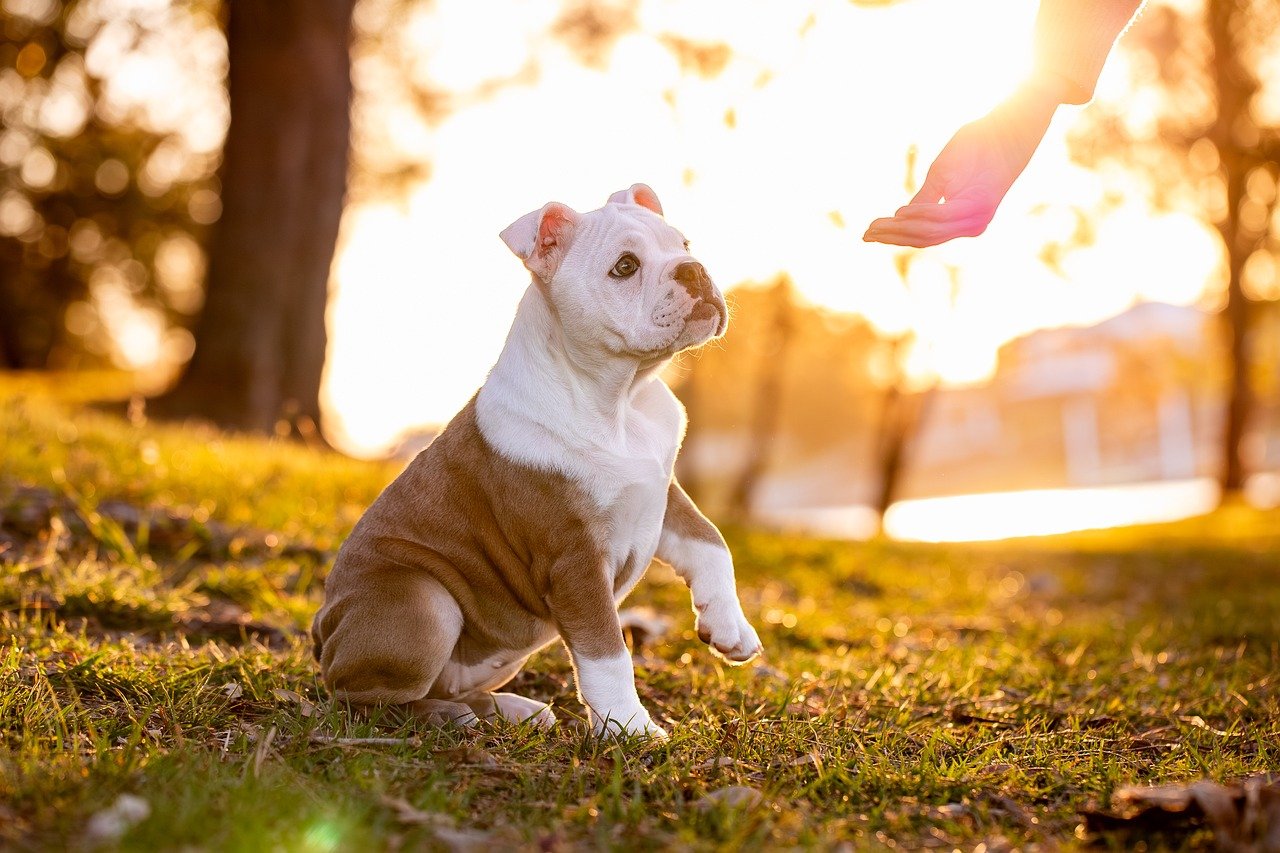
Bringing a new puppy into your home is an exciting time, filled with cuddles, playtime, and the promise of unconditional love. However, beneath the adorable fluff lies a crucial responsibility: socialization. Properly socializing your puppy during their critical developmental period is paramount to ensuring they grow into a well-adjusted, confident, and happy dog. This blog post provides detailed puppy socialization tips to help you navigate this important phase.
The Critical Period for Puppy Socialization
Understanding the Sensitive Window
The socialization period, generally between 3 and 16 weeks of age, is a crucial time for puppies to learn about the world around them. During this window, their brains are highly receptive to new experiences, and positive interactions can shape their behavior for life. Lack of socialization during this period can lead to fear, anxiety, and aggression later in life. According to the American Veterinary Society of Animal Behavior (AVSAB), inadequate socialization is a primary cause of behavior problems in adult dogs.
The Importance of Early Exposure
- Early exposure to a variety of sights, sounds, smells, people, and other animals helps puppies develop into confident and well-behaved adults.
- This exposure helps them learn to distinguish between normal and potentially threatening stimuli.
- Think of it like building a strong foundation – the broader and more varied the experiences, the more resilient the dog will be.
Vaccination Considerations
It’s important to balance socialization with your puppy’s health. Talk to your veterinarian about a safe socialization plan that minimizes the risk of disease before your puppy has completed its full vaccination series. They can often advise on puppy-safe environments, such as controlled puppy classes or playdates with vaccinated adult dogs.
Creating Positive Experiences
Gradual Introduction to New Things
- Introduce new experiences gradually and positively. Avoid overwhelming your puppy with too much, too soon.
- Start with short, controlled exposures and gradually increase the duration and intensity as your puppy becomes more comfortable.
- Example: If introducing your puppy to children, begin with a brief supervised interaction with one or two calm children. Allow the puppy to approach on their own terms, and reward calm behavior.
Using Positive Reinforcement
- Positive reinforcement, such as treats, praise, and toys, is essential for creating positive associations with new experiences.
- Reward your puppy for calm and confident behavior in new situations.
- Avoid punishment or scolding, as this can create fear and anxiety.
- Example: When introducing your puppy to the vacuum cleaner, turn it on briefly in another room. If your puppy remains calm, offer a treat and praise. Gradually decrease the distance between the puppy and the vacuum cleaner, rewarding calm behavior each step of the way.
Creating a “Safe Space”
- Ensure your puppy has a safe space where they can retreat when feeling overwhelmed or scared. This could be a crate, bed, or quiet corner.
- Never force your puppy to interact with something they’re afraid of.
- Allow them to approach new experiences at their own pace.
Exposure to Different Environments and Stimuli
Sounds and Sights
- Expose your puppy to a variety of everyday sounds, such as traffic, sirens, doorbells, and household appliances.
- Play recordings of these sounds at a low volume and gradually increase the volume as your puppy becomes more comfortable.
- Introduce your puppy to different sights, such as cars, bicycles, strollers, and people in various clothing.
- Example: Take your puppy for walks in different neighborhoods, exposing them to a variety of sights and sounds.
Surfaces and Textures
- Introduce your puppy to different surfaces, such as grass, concrete, wood, carpet, and tile.
- Walk them on different textures, such as gravel, sand, and uneven ground.
- This helps them develop confidence and coordination.
- Example: Create a sensory box with different textures for your puppy to explore. Include items like a piece of carpet, a smooth tile, and some artificial turf.
People of All Ages and Backgrounds
- Expose your puppy to people of all ages, races, sizes, and genders.
- Introduce them to people wearing hats, sunglasses, and other unusual clothing.
- Encourage positive interactions with children, teaching them how to interact respectfully with dogs.
- Example: Ask friends and family members to interact with your puppy, offering treats and praise. Make sure these interactions are always supervised.
Socializing with Other Animals
Controlled Interactions with Vaccinated Dogs
- Arrange playdates with vaccinated and well-socialized adult dogs.
- Supervise these interactions closely, and intervene if the play becomes too rough.
- Choose dogs with calm and friendly temperaments.
Introducing Other Species
- If you have other pets, introduce them gradually and under supervision.
- Allow the animals to get used to each other’s scents before allowing them to interact directly.
- Ensure each animal has a safe space to retreat to if needed.
- Example: If you have a cat, start by keeping them separated with a door between them. Allow them to sniff each other under the door before allowing short, supervised visits.
Puppy Classes
- Enrolling in a puppy socialization class is an excellent way to expose your puppy to other dogs in a safe and controlled environment.
- These classes also provide valuable training and guidance for owners.
- Look for classes taught by experienced and certified trainers.
Handling and Grooming
Gentle Handling Exercises
- Get your puppy used to being handled by gently touching their paws, ears, mouth, and tail.
- Reward them with treats and praise during these exercises.
- This will make vet visits and grooming much easier in the future.
- Example: Gently touch your puppy’s paws for a few seconds each day, gradually increasing the duration. Reward them with a treat and praise each time.
Introducing Grooming Tools
- Introduce your puppy to grooming tools, such as brushes, combs, and nail clippers.
- Allow them to sniff and explore the tools before using them.
- Start with short grooming sessions and gradually increase the duration as your puppy becomes more comfortable.
Car Rides
- Acclimate your puppy to car rides by starting with short trips and gradually increasing the length of the trips.
- Make the car a positive place by offering treats and toys during the ride.
- This will help prevent car sickness and anxiety.
Conclusion
Puppy socialization is a crucial investment in your dog’s future well-being. By understanding the critical period, creating positive experiences, exposing your puppy to a variety of stimuli, and practicing gentle handling, you can help them develop into a confident, well-adjusted, and happy companion. Remember to always prioritize your puppy’s safety and well-being, and consult with your veterinarian or a certified dog trainer if you have any concerns. The effort you put in now will pay dividends for years to come, ensuring a strong bond and a lifetime of happy memories with your furry friend.