

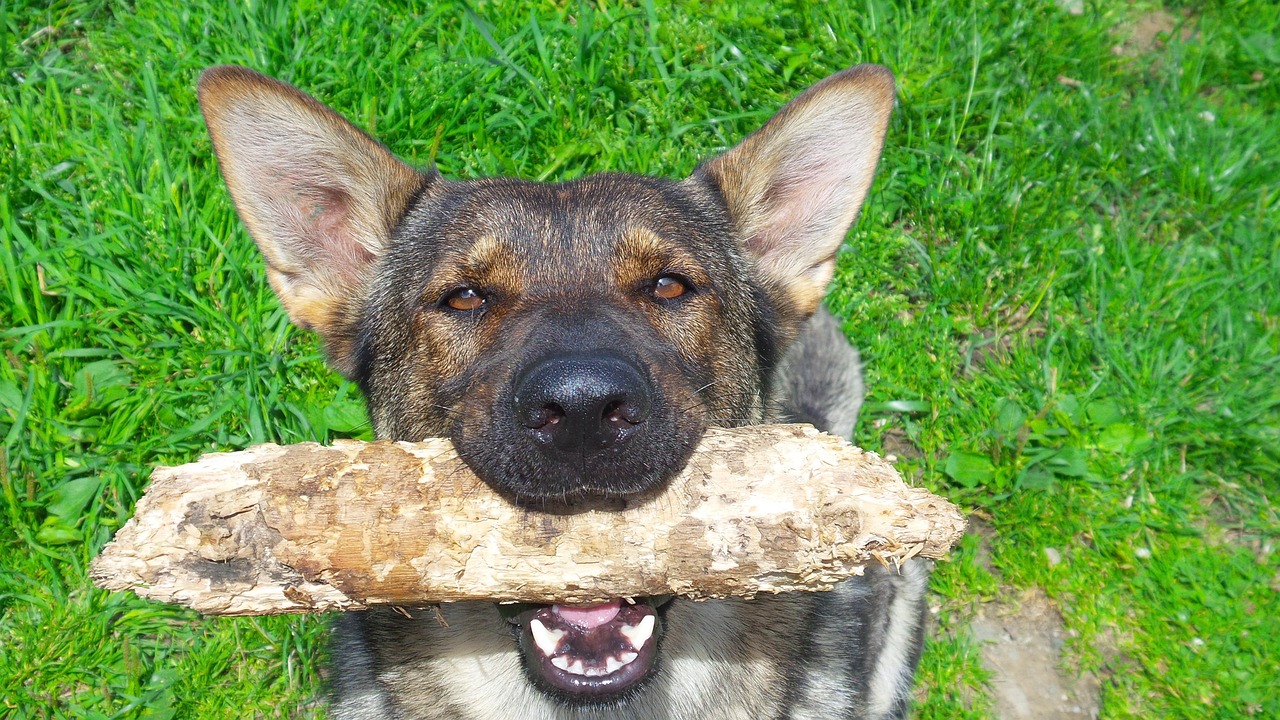
Turning a loyal companion into a reliable protector requires a dedicated and ethical approach. Training a guard dog is a serious undertaking that demands patience, consistency, and a deep understanding of canine behavior. This guide will walk you through the necessary steps, emphasizing responsible training methods and the importance of selecting the right dog for the job. Remember, the goal is to enhance your dog’s natural protective instincts, not to create an aggressive animal.
Choosing the Right Breed and Temperament
Selecting the right dog is the foundation of successful guard dog training. Not all breeds are suited for this role, and even within a breed, individual temperaments can vary greatly.
Breed Considerations
- Naturally Protective Breeds: Certain breeds are naturally predisposed to guarding due to their historical roles and inherent traits. Some popular choices include:
German Shepherds: Known for their intelligence, trainability, and strong protective instincts.
Rottweilers: Powerful and confident, Rottweilers are natural guardians with a loyal and devoted nature.
Doberman Pinschers: Alert, intelligent, and fearless, Dobermans are excellent watchdogs and protectors.
Belgian Malinois: Highly intelligent and energetic, Belgian Malinois require experienced handlers and consistent training.
- Breeds to Avoid: Breeds that are naturally gentle or overly friendly may not be suitable for guard dog training. This includes breeds like Golden Retrievers, Labrador Retrievers, and Beagles.
- Research is Key: Thoroughly research the breed you are considering, taking into account their exercise needs, grooming requirements, and potential health issues.
Assessing Temperament
- Selecting a Puppy: If choosing a puppy, look for one that is confident, curious, and shows a willingness to engage with new people and environments. Avoid puppies that are overly shy, fearful, or aggressive.
- Adopting an Adult Dog: When adopting an adult dog, work closely with a rescue organization or breeder to assess their temperament and history. A thorough evaluation by a professional trainer or behaviorist is highly recommended.
- Temperament Testing: Consider a temperament test to evaluate the dog’s reactivity to different stimuli, such as strangers, noises, and other animals.
Basic Obedience Training: The Foundation
Before you can begin guard dog training, your dog must have a solid foundation in basic obedience. This establishes clear communication and control, which are essential for safety and effectiveness.
Essential Commands
- Sit: Teach your dog to sit on command, regardless of distractions.
- Stay: Train your dog to remain in a specific position (sit, down, or stand) until released.
- Come: A reliable recall is crucial for controlling your dog in various situations.
- Down: Teach your dog to lie down on command, which can be used to de-escalate potentially aggressive situations.
- Leave it: This command teaches your dog to ignore or release an object, preventing them from picking up potentially harmful items or engaging in unwanted behaviors.
- Heel: Train your dog to walk politely on a leash, without pulling or lunging.
Positive Reinforcement Techniques
- Reward-Based Training: Use positive reinforcement techniques, such as treats, praise, and toys, to motivate your dog and reinforce desired behaviors.
- Consistency is Key: Be consistent with your commands and expectations. Everyone in the household should use the same commands and training methods.
- Short and Frequent Sessions: Keep training sessions short and frequent (10-15 minutes) to maintain your dog’s focus and enthusiasm.
Guard Dog Training Techniques
Once your dog has mastered basic obedience, you can begin introducing guard dog training exercises. These exercises should be conducted under the guidance of a qualified professional trainer.
Alert Training
- Bark on Command: Teach your dog to bark on command, such as when someone approaches the property.
- Alert to Suspicious Activity: Train your dog to alert you to unusual sounds or movements, such as someone trying to enter the property at night.
- Positive Association: Associate the desired alert behavior with a reward, such as praise or a treat.
Protection Training
- Controlled Aggression: Train your dog to exhibit controlled aggression only when necessary, such as when someone poses a threat to you or your family.
- Decoy Training: Use a trained decoy to simulate a threatening situation, allowing your dog to practice their protective skills in a controlled environment.
- Cease Command: Teach your dog a “cease” command to immediately stop any aggressive behavior. This is crucial for maintaining control and preventing accidental injuries.
Scenario Training
- Simulate Real-Life Situations: Practice different scenarios, such as someone approaching the door or attempting to enter the property.
- Vary the Scenarios: Vary the scenarios to keep your dog engaged and prepared for different situations.
- Gradual Progression: Gradually increase the difficulty of the scenarios as your dog progresses.
Socialization and Desensitization
Proper socialization and desensitization are crucial to ensure your guard dog is well-behaved and safe around people and other animals. A well-socialized guard dog can differentiate between a genuine threat and a harmless visitor.
Early Socialization
- Expose to Different Environments: Expose your dog to a variety of environments, people, and animals from a young age.
- Positive Experiences: Ensure that your dog has positive experiences during socialization, such as playing with other dogs or receiving treats from strangers.
- Puppy Classes: Enroll your puppy in socialization classes to provide structured opportunities for interaction with other dogs and people.
Desensitization Training
- Gradual Exposure: Gradually expose your dog to potentially stressful stimuli, such as loud noises or crowded places.
- Positive Reinforcement: Use positive reinforcement to reward your dog for remaining calm and relaxed in these situations.
- Counter-Conditioning: If your dog exhibits fear or anxiety in response to a particular stimulus, use counter-conditioning techniques to change their association with that stimulus.
Maintenance and Ongoing Training
Guard dog training is an ongoing process. Regular maintenance and ongoing training are essential to ensure your dog remains effective and reliable.
Regular Training Sessions
- Reinforce Commands: Regularly reinforce basic obedience and guard dog training commands.
- Practice Scenarios: Continue to practice different scenarios to keep your dog sharp and prepared.
- Stay Consistent: Maintain consistency with your training methods and expectations.
Professional Evaluation
- Regular Check-Ups: Schedule regular check-ups with a professional trainer to evaluate your dog’s progress and identify any areas that need improvement.
- Address Issues Promptly: Address any behavioral issues promptly to prevent them from escalating.
- Stay Updated: Stay updated on the latest training techniques and best practices.
Conclusion
Training a guard dog is a significant responsibility that requires dedication, patience, and professional guidance. By choosing the right breed, establishing a strong foundation in obedience, and employing responsible training techniques, you can enhance your dog’s natural protective instincts while ensuring they remain a well-behaved and safe member of your community. Remember to prioritize socialization, desensitization, and ongoing training to maintain your dog’s effectiveness and reliability. It’s also paramount to consider the legal implications of owning a guard dog in your area, and to ensure you’re compliant with all applicable laws and regulations. A well-trained guard dog can provide peace of mind and enhanced security, but only when trained and managed responsibly.