

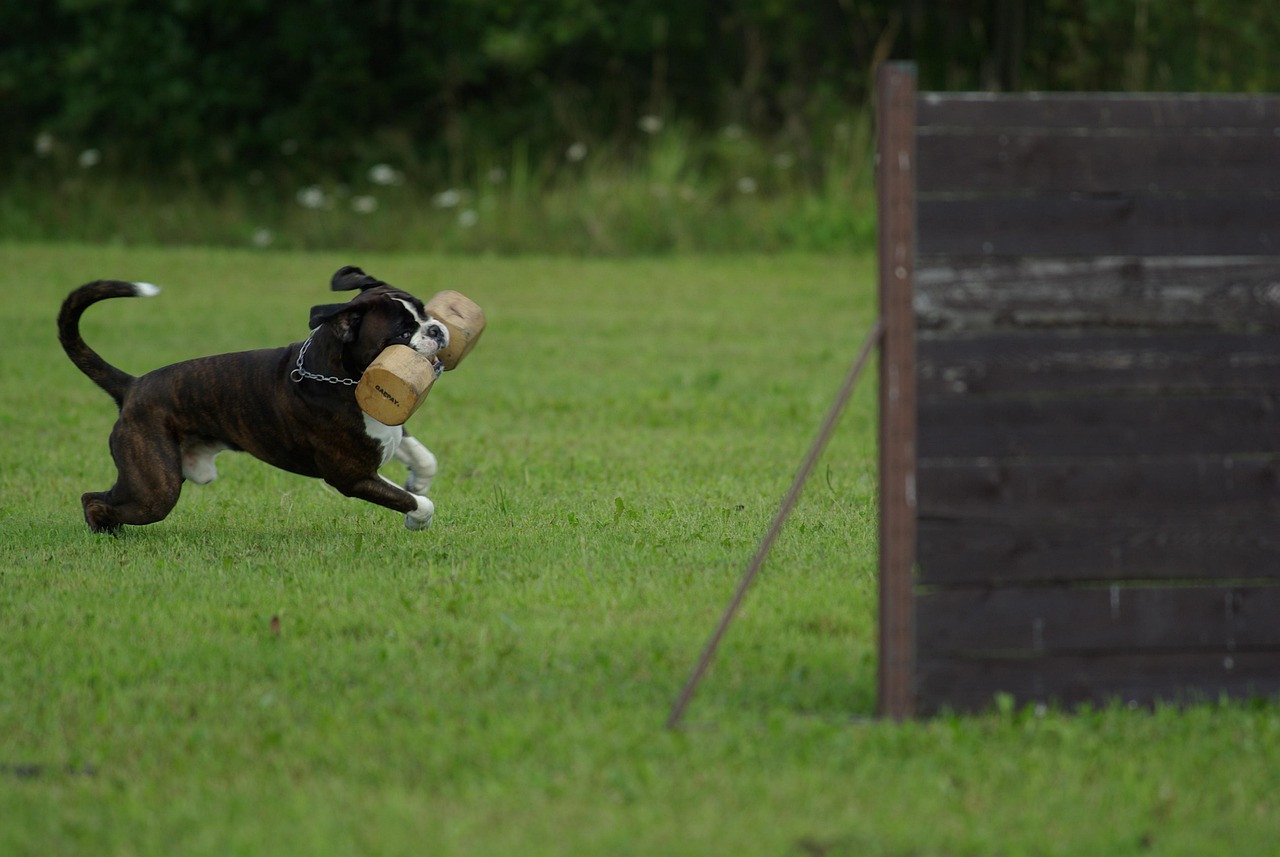
Is your furry friend’s excessive barking driving you (and your neighbors) a little batty? Barking is a natural form of communication for dogs, but when it becomes excessive, it can be a real problem. Understanding why your dog barks and employing effective dog barking control methods is key to restoring peace and quiet in your home and neighborhood. This guide provides practical solutions and actionable tips to help you manage your dog’s barking habits.
Understanding Why Your Dog Barks
Identifying the Root Cause
Before you can effectively control your dog’s barking, you need to understand why they’re barking in the first place. Barking isn’t just random noise; it’s usually a response to something. Common reasons include:
- Territorial Barking: Protecting their perceived territory from perceived threats. This often occurs at windows or along fences.
- Alarm Barking: Alerting you to something unusual, like a stranger at the door or a strange sound.
- Attention-Seeking Barking: Barking to get your attention, whether for food, play, or simply to be acknowledged.
- Frustration/Boredom Barking: Barking due to a lack of physical or mental stimulation. This is often repetitive and monotonous.
- Anxiety Barking: Barking due to separation anxiety, fear, or other anxieties. This is often accompanied by other signs of distress, such as pacing or destructive behavior.
- Compulsive Barking: Excessive, repetitive barking that seems to have no trigger. This may indicate an underlying neurological issue.
- Example: If your dog only barks when people walk past the house, it’s likely territorial barking. If they bark when you’re preparing dinner, it’s likely attention-seeking.
Keeping a Barking Diary
To pinpoint the exact cause, consider keeping a “barking diary.” Record the following each time your dog barks excessively:
- Date and Time: This helps identify patterns.
- Location: Where was your dog when they started barking?
- Trigger: What was happening that caused them to bark?
- Body Language: What was your dog doing besides barking (e.g., tail wagging, ears perked, hackles raised)?
- Your Response: How did you react to the barking?
Analyzing this data will give you valuable insights into the triggers and motivations behind your dog’s barking.
Environmental Management for Dog Barking Control
Reducing Visual Triggers
One of the most effective ways to manage territorial barking is to reduce your dog’s access to visual triggers.
- Cover Windows: Use curtains, blinds, or frosted window film to block your dog’s view of the outside world.
- Restrict Access: Keep your dog in rooms that don’t have direct views of high-traffic areas.
- Relocate the Dog Bed: Move your dog’s favorite resting spot away from windows.
- Example: If your dog barks at squirrels in the backyard, consider applying bird netting over shrubs to deter them.
Soundproofing and White Noise
Reducing external noises can also help decrease alarm barking.
- Soundproofing: Install soundproofing materials in your home, especially in areas where your dog spends a lot of time.
- White Noise: Use a white noise machine, fan, or radio to mask outside sounds that might trigger barking.
- Calming Music: Play calming music specifically designed for dogs, which can help reduce anxiety and overall reactivity.
Creating a Safe and Comfortable Environment
Ensure your dog has a comfortable and secure environment to reduce anxiety-related barking.
- Designated Safe Space: Provide a comfortable and quiet space where your dog can retreat when they feel overwhelmed. This could be a crate, a dog bed in a quiet corner, or a specific room.
- Comfort Items: Include familiar items like their favorite toys, blankets, or a t-shirt with your scent.
- Positive Associations: Never use the safe space as punishment. Associate it with positive experiences like treats and praise.
Training Techniques for Barking Control
The “Quiet” Command
Teaching your dog a “Quiet” command is a fundamental step in barking control.
- Start with an Existing Bark: Wait for your dog to bark (you can even trigger it yourself).
- Say “Quiet”: Immediately say “Quiet” in a firm but calm voice.
- Interrupt the Bark: If your dog stops barking, even momentarily, praise them enthusiastically and give them a treat.
- Repeat and Practice: Practice this command regularly in different environments.
- Gradually Increase Duration: Gradually increase the amount of time your dog needs to be quiet before receiving a reward.
- Example: If your dog barks at the doorbell, have someone ring the doorbell while you practice the “Quiet” command.
Desensitization and Counter-Conditioning
This technique involves gradually exposing your dog to the triggers that cause them to bark, while simultaneously creating positive associations.
- Identify the Trigger: Determine what specifically causes your dog to bark.
- Start from a Distance: Begin by exposing your dog to the trigger at a distance where they don’t react.
- Pair with Positive Reinforcement: As you expose them to the trigger, give them high-value treats or praise.
- Gradually Decrease Distance: Slowly decrease the distance to the trigger as your dog becomes more comfortable.
- Example: If your dog barks at other dogs, start by showing them a picture of a dog from a distance. Then, gradually expose them to real dogs at a safe distance while giving them treats.
Redirecting Attention
When your dog starts barking, redirect their attention to something else.
- Offer a Toy: Give them a favorite toy to chew on or play with.
- Engage in a Training Session: Start a short training session with simple commands like “sit” or “stay.”
- Provide a Puzzle Toy: Give them a puzzle toy filled with treats to keep them mentally engaged.
- Example: If your dog starts barking at the mailman, redirect their attention with a Kong filled with peanut butter.
Management Tools for Dog Barking
Anti-Bark Collars: A Word of Caution
Anti-bark collars are controversial and should be used as a last resort, and only under the guidance of a professional trainer or veterinarian.
- Types of Collars: Available in citronella, static shock, and ultrasonic versions.
- Potential Risks: Can cause anxiety, fear, and aggression if used improperly.
- Ethical Considerations: Some people find them inhumane.
- Important: Consult with a professional before considering any anti-bark collar. They may mask the underlying problem and not provide a long term solution.
Ultrasonic Devices
These devices emit a high-pitched sound that is audible to dogs but not humans, which can interrupt barking.
- How They Work: The sound is intended to be aversive enough to stop the dog from barking, but not harmful.
- Effectiveness: Effectiveness varies from dog to dog. Some dogs are not affected by the sound.
- Proper Usage: Use the device responsibly and according to the manufacturer’s instructions.
Muzzles
Muzzles can be used as a temporary management tool in certain situations, such as when taking your dog to the vet or groomer.
- Types of Muzzles: Basket muzzles are generally considered more humane as they allow the dog to pant, drink, and take treats.
- Proper Introduction: Introduce the muzzle gradually and positively. Associate it with treats and praise.
- Never for Punishment: Never use a muzzle as punishment.
Conclusion
Controlling excessive dog barking requires patience, understanding, and a multi-faceted approach. By identifying the root cause of the barking, managing your dog’s environment, employing effective training techniques, and, if necessary, utilizing appropriate management tools, you can successfully address this common behavioral issue. Remember to consult with a veterinarian or certified professional dog trainer for personalized guidance and support. With consistent effort, you can help your dog become a quieter, happier member of your family and community.