

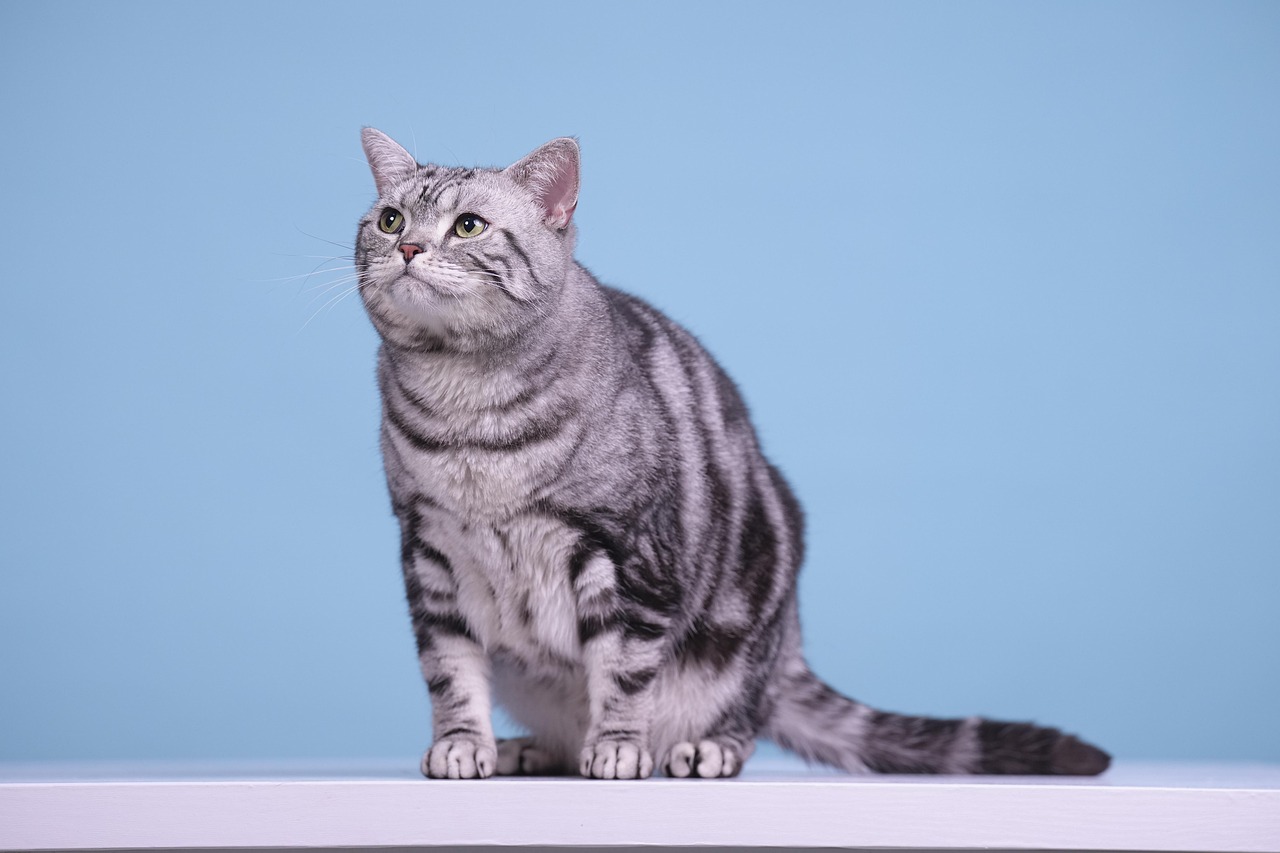
Is your feline friend spending most of their day napping and staring out the window? While cats are masters of relaxation, they also need mental and physical stimulation to thrive. Cat enrichment is the key to unlocking a happier, healthier, and more well-adjusted kitty companion. From interactive toys to creating a stimulating environment, let’s explore how you can transform your home into a feline paradise.
Understanding Cat Enrichment
What is Cat Enrichment?
Cat enrichment refers to providing activities and environmental modifications that stimulate a cat’s natural instincts. These instincts include hunting, exploring, scratching, climbing, and playing. By offering these outlets, we reduce boredom, stress, and the likelihood of behavioral problems.
- It’s about creating a stimulating environment tailored to your cat’s needs.
- Enrichment reduces stress and boredom, improving overall well-being.
- It helps prevent destructive behaviors like scratching furniture or excessive vocalization.
Why is Cat Enrichment Important?
Indoor cats, while safe and loved, often lack the stimulation they would naturally encounter in the wild. This can lead to:
- Boredom: Leading to lethargy or, conversely, destructive behaviors.
- Stress: Manifesting as overgrooming, hiding, or aggression.
- Obesity: A lack of physical activity can contribute to weight gain and related health issues.
- Behavioral Problems: Such as inappropriate elimination or scratching.
Studies show that cats in enriched environments exhibit fewer signs of stress and anxiety and are generally more content.
Environmental Enrichment
Vertical Space
Cats are natural climbers and enjoy surveying their surroundings from a high vantage point. Providing vertical space is a crucial element of cat enrichment.
- Cat Trees: Offer multiple levels for climbing, scratching, and napping. Look for sturdy models with varied textures.
Example: A cat tree with sisal rope scratching posts, a cozy cubby, and multiple platforms at different heights.
- Shelves: Install shelves at varying heights along walls to create a “cat highway.”
Example: Use floating shelves covered in carpet to provide a comfortable and secure climbing route.
- Window Perches: Allow your cat to observe the outside world safely.
Example: Suction-cup window perches that are easily installed and provide a comfortable spot for birdwatching.
Scratching Posts
Scratching is a natural and essential behavior for cats. It helps them:
- Maintain their claws.
- Mark their territory with scent glands on their paws.
- Stretch their muscles.
- Variety is Key: Offer different types of scratching posts, including vertical posts, horizontal scratchers, and angled boards.
Example: A tall sisal-wrapped post for stretching, a cardboard scratcher for shredding, and a carpeted ramp for scratching at an angle.
- Placement Matters: Place scratching posts in areas where your cat already likes to scratch, such as near furniture or doorways.
- Scent Attractant: Sprinkle catnip on the scratching post to entice your cat to use it.
Safe Hiding Places
Cats need safe spaces where they can retreat and feel secure. Provide several hiding spots throughout your home.
- Cardboard Boxes: A simple and effective hiding place that cats love.
- Covered Beds: Offer a sense of security and privacy.
- Tunnels: Provide a fun and enclosed space for exploration.
- Example: Place a cardboard box in a quiet corner of the living room with a soft blanket inside.
Play and Interactive Enrichment
Interactive Toys
Interactive toys engage your cat’s hunting instincts and provide mental stimulation.
- Wand Toys: Mimic the movement of prey, encouraging your cat to chase, pounce, and swat.
Example: A feather wand toy that allows you to control the movement and create unpredictable patterns.
- Puzzle Feeders: Challenge your cat to solve puzzles to access their food or treats.
Example: A puzzle feeder with compartments that require your cat to use their paws or nose to retrieve the food.
- Laser Pointers: Provide exercise and mental stimulation (use in moderation and always end the session with a tangible toy to “catch”).
- Rotate Toys Regularly: Keep your cat engaged by rotating their toys every few days. This keeps things fresh and prevents boredom.
Play Sessions
Dedicated play sessions are crucial for bonding and providing exercise.
- Schedule Regular Playtime: Aim for at least 15-20 minutes of interactive play each day.
- Mimic Natural Hunting Behavior: Start with slow, stalking movements and gradually increase the speed and intensity of the play.
- End the Play Session with a “Catch”: Allow your cat to “catch” the toy at the end of the session to satisfy their hunting instinct.
- Multiple short sessions are often better than one long one.
Food Enrichment
Food enrichment is about making mealtimes more stimulating and engaging.
- Scatter Feeding: Hide small amounts of food around the room to encourage your cat to “hunt” for their meals.
- Puzzle Feeders: Use puzzle feeders to make your cat work for their food.
- Hide Food in Different Locations Daily: Keep your cat guessing where their next meal will be.
- Use cat-safe foraging mats.
Sensory Enrichment
Visual Stimulation
Cats enjoy watching movement and observing the world around them.
- Bird Feeders: Place a bird feeder outside a window to provide entertainment.
- Fish Tanks: A fish tank can be a source of fascination for cats (make sure it is securely covered).
- Cat TV: Play videos of birds, squirrels, or other animals on a screen.
- Rotate the view by moving perches and furniture.
Auditory Stimulation
Cats are sensitive to sounds.
- Soft Music: Play calming music specifically designed for cats.
- Natural Sounds: Play recordings of nature sounds, such as birdsong or rain.
- Catnip toys that crinkle.
- Avoid Loud Noises: Keep the volume down to avoid startling your cat.
Olfactory Stimulation
Cats have a strong sense of smell.
- Catnip: Provide catnip toys or sprinkle catnip on scratching posts.
- Silvervine: Similar to catnip, but some cats respond more strongly to silvervine.
- Honeysuckle: Another plant that can be appealing to cats.
- Be cautious when introducing new scents as some cats may not like them.
Monitoring and Adapting
Observe Your Cat’s Behavior
Pay attention to your cat’s body language and behavior to determine what enrichment activities they enjoy most.
- Tail Position: A raised tail usually indicates happiness and contentment.
- Body Posture: A relaxed posture indicates a feeling of safety and security.
- Vocalization: Purring is often a sign of contentment, while hissing or growling indicates stress or fear.
Adjust Enrichment Activities
Adjust the type and intensity of enrichment activities based on your cat’s individual needs and preferences.
- Older Cats: May prefer gentle play sessions and comfortable resting spots.
- Kittens: Need lots of active play and exploration.
- Anxious Cats: Benefit from calming enrichment activities like hiding places and soft music.
Gradual Introduction
Introduce new enrichment activities gradually to avoid overwhelming your cat. Start with one or two new items or activities at a time and observe your cat’s reaction.
Conclusion
Cat enrichment is a continuous process of observation, adaptation, and commitment to your feline friend’s well-being. By providing a stimulating and engaging environment, you can significantly improve your cat’s physical and mental health, reduce stress, and strengthen your bond. Embrace the journey of creating a feline paradise within your home, and enjoy the rewards of a happier, healthier, and more content cat companion.