

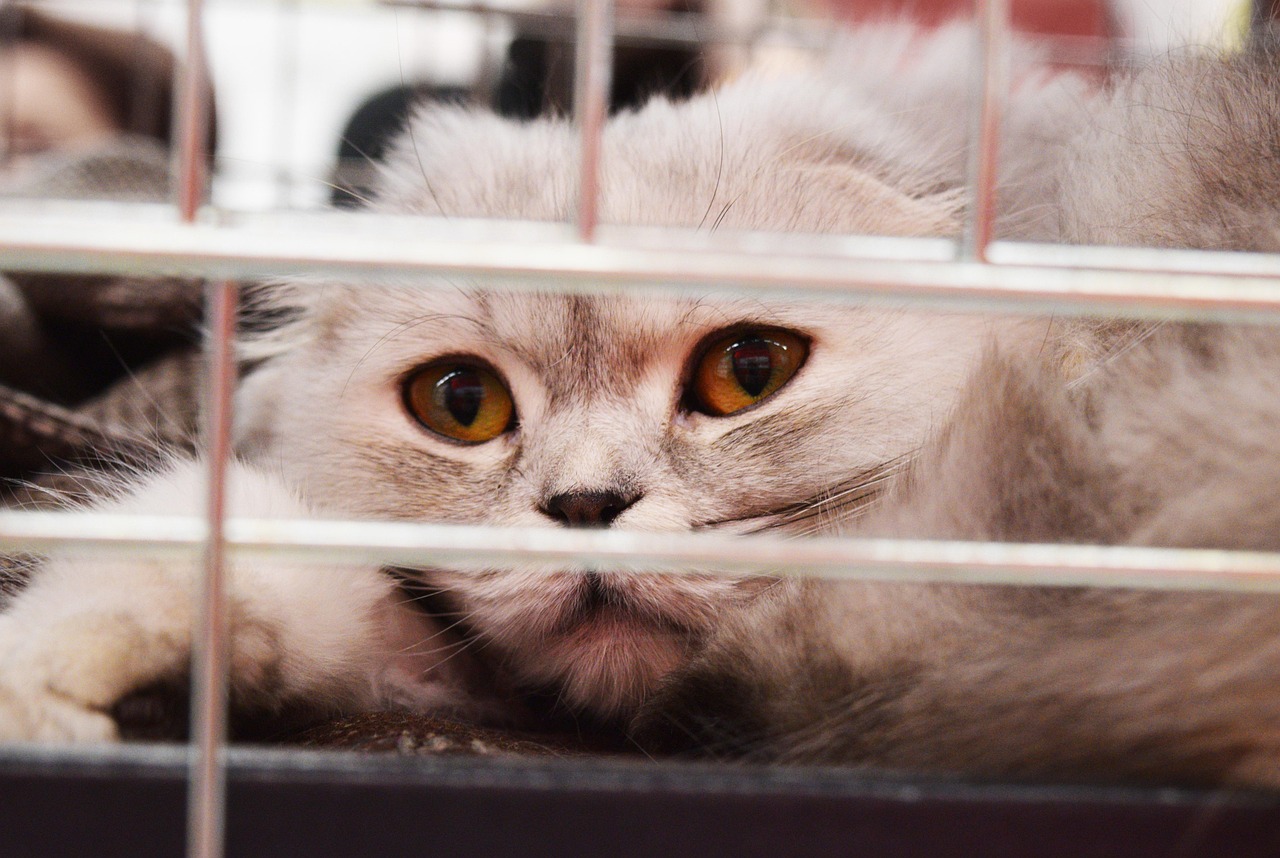
Cats: those enigmatic, independent creatures that share our homes but often seem to operate on their own mysterious plane. Understanding cat behavior is key to building a strong bond with your feline friend, preventing behavioral issues, and ensuring a happy, harmonious household. This guide provides insights into deciphering your cat’s actions and offers practical advice for addressing common behavioral concerns.
Understanding Basic Cat Behaviors
Decoding Body Language
Cats communicate extensively through body language. Learning to interpret these signals is crucial for understanding their mood and intentions.
- Ears:
Forward: Attentive, interested.
Back or flattened: Fearful, angry, or stressed.
Swiveling: Paying attention to sounds around them.
- Tail:
Upright with a slight curve: Happy and confident.
Straight up with bristled fur: Agitated or frightened.
Tucked between legs: Fearful or submissive.
Twitching: Irritated or playful.
- Eyes:
Dilated pupils: Excited, frightened, or playful.
Slit pupils: Relaxed or content.
Slow blink: A sign of trust and affection. Try slow blinking back at your cat to build rapport!
Example: If your cat’s ears are flattened and their tail is twitching, it’s best to give them space as they’re likely feeling stressed or annoyed.
Common Vocalizations and Their Meanings
Cats use a variety of vocalizations to communicate with both humans and other animals.
- Meow: Often used to get attention from humans; can mean “feed me,” “pet me,” or “let me in.”
- Purr: Usually indicates contentment, but can sometimes mean they are self-soothing when stressed or in pain.
- Hiss: A warning sign indicating fear, anger, or defensiveness.
- Growl: A more intense warning sign, usually preceding an attack if the threat isn’t removed.
- Chattering: Often observed when a cat sees prey (like a bird) that they cannot reach.
Example: A sudden increase in meowing might signal hunger, a need for attention, or a potential medical issue. If you notice a change in your cat’s vocalizations, consult with your veterinarian.
Addressing Common Behavioral Issues
Scratching
Scratching is a natural and necessary behavior for cats. They do it to:
- Sharpen their claws.
- Stretch their muscles.
- Mark their territory (through scent glands in their paws).
To prevent destructive scratching:
- Provide scratching posts: Offer a variety of materials (sisal, cardboard, carpet) and orientations (vertical, horizontal). Place them in areas where your cat likes to scratch.
- Use positive reinforcement: Reward your cat with treats or praise when they use the scratching post.
- Trim your cat’s nails regularly: This can reduce the urge to scratch excessively.
- Consider deterrents: Double-sided tape or citrus sprays can discourage scratching on furniture.
Example: Instead of yelling at your cat when they scratch your sofa, redirect them to a scratching post and reward them when they use it.
Litter Box Problems
Litter box issues are a common concern for cat owners. Reasons can include:
- Medical issues: Urinary tract infections (UTIs) or other health problems can cause pain and discomfort, leading to avoidance of the litter box.
- Litter box type: Cats can be picky about the size, shape, and location of their litter box.
- Litter type: Experiment with different litters to find one your cat prefers.
- Cleanliness: Cats prefer a clean litter box. Scoop it daily and completely change the litter weekly.
- Stress or anxiety: Changes in the environment or household can cause litter box problems.
Solutions:
- Consult your veterinarian: Rule out any underlying medical conditions.
- Provide enough litter boxes: The general rule is one litter box per cat plus one extra.
- Place litter boxes in quiet, accessible locations: Avoid high-traffic areas or places where they might feel trapped.
- Experiment with different litter types and litter box sizes.
- Reduce stress: Use pheromone diffusers or sprays to create a calming environment.
Example: If your cat suddenly starts urinating outside the litter box, the first step should be a veterinary visit to rule out a UTI or other medical problem.
Aggression
Cat aggression can be directed towards other cats, humans, or other animals. Understanding the cause is essential for addressing it. Types of aggression include:
- Fear aggression: Occurs when a cat feels threatened or trapped.
- Play aggression: Common in kittens and young cats who haven’t learned appropriate play behavior.
- Territorial aggression: Occurs when a cat feels that their territory is being threatened.
- Redirected aggression: Occurs when a cat is aroused by something (e.g., another cat outside the window) and redirects their aggression towards a nearby person or animal.
Strategies for managing aggression:
- Identify the trigger: What situations or stimuli cause the aggression?
- Avoid or minimize exposure to the trigger: Create a safe space for your cat where they can retreat when they feel threatened.
- Use positive reinforcement: Reward calm behavior with treats or praise.
- Consult a veterinary behaviorist: They can help you develop a behavior modification plan and may recommend medication in severe cases.
- Never punish your cat: Punishment can increase fear and anxiety, making the aggression worse.
Example: If your cat is aggressive towards other cats, ensure they have separate resources (food bowls, water bowls, litter boxes, beds) and avoid forcing them to interact. A slow, gradual introduction process might also be necessary if you are introducing a new cat to the household.
Creating a Cat-Friendly Environment
Providing Vertical Space
Cats love to climb and explore elevated spaces. Providing vertical space can:
- Increase their sense of security.
- Reduce stress.
- Offer opportunities for exercise and play.
Options for providing vertical space:
- Cat trees: Available in various sizes and styles, offering multiple levels for climbing and perching.
- Shelves: Install shelves on the walls to create a cat highway.
- Window perches: Allow cats to observe the outside world from a comfortable vantage point.
Example: Place a cat tree near a window so your cat can enjoy watching birds and other outdoor activities.
Enrichment and Play
Enrichment is crucial for a cat’s mental and physical well-being.
- Interactive toys: Puzzle feeders, wand toys, and laser pointers can stimulate their hunting instincts.
- Rotating toys: Regularly switch out toys to keep them interesting.
- Playtime: Dedicate at least 15-20 minutes each day to play with your cat.
- Environmental enrichment: Provide opportunities for exploration, such as cardboard boxes, paper bags (handles removed for safety), and tunnels.
Example: Use a puzzle feeder to make mealtime more engaging and challenging for your cat.
Conclusion
Understanding cat behavior is an ongoing process. By observing your cat’s body language, vocalizations, and habits, you can gain valuable insights into their needs and preferences. By addressing behavioral issues proactively and creating a cat-friendly environment, you can foster a stronger bond with your feline companion and ensure a happy, healthy life together. Remember that consistency and patience are key, and consulting with a veterinarian or certified cat behaviorist can provide valuable support in addressing more complex issues.