

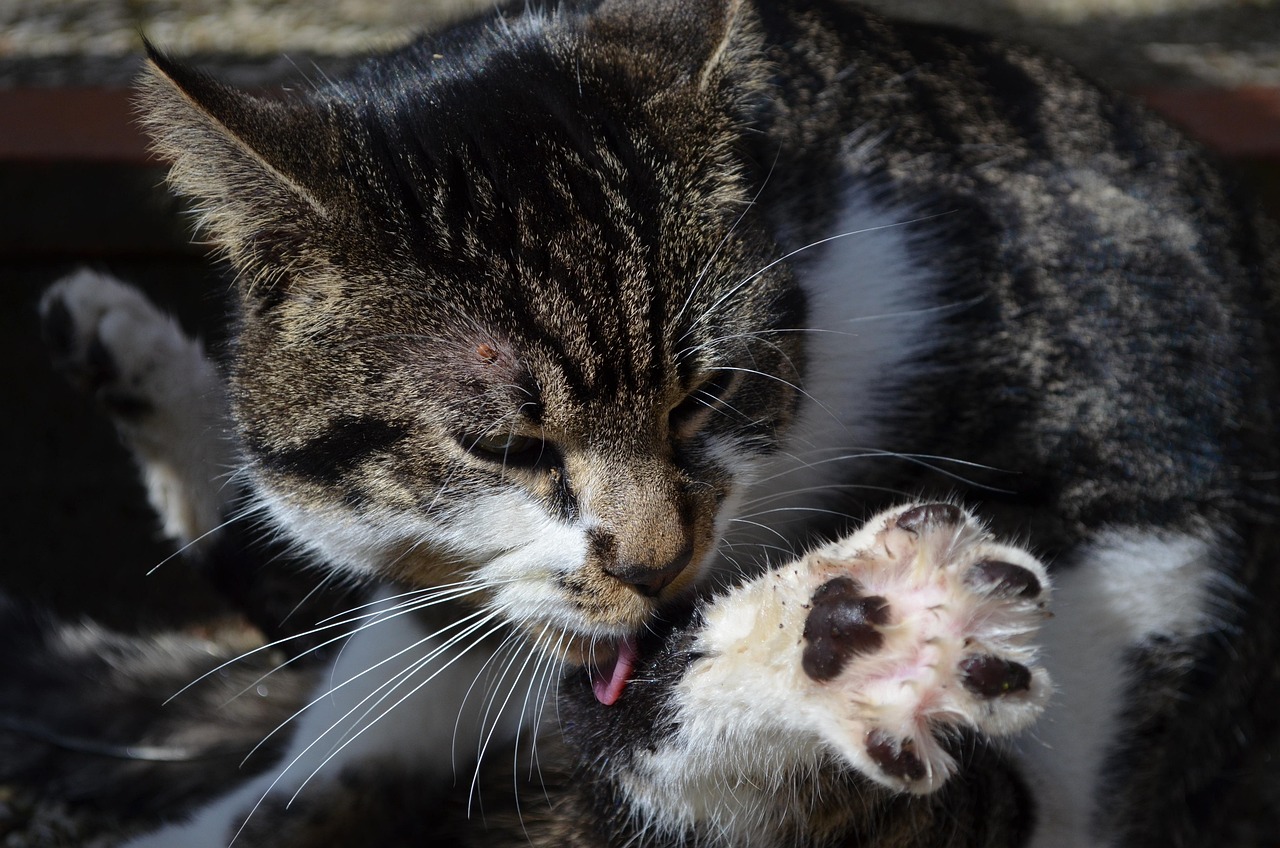
Traveling with your beloved pet can be a rewarding experience, creating unforgettable memories together. However, it also requires careful planning and preparation to ensure their safety, comfort, and well-being throughout the journey. Whether you’re embarking on a road trip, flying across the country, or simply heading to the local park, understanding the nuances of pet travel care is paramount for a stress-free and enjoyable adventure for both you and your furry friend.
Pre-Travel Preparations
Vet Visit & Health Certificate
Before even thinking about packing, schedule a visit to your veterinarian. This is crucial for:
- Ensuring your pet is healthy and fit for travel.
- Updating vaccinations, including rabies. Rabies vaccination is often legally required for travel, especially across state lines or internationally.
- Obtaining a health certificate. Most airlines and some states require a health certificate issued by a licensed veterinarian within a specific timeframe (usually 10 days) before travel.
- Discussing any pre-existing conditions or potential travel-related anxieties your pet might have.
- Consider microchipping your pet. This greatly increases the chances of being reunited with your pet if they get lost during the journey. Make sure your contact information is up-to-date on the microchip registry.
Identification is Key
Even with a microchip, visible identification is crucial.
- Ensure your pet has a collar with an up-to-date ID tag displaying your phone number and address. Consider adding a temporary travel tag with your destination information.
- Take a recent photo of your pet before you leave. This can be extremely helpful if your pet gets lost.
- If traveling by car, keep your pet’s vet records and vaccination certificates readily accessible in your glove compartment.
Crate Training & Carrier Acclimation
If you’re flying or taking a long car ride, a crate or carrier is essential.
- Start crate training well in advance of your trip. The goal is for your pet to view the crate as a safe and comfortable space, not a punishment.
- Introduce the crate gradually by placing treats and toys inside.
- Encourage your pet to spend time in the crate with the door open, then gradually increase the time with the door closed.
- For car rides, ensure the carrier is securely fastened to prevent it from sliding around during sudden stops.
Packing the Essentials
Food, Water & Bowls
Don’t rely on finding your pet’s specific brand of food on the road or at your destination.
- Pack enough of your pet’s regular food for the entire trip, plus a little extra in case of delays. Sudden changes in diet can cause digestive upset.
- Bring collapsible food and water bowls for easy feeding and hydration on the go.
- Pack bottled water or a water filter, especially if you’re traveling to an area with unfamiliar water sources.
- Consider packing treats for positive reinforcement and to help alleviate anxiety during travel.
Comfort Items & Toys
Familiar scents and objects can provide comfort to your pet during travel.
- Bring your pet’s favorite blanket, bed, or toys.
- Include an item of your clothing (a t-shirt, for example) in the crate to provide familiar scent reassurance.
- Choose toys that are safe and quiet, avoiding anything with small parts that could be swallowed.
- For nervous pets, consider using a calming pheromone spray or collar (consult your vet first).
First-Aid Kit & Medications
Be prepared for minor emergencies.
- Assemble a pet first-aid kit that includes essentials like antiseptic wipes, bandages, gauze, hydrogen peroxide (for inducing vomiting, only under veterinary guidance), and any medications your pet takes regularly.
- Pack copies of your pet’s medical records and vaccination certificates.
- Know the location of the nearest emergency veterinary clinic at your destination and along your route.
Travel by Car
Secure Your Pet
- Never allow your pet to ride unrestrained in the car. This is dangerous for both your pet and you.
- Use a pet carrier, seatbelt harness, or pet barrier to keep your pet secure. A loose pet can distract the driver and become a projectile in case of an accident.
- Avoid allowing your pet to stick its head out the window. This can lead to eye irritation, ear damage, and even injury from flying debris.
Regular Breaks
- Plan for frequent stops every 2-3 hours to allow your pet to stretch its legs, relieve itself, and drink water.
- Choose rest areas or parks with designated pet areas.
- Always keep your pet on a leash when outside the car.
- Never leave your pet unattended in a parked car, especially during hot weather. Temperatures inside a car can rise rapidly, even on a mild day, leading to heatstroke and death.
Temperature Control
- Maintain a comfortable temperature inside the car.
- Use air conditioning or open windows to keep your pet cool.
- Be aware of the signs of heatstroke, such as excessive panting, drooling, weakness, and vomiting. If you suspect your pet is experiencing heatstroke, seek immediate veterinary care.
Air Travel Considerations
Airline Regulations & Restrictions
- Research and understand the airline’s pet travel policies well in advance of booking your flight. Each airline has different rules regarding breed restrictions, carrier size limitations, and temperature restrictions.
- Book your pet’s flight well in advance, as space for pets on flights is often limited.
- Consider flying direct to minimize stress and layover time for your pet.
In-Cabin vs. Cargo
- Whenever possible, transport your pet in the cabin with you. This allows you to keep an eye on them and provide reassurance.
- However, if your pet is too large to travel in the cabin, it will need to travel in the cargo hold. Ensure the cargo hold is climate-controlled and that the airline has a good track record of handling pets safely.
- If your pet must travel in cargo, choose flights during cooler times of the day and avoid traveling during peak seasons.
Preparing for the Flight
- Exercise your pet before the flight to help them relax.
- Line the crate with absorbent material in case of accidents.
- Do not sedate your pet without consulting your veterinarian. Sedation can increase the risk of respiratory problems during flight.
- Arrive at the airport early to allow ample time for check-in and security procedures.
Conclusion
Traveling with your pet requires careful planning and attention to detail. By following these pet travel care tips, you can help ensure a safe, comfortable, and enjoyable journey for both you and your furry companion. Remember to prioritize your pet’s well-being throughout the trip, and be prepared to adapt your plans as needed. With a little preparation, you can create lasting memories together while exploring new destinations.