

Is your beloved canine turning your favorite furniture into a chew toy? Dog chewing is a common behavior, especially in puppies and young dogs, but it can be frustrating and destructive. Luckily, with the right strategies and understanding of the underlying causes, you can effectively redirect your dog’s chewing habits and protect your belongings. This guide provides practical dog chewing prevention tips to help you maintain a harmonious home and a happy, well-behaved dog.
Understanding Why Dogs Chew
Teething Puppies
Puppies go through a teething phase, much like human babies. This usually starts around 3-6 months of age and can cause considerable discomfort. Chewing provides relief by soothing their gums.
- Provide appropriate chew toys designed for teething puppies. Look for toys that are soft but durable, and that can be chilled in the freezer for extra relief.
- Supervise your puppy closely during this stage to prevent them from chewing on inappropriate items.
- Consider using teething gels recommended by your veterinarian for additional pain relief.
Boredom and Anxiety
Dogs, especially high-energy breeds, can chew out of boredom or anxiety. They may be looking for an outlet for pent-up energy or trying to cope with feelings of stress or separation anxiety.
- Ensure your dog gets enough physical exercise. Daily walks, runs, or play sessions can help burn off excess energy and reduce boredom.
- Provide mental stimulation through puzzle toys, training sessions, or interactive games.
- If your dog suffers from separation anxiety, consult with a veterinarian or certified dog trainer to develop a behavior modification plan. Consider crate training and anti-anxiety aids like calming treats or pheromone diffusers. Studies show that over 20% of dogs display separation anxiety symptoms that can lead to destructive chewing.
Natural Instinct
Chewing is a natural canine behavior rooted in their instinct to explore and investigate objects. It also helps maintain dental hygiene by scraping away plaque and tartar.
- Never punish your dog for chewing, as this can create fear and anxiety. Instead, focus on redirecting their chewing towards appropriate items.
- Provide a variety of chew toys with different textures and materials to satisfy their natural chewing instincts.
- Rotate toys regularly to keep your dog interested and prevent boredom.
Creating a Chew-Proof Environment
Puppy-Proofing Your Home
Just as you would baby-proof your home for a toddler, you need to puppy-proof it for a chewing dog. This involves removing potential hazards and restricting access to valuable items.
- Store shoes, clothing, books, and other tempting items out of your dog’s reach. Use shelves, closets, and drawers to keep things organized and protected.
- Cover or protect furniture with blankets, slipcovers, or chew-resistant materials.
- Secure electrical cords and cables, as these can be dangerous if chewed on. Consider using cord protectors or cable organizers.
- Remove any poisonous plants from your home and yard, as these can be harmful if ingested.
Utilizing Crates and Playpens
Crates and playpens can be valuable tools for managing your dog’s chewing habits, especially when you’re unable to supervise them directly.
- Crate training can provide your dog with a safe and secure den. Make sure the crate is appropriately sized and furnished with comfortable bedding and toys.
- Use a playpen to confine your dog to a specific area, allowing them to move around freely while preventing them from accessing restricted areas.
- Never use a crate or playpen as punishment. It should be a positive and comfortable space for your dog.
Providing Appropriate Chew Toys
Selecting Safe and Durable Toys
Choosing the right chew toys is crucial for preventing destructive chewing. Look for toys that are durable, non-toxic, and appropriate for your dog’s size and chewing strength.
- Opt for toys made from durable materials like rubber, nylon, or rope.
- Avoid toys that are easily shredded or that contain small parts that could be swallowed.
- Choose toys that are specifically designed for chewing, such as Kong toys, Nylabones, or rope toys.
- Regularly inspect toys for damage and replace them when necessary.
- Consider the size of the toy relative to your dog’s size. The toy should be large enough to prevent your dog from swallowing it whole.
Rotating Toys for Variety
Just like humans, dogs can get bored with the same old toys. Rotating their toys regularly can keep them engaged and prevent them from seeking out other items to chew on.
- Keep a stash of toys and rotate them every few days or weeks.
- Introduce new toys periodically to keep things fresh and exciting.
- Make playtime more engaging by incorporating interactive toys or games.
Stuffing Toys with Treats
Stuffing chew toys with treats or food can make them more enticing and provide hours of entertainment for your dog. This is especially helpful for dogs that chew out of boredom.
- Stuff Kong toys with peanut butter, yogurt, or your dog’s favorite kibble.
- Freeze stuffed toys for a longer-lasting and more challenging treat.
- Use a variety of fillings to keep things interesting.
Training and Redirection Techniques
Teaching the “Leave It” Command
The “Leave It” command is an essential tool for preventing your dog from chewing on inappropriate items. It teaches your dog to ignore or release something on command.
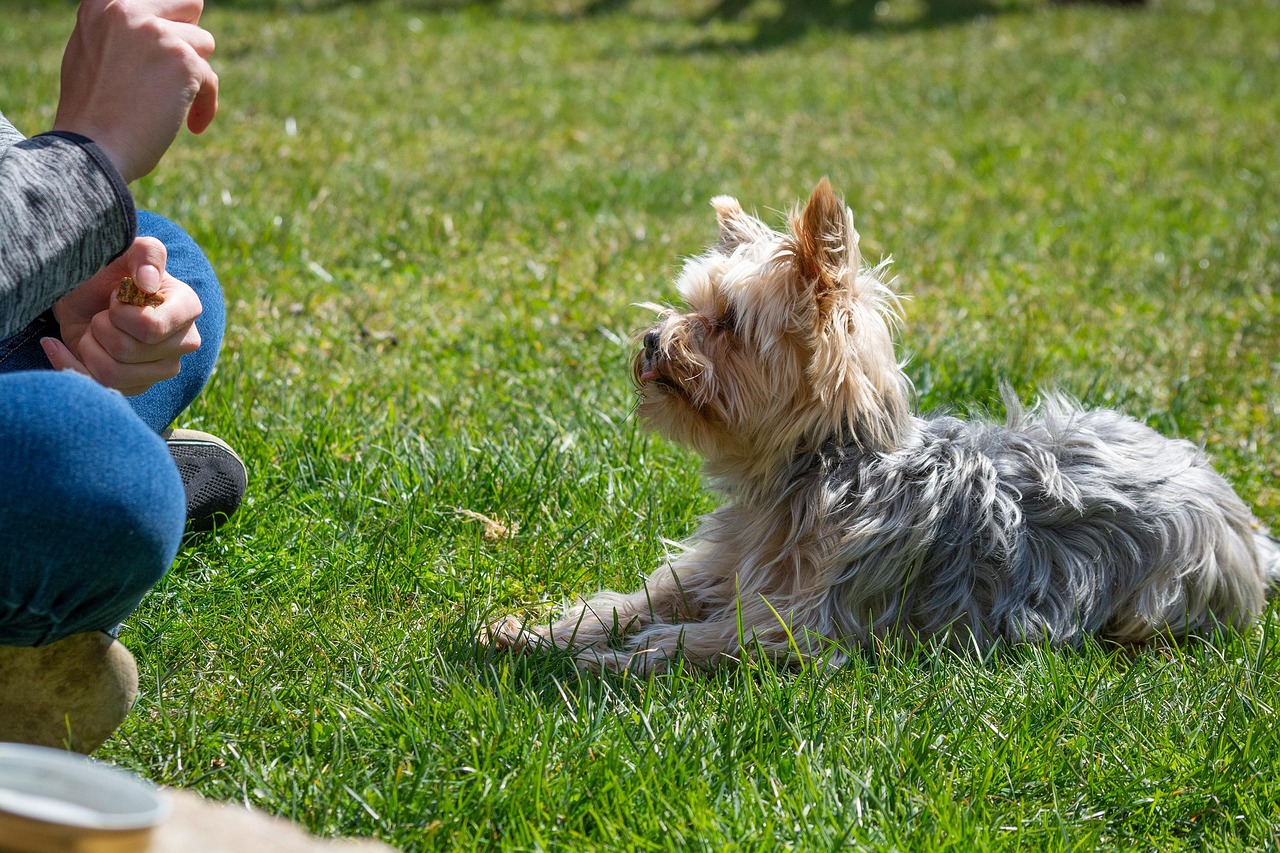
- Start by holding a treat in one hand and showing it to your dog.
- Say “Leave It” and close your hand around the treat.
- When your dog stops trying to get the treat, open your hand and give them a different treat from your other hand.
- Gradually increase the difficulty by using less desirable items and practicing in different locations.
Redirection Strategies
When you catch your dog chewing on something they shouldn’t, it’s important to redirect their attention to an appropriate chew toy. Avoid scolding or punishing your dog, as this can create fear and anxiety.
- Gently remove the inappropriate item and replace it with a chew toy.
- Praise your dog for chewing on the toy.
- Make the chew toy more enticing by rubbing it with peanut butter or playing with it yourself.
Positive Reinforcement
Positive reinforcement is a powerful tool for shaping your dog’s behavior. Reward them with praise, treats, or affection when they chew on appropriate items.
- Keep chew toys readily available and encourage your dog to use them.
- Give your dog lots of praise and attention when they chew on their toys.
- Avoid giving your dog attention when they are chewing on inappropriate items.
Addressing Underlying Issues
Consulting with a Veterinarian
If your dog’s chewing behavior is excessive or accompanied by other concerning symptoms, it’s important to consult with a veterinarian. They can rule out any underlying medical conditions that may be contributing to the behavior.
- Schedule a check-up to discuss your dog’s chewing habits with your veterinarian.
- Ask about potential medical causes, such as dental problems or nutritional deficiencies.
- Follow your veterinarian’s recommendations for treatment or management.
Seeking Professional Training
If you’re struggling to manage your dog’s chewing behavior on your own, consider seeking the help of a certified dog trainer or behaviorist. They can provide personalized guidance and support to help you address the underlying causes of the behavior.
- Look for a trainer who uses positive reinforcement methods.
- Attend training classes or schedule private sessions.
- Be patient and consistent with your training efforts.
Conclusion
Preventing destructive chewing in dogs requires a multi-faceted approach. By understanding the reasons behind chewing, creating a chew-proof environment, providing appropriate chew toys, and using training and redirection techniques, you can effectively manage your dog’s chewing habits and protect your belongings. Remember to address any underlying issues by consulting with a veterinarian or professional trainer if needed. With patience, consistency, and a little bit of effort, you can help your dog develop healthy chewing habits and enjoy a happy, harmonious relationship.