

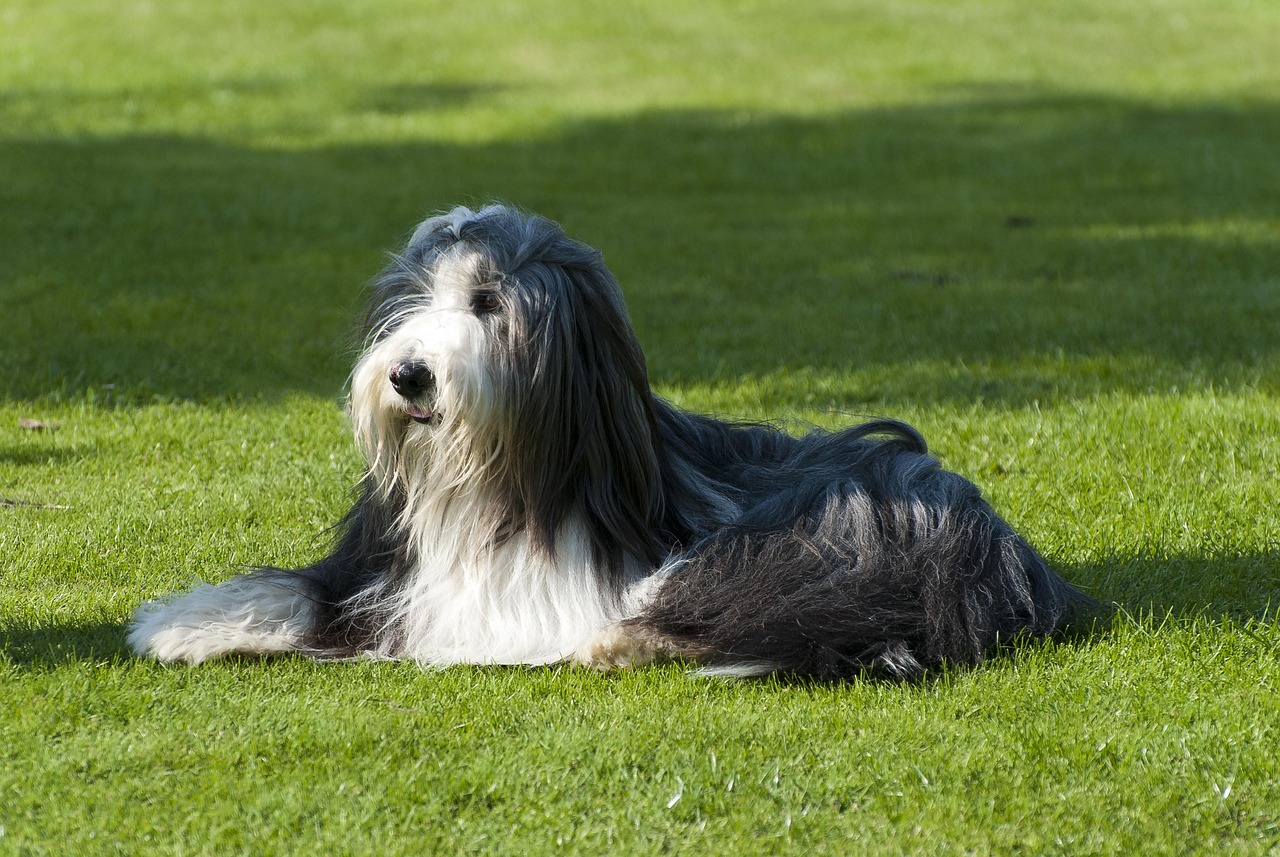
Bringing a rescue dog into your life is an incredibly rewarding experience. You’re not just giving a dog a home, you’re offering them a new beginning filled with love, security, and the chance to thrive. However, rescue dogs often come with unique challenges related to past experiences, unknown histories, and potential anxieties. This guide will provide you with a comprehensive approach to training your rescue dog, ensuring a smooth transition and a strong, loving bond.
Understanding Your Rescue Dog’s Past
The Importance of Background Knowledge (or Lack Thereof)
One of the biggest hurdles in training a rescue dog is the unknown. Unlike puppies raised from birth, your rescue might have a history of trauma, neglect, or inconsistent training. Gathering any available information from the shelter or rescue organization is crucial.
- Medical Records: Understand any existing health conditions or past treatments.
- Behavioral Assessments: Ask about observed behaviors like separation anxiety, reactivity, or fear of certain objects.
- Known History: Even snippets of information about their previous life can be invaluable.
- Meet and Greets: Before bringing your dog home, spend time interacting with them in a neutral environment. This will give you a chance to assess their temperament and identify any potential issues.
Even with thorough research, you might still encounter surprises. Be patient, observant, and ready to adjust your training approach as you learn more about your dog. According to the ASPCA, around 3.1 million dogs enter U.S. animal shelters nationwide every year. Many of these dogs have unknown histories, highlighting the need for a patient and understanding approach.
Common Behavioral Issues in Rescue Dogs
Rescue dogs often exhibit specific behavioral challenges stemming from their past experiences. Recognizing these potential issues will allow you to tailor your training effectively.
- Separation Anxiety: This manifests as excessive barking, destructive behavior, or attempts to escape when left alone.
Example: A dog who was abandoned might fear being left alone again.
- Fear Aggression: Reacting defensively (growling, snapping, biting) due to fear of certain people, objects, or situations.
Example: A dog who was abused by a man might exhibit fear aggression towards men.
- Resource Guarding: Protecting food, toys, or even people from others.
Example: A dog who experienced food scarcity might guard their food bowl aggressively.
- House Soiling: Accidents inside the house due to anxiety, lack of training, or medical issues.
- Excessive Barking: Can be triggered by anxiety, territoriality, or boredom.
Knowing these potential issues beforehand allows you to prepare and implement appropriate training strategies from day one.
Creating a Safe and Secure Environment
The Importance of a “Safe Zone”
A safe zone provides your rescue dog with a secure and comfortable space where they can retreat and de-stress. This is especially crucial during the initial adjustment period.
- Designated Area: Choose a quiet area in your home, such as a crate, dog bed, or a specific room.
- Comfortable Bedding: Provide soft and comfortable bedding that your dog can burrow into.
- Favorite Toys: Include a few of their favorite toys or chew items.
- Positive Association: Never use the safe zone as a punishment. Associate it with positive experiences like treats and praise.
- Gradual Introduction: Allow your dog to explore the safe zone at their own pace. Don’t force them into it.
By creating a safe zone, you’re providing your rescue dog with a sense of security and control, which can significantly reduce anxiety and stress.
Establishing a Routine
Routine is crucial for a rescue dog. Predictability helps them feel safe and secure.
- Consistent Feeding Schedule: Feed your dog at the same times each day.
- Regular Walks: Establish a consistent walking schedule.
- Designated Potty Breaks: Take your dog outside to potty at regular intervals.
- Consistent Bedtime: Establish a consistent bedtime routine.
A predictable routine reduces anxiety and helps your rescue dog understand what to expect, creating a sense of stability in their new environment.
Basic Training Techniques
Positive Reinforcement
Positive reinforcement is the most effective and humane training method for rescue dogs. It focuses on rewarding desired behaviors rather than punishing unwanted ones.
- Treats: Use high-value treats that your dog loves.
- Praise: Offer enthusiastic verbal praise like “Good dog!” or “Yes!”
- Toys: Use toys as rewards, especially for dogs who are highly motivated by play.
- Clicker Training: A clicker can be used to mark the exact moment your dog performs the desired behavior.
- Example: If you’re teaching your dog to sit, say “Sit,” and as soon as their rear touches the ground, click (if using a clicker) and give them a treat and praise.
Consistency is key. Use the same commands and rewards consistently. According to a study published in the Journal of Veterinary Behavior, positive reinforcement training methods are associated with fewer behavior problems in dogs.
Teaching Basic Commands
Start with simple commands like sit, stay, come, down, and leave it.
- Sit: Hold a treat near your dog’s nose and move it upward and backward over their head. As they follow the treat, they should naturally sit. Say “Sit” as they perform the action.
- Stay: Have your dog sit or lie down. Hold your hand up in a stop gesture and say “Stay.” Gradually increase the duration of the stay.
- Come: Use a cheerful tone and say “Come!” As your dog approaches, reward them with praise and a treat.
- Down: Hold a treat in front of your dog’s nose and slowly lower it to the ground. As they follow the treat, they should lie down. Say “Down” as they perform the action.
- Leave It: Place a treat on the floor and cover it with your hand. Say “Leave it.” When your dog stops trying to get the treat, remove your hand and give them a different treat from your other hand.
Keep training sessions short and positive. End each session on a successful note.
Addressing Specific Behavioral Issues
Consult a professional dog trainer or behaviorist to help address specific behavioral issues, such as separation anxiety, fear aggression, or resource guarding. They can provide personalized guidance and training plans.
Socialization and Exposure
Gradual Introduction to New Environments
Introduce your rescue dog to new environments gradually to avoid overwhelming them.
- Start Small: Begin with quiet and familiar environments, such as your backyard or a nearby park.
- Avoid Overstimulation: Avoid crowded or noisy places initially.
- Positive Experiences: Ensure each exposure is positive and rewarding.
- Observe Body Language: Pay close attention to your dog’s body language for signs of stress or anxiety.
Gradual and positive exposure helps your rescue dog build confidence and adapt to new environments.
Safe Interactions with Other Animals and People
Supervise interactions with other animals and people carefully.
- Controlled Introductions: Introduce your dog to other animals and people in a controlled environment.
- Keep Interactions Short: Keep initial interactions short and positive.
- Supervise Play: Supervise play closely and intervene if necessary.
- Respect Boundaries: Respect your dog’s boundaries and don’t force them to interact if they’re uncomfortable.
Safe and controlled interactions help your rescue dog learn to socialize appropriately and build positive relationships.
Conclusion
Training a rescue dog requires patience, understanding, and consistency. By understanding their past, creating a safe and secure environment, using positive reinforcement techniques, and gradually introducing them to new environments and people, you can help your rescue dog overcome their challenges and thrive in their new home. Remember to celebrate their successes and never give up on them. With love and dedication, you can build a strong and loving bond with your rescue dog that will last a lifetime.