

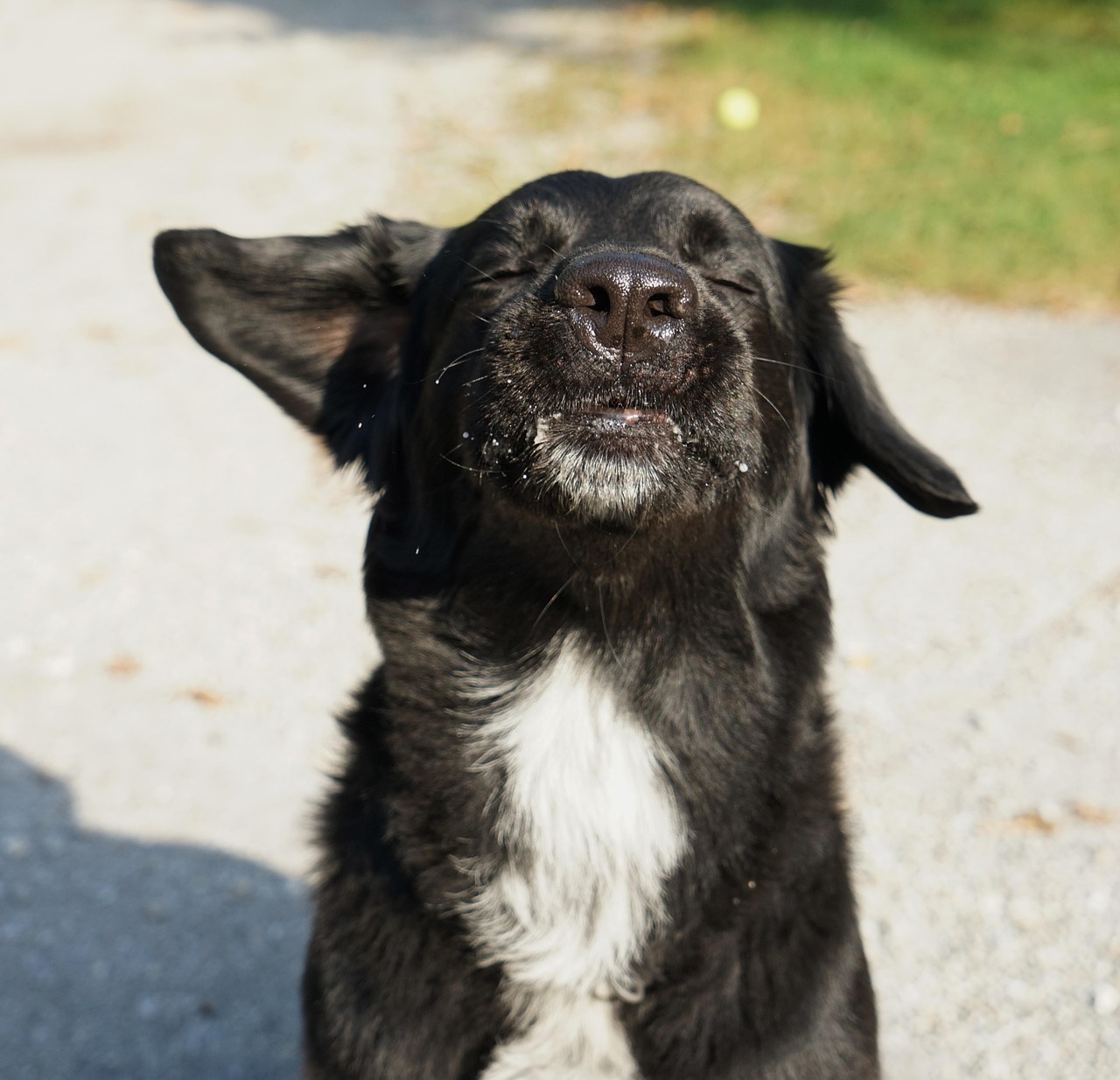
Training your dog is an incredibly rewarding experience, strengthening your bond and making daily life smoother and more enjoyable for both of you. A well-trained dog is not only a happier dog, but also a more confident and well-behaved companion. Mastering fundamental dog training commands can significantly improve communication, safety, and overall well-being. This guide will explore essential commands, offering practical advice to help you effectively train your furry friend.
Core Dog Training Commands
Sit
The “sit” command is often the first command taught, and for good reason. It’s a foundation for more complex training and useful in countless situations.
- How to Teach It: Hold a treat in front of your dog’s nose. Slowly move the treat upwards and slightly backwards towards their tail. As their nose follows the treat, they will naturally lower their rear end into a sitting position. As soon as their rear touches the ground, say “Sit” and give them the treat.
- Benefits:
Calming your dog in exciting situations.
Preventing jumping on guests.
Creating a polite greeting.
- Troubleshooting: If your dog jumps up instead of sitting, lower the treat slightly and try again. Practice in a quiet environment before introducing distractions.
Stay
“Stay” is a crucial command for safety and impulse control. It teaches your dog to remain in a specific position until released.
- How to Teach It: Have your dog sit. Hold your hand up in a “stop” gesture and say “Stay” firmly. Initially, only expect them to stay for a second or two. Gradually increase the duration of the stay, rewarding them for each success.
- Benefits:
Preventing your dog from running into traffic.
Keeping them safe in potentially dangerous situations.
Building self-control.
- Troubleshooting: If your dog breaks the stay, gently return them to the original position and start again with a shorter duration. Use positive reinforcement, even for small improvements.
Come
The “come” command is vital for recall and ensuring your dog’s safety. It can be a lifesaver in emergency situations.
- How to Teach It: Start in a quiet, enclosed area. Use a cheerful tone and say “Come!” while gently pulling them towards you on a leash. When they reach you, offer praise and a treat. Gradually increase the distance and introduce distractions.
- Benefits:
Reliable recall in any environment.
Increased off-leash freedom.
Immediate response to your commands in dangerous situations.
- Troubleshooting: Avoid using the “come” command for punishment, as this will associate it with negative experiences. If your dog doesn’t come immediately, go to them rather than repeating the command repeatedly.
Essential Commands for Daily Life
Down
The “down” command is useful for calming your dog and teaching them to relax. It can be particularly helpful in busy environments.
- How to Teach It: Hold a treat in your closed hand and lower it towards the floor. As your dog follows the treat, they should naturally lie down. Say “Down” as they are lowering themselves. Once they are fully lying down, give them the treat.
- Benefits:
Calming an overly excited dog.
Promoting relaxation in public places.
Discouraging begging at the table.
- Troubleshooting: If your dog sits instead of lying down, try guiding them with your hand towards the floor. Be patient and use plenty of positive reinforcement.
Leave It
“Leave It” is a powerful command that teaches your dog to ignore tempting objects. This is extremely important for safety to avoid ingestion of harmful substances.
- How to Teach It: Place a treat in your closed fist. Let your dog sniff and paw at it, but don’t open your hand. As soon as they stop trying to get the treat, say “Leave It” and give them a treat from your other hand. Gradually increase the difficulty by placing the treat on the floor and covering it with your hand.
- Benefits:
Preventing your dog from picking up dangerous objects.
Discouraging resource guarding.
Improving impulse control.
- Troubleshooting: Start with low-value items and gradually work your way up to more tempting objects. Be consistent with your commands and rewards.
Advanced Dog Training Commands
Heel
“Heel” teaches your dog to walk politely on a leash, beside you without pulling.
- How to Teach It: Keep your dog on a short leash on your left side. Hold treats in your left hand. Start walking, and as your dog walks beside you, say “Heel” and reward them frequently. If they start to pull ahead, stop walking until they are back in position and then proceed.
- Benefits:
Enjoyable walks without pulling or tugging.
Improved leash manners.
Greater control in public places.
- Troubleshooting: Keep the leash short and consistent. Use high-value treats to keep your dog’s attention. Practice in short sessions to avoid frustration.
Off
The “Off” command teaches your dog to get off furniture or stop jumping on people.
- How to Teach It: When your dog jumps up, say “Off” firmly. Gently guide them down if necessary. As soon as all four paws are on the floor, praise them and give them a treat.
- Benefits:
Discouraging unwanted jumping behavior.
Protecting furniture from damage.
* Creating a more polite and well-mannered dog.
- Troubleshooting: Be consistent with your commands and avoid rewarding jumping behavior in any way. Offer an alternative behavior, such as “Sit,” to receive attention.
Tips for Effective Dog Training
Consistency is Key
- Use the same commands consistently: Everyone in the household should use the same words and hand signals.
- Regular training sessions: Short, frequent training sessions (5-10 minutes) are more effective than long, infrequent ones.
- Practice in different environments: Once your dog has mastered a command in a quiet environment, practice it in more distracting settings.
Positive Reinforcement
- Reward desired behaviors: Use treats, praise, or toys to reward your dog for following commands.
- Avoid punishment: Punishment can create fear and anxiety, and it’s less effective than positive reinforcement.
- Be patient and understanding: Every dog learns at their own pace. Celebrate small successes and don’t get discouraged by setbacks.
Utilize Professional Resources
- Consider enrolling in a dog training class: A professional trainer can provide valuable guidance and support.
- Read books and articles on dog training: There are many excellent resources available to help you learn more about dog behavior and training techniques.
- Consult with a veterinarian or veterinary behaviorist: If you are experiencing significant challenges with your dog’s behavior, seek professional help.
Conclusion
Mastering these dog training commands provides a solid foundation for a well-behaved and happy canine companion. Remember that patience, consistency, and positive reinforcement are crucial elements of successful dog training. By investing time and effort into training, you’ll not only strengthen your bond with your dog but also create a safer and more enjoyable environment for both of you. So, grab those treats, start practicing, and enjoy the journey of training your best friend!