

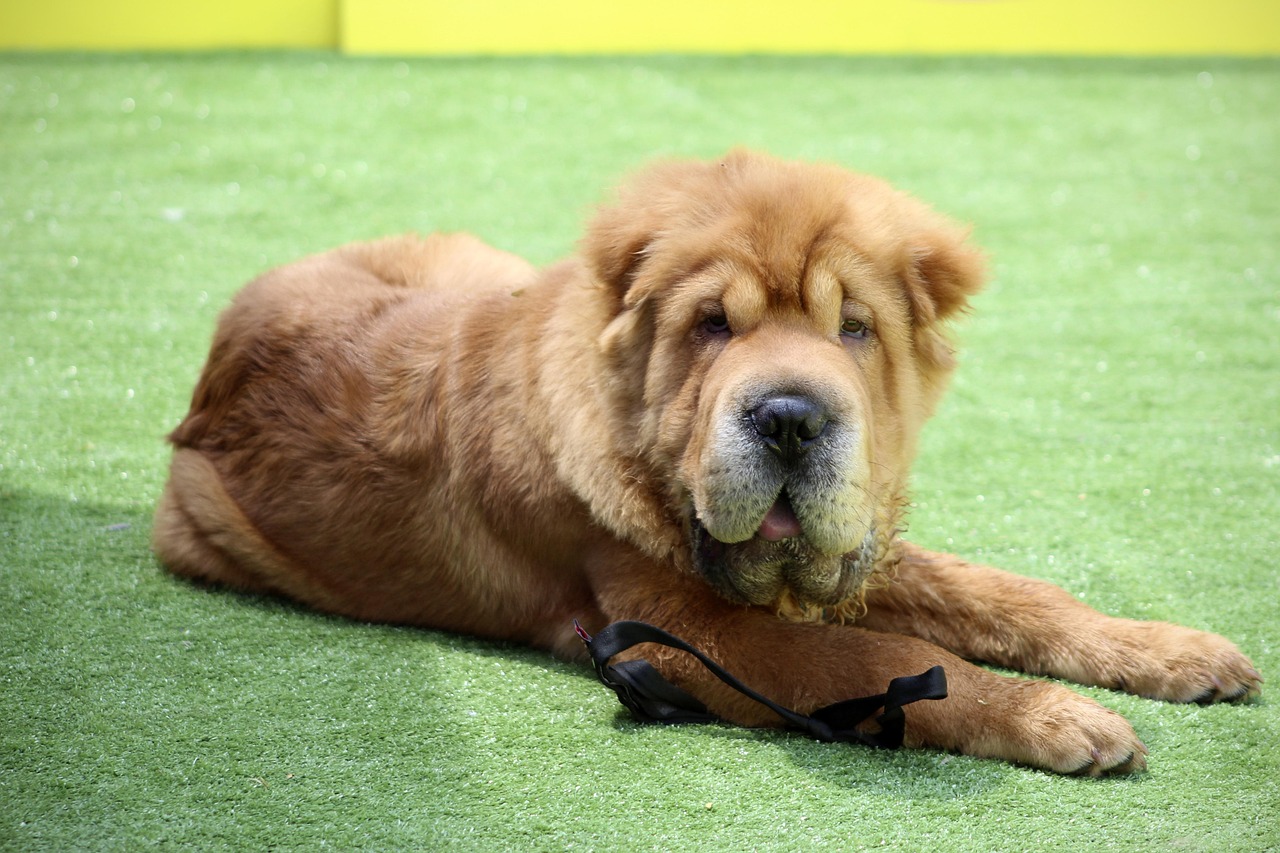
Bringing a rescue dog into your home is a rewarding experience, offering a second chance to a deserving animal. However, rescue dogs often come with unknown histories and potential behavioral challenges. Patience, understanding, and a structured training approach are crucial for helping your new companion adjust and thrive. This guide will provide you with the essential steps and strategies for successfully training your rescue dog, building a strong bond, and creating a happy, harmonious home.
Understanding Your Rescue Dog
Assessing Their Background and Temperament
Before diving into training, it’s vital to understand your dog’s background as much as possible. Information from the shelter or rescue organization can be invaluable. Ask about:
- Previous living conditions
- Known history of abuse or neglect
- Observed behavioral issues
- Medical history
Observe your dog’s behavior closely. Look for signs of:
- Anxiety or fearfulness (cowering, shaking, hiding)
- Aggression (growling, snapping, biting)
- Resource guarding (protecting food or toys)
- Separation anxiety (excessive barking, destructive behavior when alone)
This assessment will help you tailor your training approach to address specific needs and challenges. For example, a dog with separation anxiety will require a different training plan than a dog with no apparent behavioral issues. Remember, patience is key. It can take weeks or even months for a rescue dog to fully decompress and show their true personality.
The 3-3-3 Rule
The 3-3-3 rule is a helpful guideline for understanding the adjustment period for a rescue dog:
- 3 Days: Your dog is likely overwhelmed and may exhibit reserved or withdrawn behavior. Focus on providing a safe, quiet space and avoiding overwhelming them with too much attention.
- 3 Weeks: Your dog is starting to settle in and learn the routine. They might begin to show more of their personality, but may also test boundaries. Consistent rules and training are important during this phase.
- 3 Months: Your dog is generally comfortable and feels like part of the family. You’ll likely see a more stable personality and a stronger bond.
Keep in mind that this is just a guideline, and every dog adjusts at their own pace.
Creating a Safe and Secure Environment
Establishing a Den or Safe Space
A safe space is crucial for a rescue dog, offering them a retreat where they can feel secure and relaxed. This could be a crate, a dog bed in a quiet corner, or even a designated room.
- Make the space comfortable with soft bedding, toys, and a familiar scent (like a blanket you’ve worn).
- Never use the safe space as punishment. It should always be a positive and calming environment.
- Allow your dog to retreat to their safe space whenever they feel overwhelmed or stressed.
Setting Boundaries and Routines
Clear boundaries and a consistent routine provide structure and predictability, which can help reduce anxiety and promote a sense of security.
- Establish consistent feeding times, potty breaks, and walks.
- Enforce clear rules about what is and isn’t allowed in the house (e.g., no jumping on furniture, no begging at the table).
- Use positive reinforcement to reward desired behaviors and discourage unwanted ones.
Basic Training Techniques
Positive Reinforcement
Positive reinforcement is the most effective and humane method for training a rescue dog. It involves rewarding desired behaviors with treats, praise, or toys.
- Focus on rewarding good behavior rather than punishing bad behavior.
- Use high-value treats to motivate your dog, especially in the early stages of training.
- Keep training sessions short and positive, ending on a successful note.
- Be consistent with your commands and rewards.
Example: If you’re teaching your dog to sit, say “Sit” and immediately reward them with a treat when their rear touches the ground. Repeat this several times, gradually phasing out the treats and replacing them with praise.
Essential Commands
Start with basic commands such as:
- Sit: Helps with impulse control and general obedience.
- Stay: Teaches patience and helps prevent your dog from running into dangerous situations.
- Come: Essential for recall and safety.
- Down: Another command that promotes calmness and relaxation.
- Leave it: Crucial for preventing your dog from picking up dangerous or inappropriate items.
Each command should be taught in a quiet, distraction-free environment. Once your dog masters the commands in a controlled setting, gradually introduce distractions to generalize the behaviors.
Leash Training
Leash training is crucial for safe and enjoyable walks.
- Start by getting your dog comfortable wearing a collar or harness and leash inside the house.
- Gradually introduce them to walking on a leash in a low-distraction environment, such as your backyard.
- Use positive reinforcement to reward them for walking calmly beside you.
- If your dog pulls on the leash, stop walking and wait for them to relax before continuing.
Avoid using retractable leashes, as they can encourage pulling and provide less control. A standard leash or a front-clip harness are generally more effective for training.
Addressing Specific Behavioral Issues
Anxiety and Fearfulness
Many rescue dogs suffer from anxiety and fearfulness due to past experiences.
- Identify the triggers that cause your dog’s anxiety.
- Use counter-conditioning and desensitization techniques to gradually expose them to these triggers in a safe and controlled environment.
- Consider using calming aids such as pheromone diffusers or calming chews.
Example: If your dog is afraid of loud noises, start by playing recordings of these noises at a very low volume while providing treats and praise. Gradually increase the volume as your dog becomes more comfortable.
Aggression
Aggression can be a complex issue that requires professional help.
- Consult with a certified professional dog trainer or veterinary behaviorist to assess the cause of the aggression and develop a safe and effective training plan.
- Never attempt to handle aggressive behavior on your own, as this could put you and others at risk.
- Manage your dog’s environment to prevent triggering situations.
Resource Guarding
Resource guarding is when a dog becomes possessive of food, toys, or other items.
- Avoid taking items away from your dog, as this can worsen the problem.
- Practice “trading” with your dog by offering a higher-value item in exchange for the one they are guarding.
- Feed your dog in a quiet area where they won’t feel threatened.
Example: When feeding your dog, approach their bowl with a high-value treat and drop it in while they are eating. This will help them associate your presence with positive experiences.
Conclusion
Training a rescue dog requires patience, understanding, and a consistent approach. By creating a safe environment, establishing clear boundaries, and using positive reinforcement techniques, you can help your new companion overcome their past and thrive in their new home. Remember to seek professional help if you encounter significant behavioral challenges. With dedication and love, you can build a strong bond with your rescue dog and provide them with the happy and fulfilling life they deserve.