

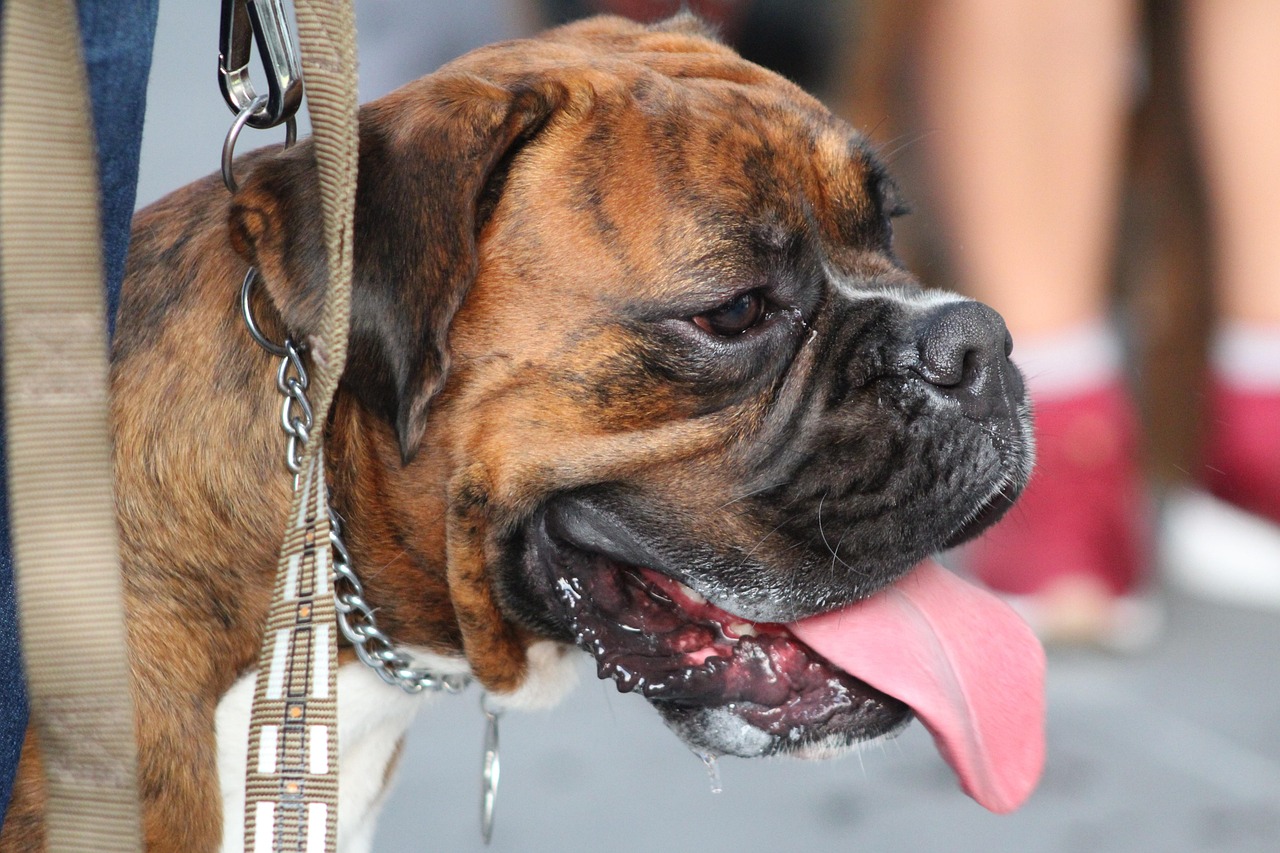
Bringing a rescue dog into your life is an incredibly rewarding experience. You’re offering a loving home to an animal in need, and in return, you’ll gain a loyal companion. However, rescue dogs often come with unique challenges stemming from their past experiences. Training a rescue dog requires patience, understanding, and a tailored approach that acknowledges their individual needs and potential trauma. This comprehensive guide will provide you with the tools and knowledge necessary to successfully train your rescue dog and build a strong, trusting bond.
Understanding Rescue Dogs: Preparing for Success
The Unique Challenges of Rescue Dogs
Rescue dogs have diverse backgrounds, ranging from abandonment and neglect to abuse and rehoming. This can result in various behavioral issues and emotional scars. Common challenges include:
- Anxiety and Fear: Fear of loud noises, strangers, or specific objects.
- Separation Anxiety: Distress when left alone. Studies show that separation anxiety affects a significant percentage of rescue dogs, impacting their quality of life and owner well-being.
- Reactivity: Aggressive or fearful reactions towards other animals or people.
- Lack of Socialization: Difficulty interacting appropriately with other dogs or humans.
- House Training Issues: Accidents indoors due to stress or inconsistent routines.
Assessing Your Rescue Dog’s Needs
Before starting any training program, it’s essential to assess your dog’s individual needs and personality. This involves:
- Observation: Spend time observing your dog’s behavior in different environments. Note any triggers for anxiety or fear.
- Consulting with Professionals: Speak to a veterinarian, certified dog trainer, or animal behaviorist for guidance. They can help identify potential medical or behavioral issues.
- Building Trust: Focus on creating a safe and comfortable environment for your dog. Avoid overwhelming them with too much interaction initially. Positive reinforcement, such as gentle petting and quiet praise, can help build trust.
Building a Foundation of Trust and Safety
Creating a Safe Haven
Your home should be a sanctuary for your rescue dog. Provide a comfortable and secure space where they can retreat when feeling overwhelmed. This could be a crate, a dog bed in a quiet corner, or even a designated room.
- Crate Training (Optional): A crate can provide a sense of security and den-like comfort. Introduce the crate gradually and make it a positive experience with treats and toys. Never use the crate as punishment.
- Establishing a Routine: Consistent feeding, walking, and playtime schedules can help reduce anxiety and provide a sense of predictability.
- Minimizing Stressors: Identify and minimize potential stressors in the environment, such as loud noises or unfamiliar visitors.
Positive Reinforcement Techniques
Positive reinforcement is the most effective and humane method for training rescue dogs. It involves rewarding desired behaviors with treats, praise, or toys, which encourages your dog to repeat those behaviors.
- Treats: Use high-value treats that your dog finds irresistible.
- Praise: Use a positive and enthusiastic tone of voice.
- Toys: Use toys that your dog enjoys, such as balls or chew toys.
- Clicker Training: A clicker can be used as a marker to signal the exact moment your dog performs the desired behavior. Follow the click immediately with a reward.
Basic Obedience Training
Essential Commands
Start with basic obedience commands such as:
- Sit: Hold a treat in front of your dog’s nose and move it up and back, encouraging them to sit. Say the word “sit” as they lower their rear. Reward them immediately when they sit.
- Stay: Have your dog sit and say “stay” while holding your hand up. Gradually increase the duration of the stay. Reward them for staying in place.
- Come: Use a cheerful tone and say “come.” Use a leash to gently guide your dog towards you if necessary. Reward them enthusiastically when they come to you.
- Down: Hold a treat in front of your dog’s nose and lower it to the ground, encouraging them to lie down. Say the word “down” as they lie down. Reward them immediately.
- Leave It: Place a treat on the floor and cover it with your hand. Say “leave it.” If your dog tries to get the treat, keep your hand covered. When they stop trying, reward them with a different treat from your other hand.
Leash Training
Leash training is essential for safety and control during walks.
- Introduce the Leash and Collar: Let your dog wear the leash and collar for short periods indoors to get them used to it.
- Start in a Quiet Area: Begin leash training in a quiet, enclosed area.
- Reward Loose-Leash Walking: Reward your dog for walking calmly beside you on a loose leash. Avoid pulling or jerking the leash.
- Gradually Increase Difficulty: As your dog progresses, gradually increase the difficulty by walking in more distracting environments.
Addressing Specific Behavioral Issues
Dealing with Anxiety and Fear
- Identify Triggers: Determine what triggers your dog’s anxiety or fear.
- Desensitization and Counter-Conditioning: Gradually expose your dog to the trigger in a controlled environment while pairing it with positive reinforcement. For example, if your dog is afraid of thunder, play thunder sounds at a low volume while giving them treats.
- Create a Safe Space: Provide a safe space where your dog can retreat when feeling anxious or afraid.
- Consider Medication: In severe cases, your veterinarian may recommend medication to help manage anxiety.
Managing Reactivity
- Avoid Triggers: Initially, avoid situations that trigger your dog’s reactivity.
- Distance Management: Maintain a safe distance from potential triggers.
- Focus Training: Train your dog to focus on you in the presence of triggers. Use high-value treats to reward them for looking at you instead of reacting.
- Professional Help: Consult with a certified dog trainer or animal behaviorist who specializes in reactivity. They can help you develop a customized training plan.
Conclusion
Training a rescue dog requires patience, dedication, and a tailored approach. Understanding their unique challenges, building trust, and utilizing positive reinforcement techniques are crucial for success. Remember to celebrate small victories and focus on progress, not perfection. With consistent effort and a loving environment, you can help your rescue dog overcome their past and thrive in their new home, forging an unbreakable bond built on trust and companionship. By taking the time to invest in training, you are not only improving your dog’s quality of life but also enriching your own.