

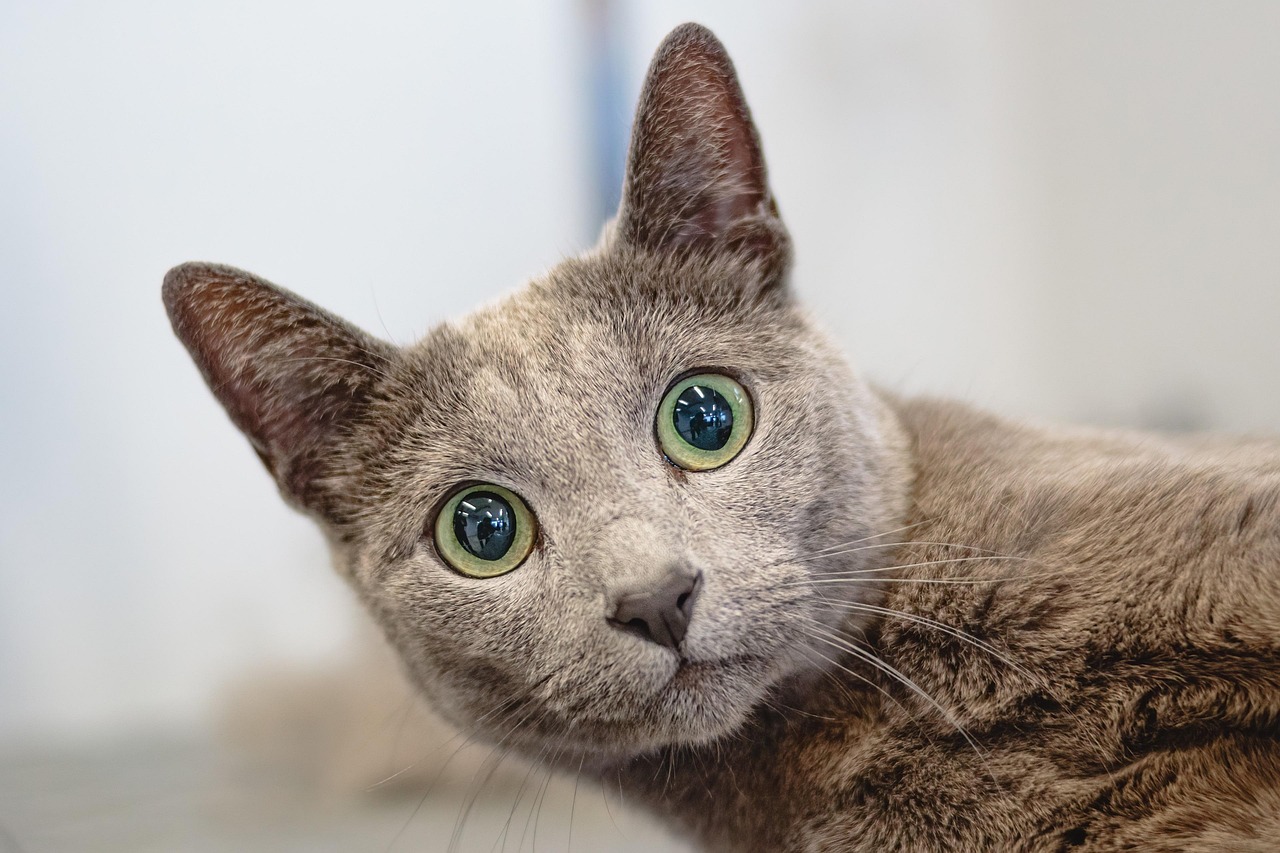
Taking care of our furry, feathered, or scaled companions brings immense joy, but it also comes with environmental responsibility. From the food we feed them to the waste they produce, our pets’ lives can have a significant impact on the planet. Thankfully, adopting eco-friendly pet care practices is easier than ever. This guide provides practical and actionable tips to help you minimize your pet’s paw print and create a healthier world for both them and future generations.
Eco-Friendly Pet Food Choices
A significant portion of a pet’s environmental impact comes from their diet. Choosing sustainable and ethical food options can make a real difference.
Understanding Food Labels and Ingredients
- Read Ingredient Lists Carefully: Look for foods that prioritize whole, recognizable ingredients over processed fillers. Avoid artificial colors, flavors, and preservatives.
- Source Matters: Consider the origin of the ingredients. Locally sourced ingredients are often more sustainable due to reduced transportation.
- Sustainability Certifications: Look for certifications like the Marine Stewardship Council (MSC) for seafood, indicating sustainable fishing practices.
- Protein Sources: Consider alternative protein sources. Insects, for example, require significantly less land and resources than traditional livestock farming. Some companies are now offering insect-based pet food options.
Reducing Food Waste
- Proper Portioning: Avoid overfeeding by measuring food accurately. Consult your vet for recommended portion sizes based on your pet’s age, weight, and activity level.
- Food Storage: Store pet food properly in airtight containers to prevent spoilage. This extends the shelf life and prevents unnecessary waste.
- Composting Food Scraps: If your pet leaves uneaten food, compost it instead of throwing it away. Ensure your compost system is pet-safe and that you only compost appropriate items (avoid cooked meats and bones).
- Repurposing Leftovers: If your pet has dietary restrictions and you often have leftovers, consider repurposing them into homemade treats (consult with your vet before making significant dietary changes).
DIY Pet Food (with Caution)
- Consult a Veterinary Nutritionist: Creating your own pet food requires careful planning to ensure it meets your pet’s specific nutritional needs. Work with a certified veterinary nutritionist to formulate balanced recipes.
- Source Ingredients Wisely: Choose organic and locally sourced ingredients whenever possible.
- Proper Storage and Handling: Homemade pet food needs to be stored and handled safely to prevent bacterial contamination.
Sustainable Pet Waste Management
Pet waste is a significant source of pollution. Proper disposal methods are essential for protecting our waterways and environment.
Eco-Friendly Poop Bags
- Biodegradable vs. Compostable: Understand the difference. Biodegradable bags break down over time, but may still leave microplastics. Compostable bags break down completely in a commercial composting facility.
- Plant-Based Options: Choose poop bags made from plant-based materials like cornstarch or vegetable oils.
- Avoid Plastic Bags: Conventional plastic bags can take hundreds of years to decompose.
- Reusable Options: For some situations, like backyard cleanup, reusable pet waste scoops and disposal systems can be a good option.
Composting Pet Waste (for Non-Food Gardens)
- Dedicated Pet Waste Composter: Use a dedicated composter specifically designed for pet waste. These systems typically use beneficial bacteria to break down the waste.
- Never Use on Edible Plants: Composted pet waste should never be used on vegetable gardens or plants that produce food for human consumption.
- Follow Guidelines Carefully: Follow the manufacturer’s instructions for your composter to ensure proper decomposition and pathogen control.
Responsible Disposal Practices
- Pick Up After Your Pet: Always clean up after your pet in public areas and dispose of waste properly.
- Designated Disposal Bins: Utilize designated pet waste disposal bins where available.
- Avoid Flushing Down the Toilet: Unless specifically instructed otherwise by your local waste management authority, avoid flushing pet waste down the toilet as it can overwhelm wastewater treatment systems.
Eco-Friendly Pet Supplies and Toys
From beds to toys, many pet products are made with unsustainable materials. Choosing eco-friendly alternatives reduces your pet’s environmental footprint.
Choosing Sustainable Materials
- Recycled Materials: Look for pet beds, toys, and accessories made from recycled materials like recycled plastic bottles, reclaimed wood, or recycled fabrics.
- Organic Cotton: Opt for organic cotton beds, blankets, and clothing to avoid pesticides and herbicides used in conventional cotton farming.
- Natural Rubber: Choose toys made from natural rubber instead of synthetic rubber.
- Bamboo: Bamboo is a rapidly renewable resource and is a great option for bowls, grooming tools, and other pet products.
DIY Toys and Enrichment
- Repurpose Old Items: Give old t-shirts, socks, and towels a new life by turning them into dog toys. Knot the fabric together to create a tug toy, or stuff an old sock with plastic bottles to create a crinkly toy.
- Cardboard Boxes: Cats love playing with cardboard boxes. Provide them with a variety of boxes to explore and scratch.
- DIY Puzzle Toys: Create your own puzzle toys using household items like toilet paper rolls and egg cartons. Hide treats inside and let your pet figure out how to retrieve them.
Responsible Consumption
- Buy Only What You Need: Avoid impulse purchases and only buy pet supplies that you truly need.
- Support Sustainable Brands: Choose brands that are committed to ethical and sustainable practices.
- Repair and Reuse: Before replacing a damaged item, see if you can repair it.
- Donate or Recycle: When you no longer need a pet item, donate it to a local shelter or rescue organization, or recycle it if possible.
Eco-Friendly Grooming Practices
Grooming is an essential part of pet care, but it can also have an environmental impact. Choosing eco-friendly grooming products and practices minimizes this impact.
Natural and Organic Grooming Products
- Read Labels Carefully: Avoid products containing harsh chemicals, artificial fragrances, and parabens.
- Look for Natural Ingredients: Choose shampoos, conditioners, and grooming sprays made with natural and organic ingredients like aloe vera, coconut oil, and essential oils.
- Cruelty-Free Products: Ensure that the products you choose are cruelty-free and not tested on animals.
- DIY Grooming Solutions: Some simple grooming solutions can be made at home. For example, you can use a diluted apple cider vinegar solution to clean your dog’s ears. However, always consult with your veterinarian before using any DIY grooming solutions.
Water Conservation
- Spot Cleaning: Instead of bathing your pet frequently, spot clean them as needed using a damp cloth or pet wipes.
- Efficient Bathing Techniques: When bathing your pet, use a low-flow showerhead or a bucket to conserve water.
- Reduce Bathing Frequency: Over-bathing can strip your pet’s skin of its natural oils, leading to dryness and irritation. Only bathe your pet when necessary.
Sustainable Grooming Tools
- Bamboo Brushes: Choose brushes and combs made from bamboo, a rapidly renewable resource.
- Metal Combs: Metal combs are durable and long-lasting.
- Avoid Plastic: Opt for grooming tools made from natural materials instead of plastic.
- Proper Disposal: Dispose of grooming waste (e.g., hair) responsibly by composting it if possible.
Conclusion
Adopting eco-friendly pet care practices is a win-win for both your pet and the planet. By making conscious choices about food, waste management, supplies, and grooming, you can significantly reduce your pet’s environmental impact and contribute to a more sustainable future. Every small change adds up, and together, we can create a healthier world for our beloved companions and generations to come.