

Training your dog to sit is one of the foundational commands that opens doors to better communication and a stronger bond. Not only is it a polite behavior that’s useful in a variety of situations, but it’s also a stepping stone to teaching more complex tricks and commands. Plus, it’s a fantastic way to manage your dog’s energy and focus, making walks, vet visits, and social interactions more enjoyable for both of you. This guide will walk you through the steps to teach your dog to sit effectively and positively.
Getting Started: Preparing for Success
Choosing the Right Time and Place
Setting the stage for success is crucial. Training sessions should be short, positive, and free from distractions. Aim for sessions that last just 5-10 minutes, a few times a day.
- Timing: Train when your dog is alert and moderately hungry. Avoid training right after a meal, as they might be less motivated.
- Location: Start in a quiet room with minimal distractions. As your dog progresses, gradually introduce more challenging environments like your backyard or a local park.
- Consistency: Stick to a consistent training schedule for optimal results.
Gathering Essential Tools
You won’t need much to start, but having the right tools on hand can make the process smoother and more enjoyable.
- High-Value Treats: These are small, delicious treats that your dog loves. Think small pieces of cooked chicken, cheese, or commercially available training treats.
- Clicker (Optional): A clicker can be used as a marker to pinpoint the exact moment your dog performs the desired behavior. If you choose to use one, you’ll need to condition your dog to associate the click with positive reinforcement before starting training.
- Leash (For Some Dogs): A leash can be helpful, particularly with excitable dogs, to gently guide them into position.
The Step-by-Step Guide to Teaching “Sit”
Luring Your Dog into a Sit
This is the most common and effective method for teaching sit to most dogs.
Adding the Verbal Cue
Once your dog is consistently sitting when lured with the treat, you can introduce the verbal cue.
Phasing Out the Lure
The goal is to get your dog to sit on command without needing a treat in your hand.
Common Challenges and Solutions
Dog Not Sitting
If your dog isn’t sitting when you move the treat, consider these possibilities:
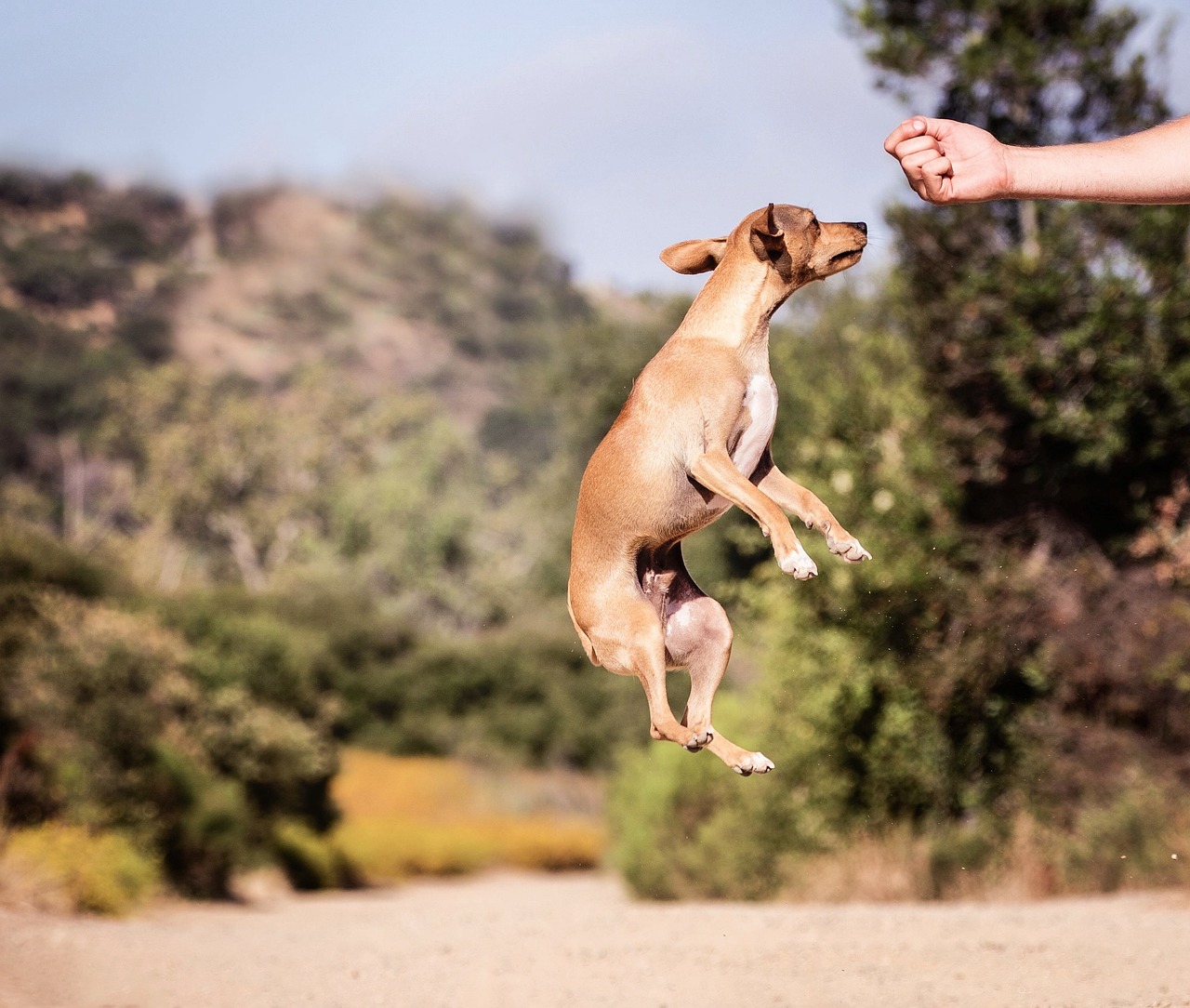
- Treat Too High: You might be holding the treat too high, causing them to jump up instead of sit.
- Treat Too Fast: You might be moving the treat too quickly. Try slowing down the movement.
- Distractions: Make sure the environment is free from distractions.
Dog Getting Up Immediately
If your dog sits but then immediately gets up, try the following:
- Delay the Reward: Wait a second or two before giving the treat. Gradually increase this time as they get better at staying in the sit.
- Use a Release Word: Teach a release word like “Okay” to signal when they are free to get up.
General Tips
- Be Patient: It takes time and patience to train a dog. Don’t get discouraged if your dog doesn’t learn the command immediately.
- Keep it Positive: Use positive reinforcement methods only. Avoid punishment, yelling, or scolding.
- Consistency is Key: Practice regularly and be consistent with your commands and rewards.
Conclusion
Teaching your dog to sit is a rewarding experience that strengthens your bond and improves their overall behavior. By following these steps and being patient and consistent, you can successfully teach your dog this essential command. Remember to celebrate small victories and enjoy the journey of learning and growing together. With dedication and a positive approach, you’ll have a well-behaved companion who responds reliably to your commands.