

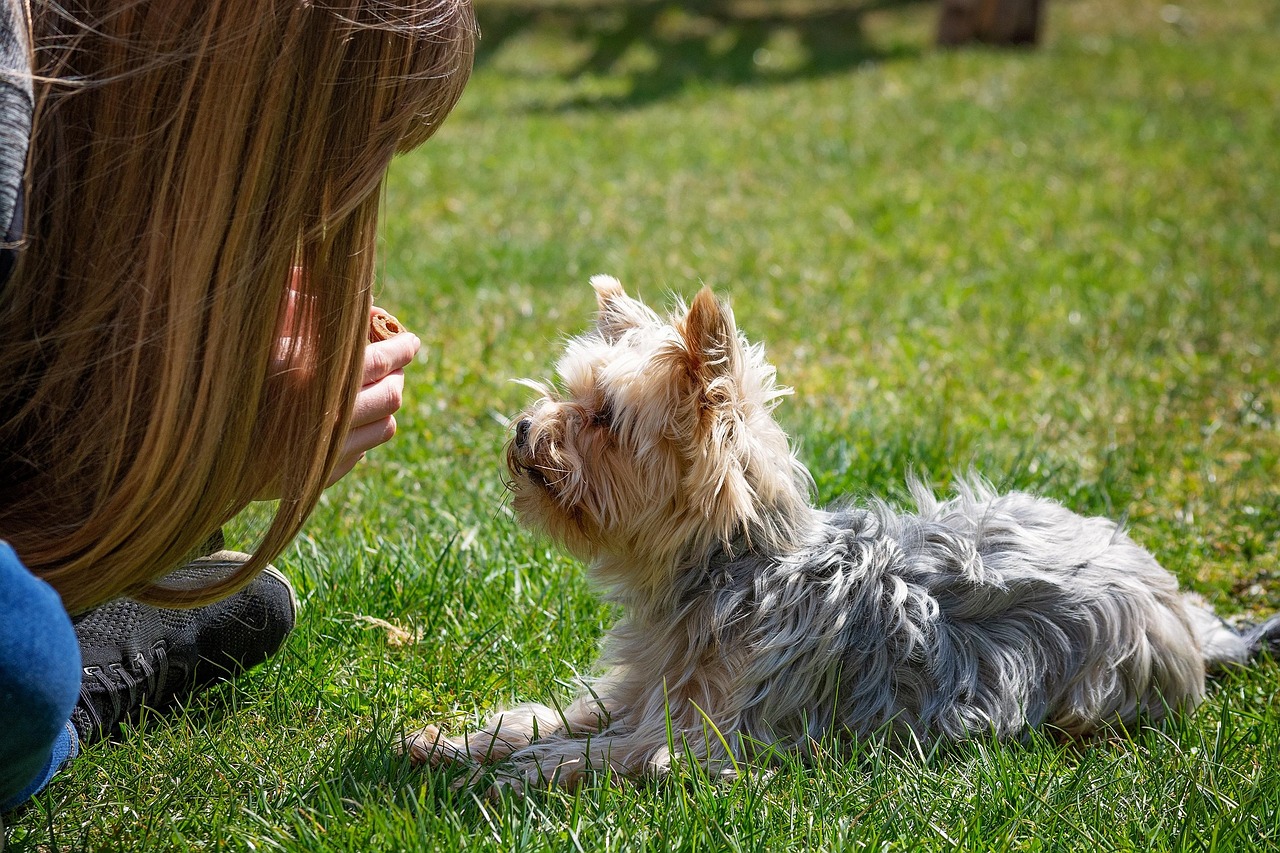
Teaching your dog the “stay” command is more than just a cool trick; it’s a foundational element for a well-behaved and safe canine companion. A solid “stay” builds impulse control, strengthens your bond, and provides invaluable control in various situations, from preventing your dog from dashing into traffic to calmly waiting for their food. Let’s break down how to teach your dog to stay, step-by-step, using positive reinforcement techniques.
Why “Stay” is Essential for Your Dog
Benefits of a Reliable “Stay”
Teaching your dog to “stay” offers numerous benefits, contributing to their safety and your peace of mind. Here’s why it’s a must-have command:
- Safety: Prevents your dog from running into dangerous situations like roads or approaching aggressive animals.
- Impulse Control: Teaches your dog to resist immediate impulses, leading to better overall behavior.
- Convenience: Allows you to leave your dog briefly without worry, like answering the door or grabbing something from the car.
- Improved Training: Strengthens the bond and enhances communication between you and your dog, making other training easier.
- Veterinary Visits: Makes vet visits less stressful, allowing the vet to examine your dog more easily.
- Grooming: Aids in easier grooming sessions, preventing squirming or bolting during brushing or nail trims.
When to Start Teaching “Stay”
It’s generally recommended to start teaching “stay” after your dog has mastered basic commands like “sit” and “come”. Aim for puppies around 6 months or older, or adult dogs who have a basic understanding of obedience. Short, frequent training sessions are more effective than long, infrequent ones.
Getting Started: Tools and Preparation
Essential Tools
- High-Value Treats: Small, palatable treats that your dog loves. Think tiny pieces of cheese, cooked chicken, or hot dogs.
- Clicker (Optional): A clicker can be used as a marker signal to indicate the exact moment your dog performs the desired behavior.
- Quiet Training Area: A distraction-free environment where your dog can focus.
- Leash (Initially): A leash can help prevent your dog from wandering off during the early stages of training.
Setting the Stage for Success
Before you begin, ensure your dog is relaxed and attentive. Avoid training when your dog is overly excited, tired, or hungry. Keep training sessions short (5-10 minutes) and fun, ending on a positive note. It’s crucial to create a positive and encouraging atmosphere.
The Step-by-Step “Stay” Training Method
Step 1: The Stationary “Stay”
Example: “Stay” (1 second) – Reward. “Stay” (2 seconds) – Reward. “Stay” (3 seconds) – Reward.
Step 2: Adding Distance
Example: “Stay” – one step away, return, reward. “Stay” – two steps away, return, reward.
Step 3: Introducing Distractions
Examples: Dropping a toy, having someone ring the doorbell (from a distance), or having another dog walk past.
Step 4: Adding Duration, Distance, and Distractions Simultaneously
Example: “Stay” while you open the door, “Stay” while you greet a friend on a walk, “Stay” while you pick up something you dropped.
Step 5: The Release Command
Troubleshooting Common “Stay” Problems
Dog Breaks the “Stay”
- Reason: Insufficient training, distractions, too long of a duration, or not enough reinforcement.
- Solution: Reduce the duration or distance, remove distractions, and increase the frequency of rewards. Go back a step in your training.
Dog Gets Up Slowly
- Reason: Anticipation of the release command.
- Solution: Vary the duration of the stay, and sometimes reward them while they’re in the “stay” position to prevent them from anticipating the release.
Dog Is Too Anxious
- Reason: High-strung personality or lack of confidence.
- Solution: Keep training sessions short and positive, using a calm and reassuring voice. Start with very short durations and gradually increase the difficulty.
Dog Only “Stays” When Treats Are Visible
- Reason: Your dog is associating the stay with the presence of a treat, rather than the command itself.
- Solution: Gradually phase out the visible treat lure. Use hand signals and verbal praise, and only reward with a treat intermittently.
Conclusion
Teaching your dog to “stay” is a rewarding process that enhances their safety, strengthens your bond, and contributes to their overall well-being. By following these steps, being patient, and using positive reinforcement, you can successfully train your dog to master the “stay” command. Remember consistency, patience, and a positive attitude are key to success. Keep practicing, and you’ll have a well-behaved companion who can stay reliably in any situation.