

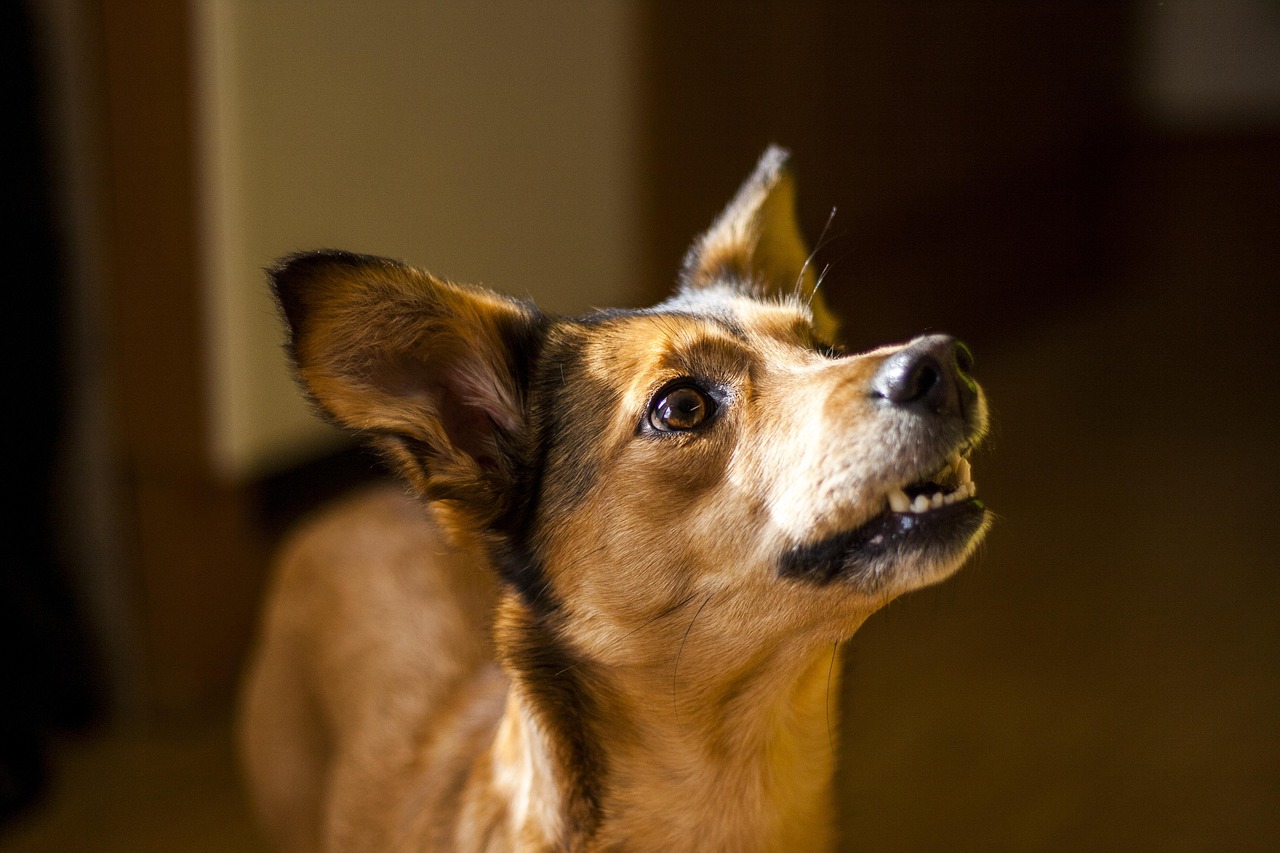
Bringing a rescue dog into your home is a profoundly rewarding experience, offering a second chance to a deserving animal. However, it’s also important to acknowledge that rescue dogs often come with unique challenges. Past experiences, varying from neglect to abuse, can significantly impact their behavior and temperament. Successfully integrating a rescue dog into your life requires patience, understanding, and a tailored training approach. This guide will provide you with the essential knowledge and practical tips to help your rescue dog thrive in their new forever home.
Understanding Your Rescue Dog
Assessing Your Dog’s Background (If Possible)
While you may not always know the complete history of your rescue dog, gathering as much information as possible is crucial. Talk to the shelter or rescue organization about:
- Known history: Was the dog found as a stray, or surrendered by a previous owner? Knowing this can give clues to their past experiences.
- Medical history: What vaccinations have they received? Are there any known health concerns or behavioral issues the shelter is aware of?
- Temperament assessment: How does the dog interact with other dogs, cats, and people (adults and children)? What seems to trigger fear or anxiety?
Even small pieces of information can help you anticipate potential challenges and tailor your training strategy. For example, a dog surrendered due to “moving to a smaller apartment” may have good house manners but be stressed in a noisy environment. A stray may have resource guarding issues.
Recognizing Common Behavioral Issues in Rescue Dogs
Rescue dogs are prone to certain behavioral challenges stemming from their past. Being prepared for these common issues is key:
- Anxiety: This can manifest as separation anxiety, noise phobias (thunder, fireworks), or generalized anxiety. Signs include excessive barking, destructive behavior, pacing, and trembling.
- Fearfulness: Rescue dogs may be scared of strangers, loud noises, or specific objects (e.g., brooms, hats). They might cower, hide, or show signs of aggression due to fear.
- Resource Guarding: This involves protecting food, toys, or even people. Signs include growling, snapping, or becoming possessive when someone approaches their valued resources.
- House Soiling: Accidents can happen, especially in the initial adjustment period. This could be due to stress, lack of housetraining, or underlying medical conditions.
- Destructive Chewing: Boredom, anxiety, or teething (in puppies) can lead to destructive chewing.
- Actionable Takeaway: Educate yourself about these common issues and be prepared to address them with patience and positive reinforcement techniques.
Creating a Safe and Secure Environment
Establishing a Routine
A predictable routine is crucial for helping your rescue dog feel safe and secure. Structure can significantly reduce anxiety and provide a sense of normalcy.
- Consistent feeding schedule: Feed your dog at the same times each day.
- Regular walks/potty breaks: Establish a consistent schedule for outdoor time.
- Designated sleeping area: Provide a comfortable and safe space for your dog to rest.
- Consistent training sessions: Short, positive reinforcement-based training sessions can build confidence and bond you to your dog.
- Example: Walk your dog every morning at 7 am, feed them breakfast at 8 am, have a short training session at 10 am, a lunchtime potty break at noon, an afternoon walk at 4 pm, dinner at 6 pm, and a final potty break before bed.
Setting Up a Safe Zone
Designate a specific area in your home as your dog’s “safe zone.” This should be a quiet and comfortable space where they can retreat when feeling overwhelmed.
- Crate training: A crate can be a great option for a safe zone, providing a den-like environment.
- Comfortable bedding: Make sure the safe zone has soft bedding, such as a dog bed or blankets.
- Favorite toys: Include a few of your dog’s favorite toys in the safe zone.
- Avoid forcing: Never force your dog into the safe zone or use it as punishment. It should always be a positive and voluntary retreat.
Introducing the Environment Slowly
Avoid overwhelming your rescue dog by introducing them to the entire house at once.
- Start small: Begin by confining them to one or two rooms initially.
- Gradually expand: Slowly introduce them to other areas of the house as they become more comfortable.
- Supervise interactions: Supervise all interactions with other pets or family members closely.
- Avoid large gatherings: In the beginning, limit the number of visitors to your home to minimize stress for your dog.
- Actionable Takeaway: Create a safe and predictable environment for your rescue dog by establishing a routine, setting up a safe zone, and introducing them to their new home gradually.
Positive Reinforcement Training Techniques
The Power of Positive Reinforcement
Positive reinforcement is the most effective and humane way to train a rescue dog. It focuses on rewarding desired behaviors, making learning a positive and enjoyable experience for your dog.
- Rewards-based training: Use treats, praise, toys, or anything else your dog finds motivating to reinforce desired behaviors.
- Avoid punishment: Punishment can create fear and anxiety, which can worsen behavioral problems in rescue dogs.
- Consistency is key: Be consistent with your commands and rewards to avoid confusing your dog.
- Patience is essential: Remember that rescue dogs may have a history of trauma or neglect, so patience is crucial.
Basic Commands
Start with basic commands like “sit,” “stay,” “come,” and “leave it.”
- “Sit”: Hold a treat in front of your dog’s nose and slowly move it upwards and backwards. As their nose follows the treat, they will naturally lower into a sit. Say “sit” as they are sitting, and reward them immediately with the treat and praise.
- “Stay”: Ask your dog to sit, then hold your hand up in a “stop” gesture and say “stay.” Start with short durations (a few seconds) and gradually increase the time as your dog becomes more proficient.
- “Come”: Use a happy and enthusiastic tone to say “come.” When your dog comes to you, reward them with a treat and lots of praise.
- “Leave it”: Place a treat on the floor and cover it with your hand. When your dog tries to get the treat, say “leave it.” As soon as they stop trying to get the treat, reward them with a different, higher-value treat from your other hand.
Addressing Specific Behavioral Issues
Tailor your training approach to address any specific behavioral issues your rescue dog may be exhibiting.
- Anxiety: Use counter-conditioning and desensitization techniques to help your dog overcome their fears. For example, if your dog is afraid of thunder, play recordings of thunder at a very low volume while giving them treats. Gradually increase the volume over time as they become more comfortable.
- Resource Guarding: Work with a professional trainer to safely address resource guarding. This often involves teaching your dog to associate people approaching their resources with positive experiences (e.g., giving them a higher-value treat).
- House Soiling: Re-establish house-training as if the dog is a puppy, taking them outside frequently and rewarding them for eliminating in the correct spot. Clean up accidents thoroughly to eliminate odors that might attract them back to the same spot.
- Actionable Takeaway: Employ positive reinforcement training techniques to teach your rescue dog basic commands and address any specific behavioral issues they may be exhibiting. Remember to be patient, consistent, and avoid punishment.
Socialization and Exposure
Gradual Introduction to New Experiences
Socialization is crucial for helping your rescue dog become well-adjusted and confident. However, it’s important to introduce them to new experiences gradually.
- Controlled environments: Start with controlled environments, such as quiet parks or dog-friendly stores during off-peak hours.
- Positive associations: Make sure all new experiences are positive by pairing them with treats, praise, or toys.
- Avoid overwhelming: If your dog seems stressed or overwhelmed, remove them from the situation immediately and try again later at a slower pace.
- Observe body language: Pay close attention to your dog’s body language to gauge their comfort level. Signs of stress include tucked tail, flattened ears, lip licking, yawning, and whale eye (showing the whites of their eyes).
Interacting with Other Dogs
Carefully introduce your rescue dog to other dogs.
- Leash walks: Start with parallel walks on leash, keeping a safe distance between the dogs.
- Neutral territory: Arrange a meeting in a neutral territory, such as a park, rather than in one dog’s home.
- Supervised play: Allow the dogs to interact off-leash only under close supervision, and separate them immediately if you see any signs of aggression or discomfort.
- Consider temperament: Consider the temperament of both dogs when introducing them. A calm and well-socialized dog can be a good influence on a fearful or anxious rescue dog.
Interacting with People
Introduce your rescue dog to new people gradually and positively.
- Slow approach: Instruct people to approach your dog slowly and calmly, avoiding direct eye contact.
- Treat offerings: Have people offer your dog treats to create a positive association.
- Respect boundaries: Teach children to respect your dog’s boundaries and avoid approaching them when they are eating, sleeping, or in their safe zone.
- Actionable Takeaway: Socialize your rescue dog gradually by introducing them to new experiences, other dogs, and people in a controlled and positive manner.
Seeking Professional Help
When to Consult a Veterinarian
Consult a veterinarian if you notice any signs of illness or injury in your rescue dog. Certain medical conditions can contribute to behavioral problems.
- Sudden changes in behavior: If your dog suddenly becomes aggressive, anxious, or withdrawn, it’s important to rule out any underlying medical causes.
- Loss of appetite or weight loss: These can be signs of a medical condition that needs to be addressed.
- Excessive thirst or urination: These can be symptoms of diabetes or kidney disease.
Working with a Professional Dog Trainer or Behaviorist
If you are struggling to address your rescue dog’s behavioral issues on your own, consider working with a professional dog trainer or behaviorist.
- Certified professionals: Look for trainers who are certified by reputable organizations such as the Certification Council for Professional Dog Trainers (CCPDT) or the Karen Pryor Academy.
- Positive reinforcement methods: Ensure that the trainer uses positive reinforcement methods and avoids punishment-based techniques.
- Individualized approach: A good trainer will develop a training plan that is tailored to your dog’s specific needs and personality.
- Veterinary Behaviorist: For severe behavioral issues, consulting with a Veterinary Behaviorist (DVM, DACVB) is recommended. These are vets with specialized training in animal behavior.
- Actionable Takeaway: Don’t hesitate to seek professional help from a veterinarian or a qualified dog trainer/behaviorist if you are struggling to address your rescue dog’s behavioral issues.
Conclusion
Training a rescue dog requires patience, understanding, and a commitment to positive reinforcement techniques. By creating a safe and secure environment, establishing a routine, socializing your dog gradually, and seeking professional help when needed, you can help your rescue dog overcome their past and thrive in their new forever home. The bond you form with a rescue dog is incredibly rewarding, and the journey is well worth the effort. Remember that every dog is an individual, and what works for one dog may not work for another. Be adaptable, be patient, and celebrate every success along the way.