

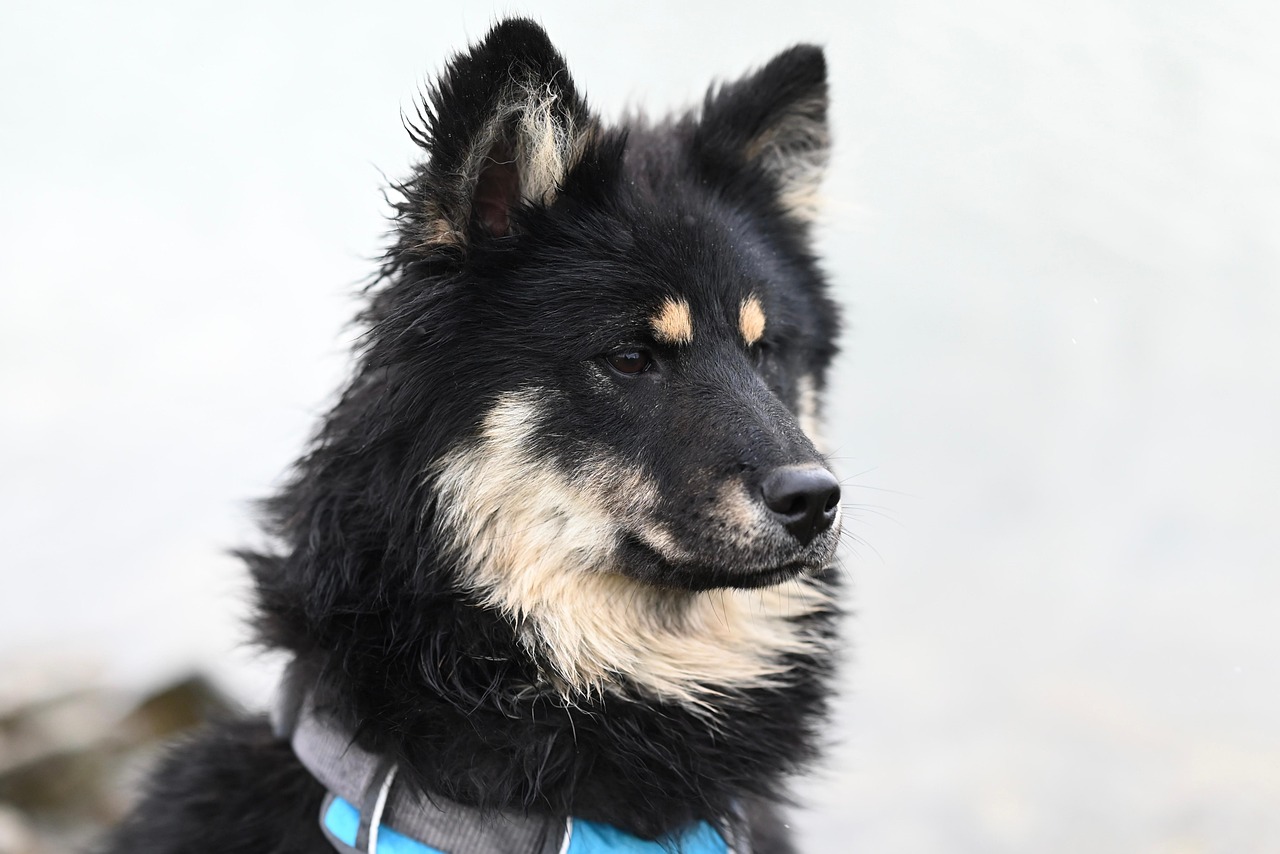
Keeping your dog happy and healthy involves more than just food and shelter. Mental stimulation and physical activity are crucial for preventing boredom, reducing anxiety, and strengthening the bond between you and your furry friend. Finding fun and engaging activities tailored to your dog’s breed, age, and personality is key to a fulfilling life for them. This post will explore a variety of enjoyable activities you can do with your dog to keep them entertained and thriving.
Engaging in Interactive Play
Interactive play is a fantastic way to exercise your dog’s mind and body. These activities encourage interaction between you and your dog, strengthening your bond and providing mental stimulation.
Fetch and Retrieve Games
- Description: A classic game that involves throwing a toy (ball, frisbee, or stick) for your dog to chase and bring back.
- Benefits:
Great cardiovascular exercise.
Satisfies your dog’s natural chasing instincts.
Simple and requires minimal equipment.
- Practical Tips:
Start with short distances and gradually increase the throwing range.
Use a toy that’s easy for your dog to grip.
Teach your dog a reliable “drop it” command to prevent them from hoarding the toy.
Be mindful of your dog’s age and physical limitations.
- Variations: Use a Chuckit! launcher to increase the throwing distance. Try hiding the toy and having your dog find it.
Tug-of-War
- Description: A playful game where you and your dog pull on opposite ends of a rope toy.
- Benefits:
Provides a good workout for your dog’s muscles.
Satisfies their natural prey drive.
Can be used as a training tool (teaching “take” and “release” commands).
- Practical Tips:
Establish clear rules: you decide when the game starts and ends.
Avoid overly aggressive tugging; keep it playful.
If your dog’s teeth touch your hand, immediately stop the game.
Use a durable rope toy specifically designed for tug-of-war.
- Important Note: Some older training methods discouraged tug-of-war. However, modern positive reinforcement training recognizes its benefits when played correctly.
Puzzle Toys
- Description: Toys designed to challenge your dog’s problem-solving skills, often by hiding treats or kibble inside.
- Benefits:
Mental stimulation that can tire out your dog more effectively than physical exercise alone.
Prevents boredom and reduces destructive behavior.
Encourages independent play.
- Practical Examples:
Treat-dispensing balls: Your dog rolls the ball around to release treats.
Puzzle feeders: Your dog has to manipulate levers, slides, or rotating compartments to access food.
Snuffle mats: A mat with fabric strips where you can hide treats, encouraging your dog to use their nose to find them.
- Tips: Start with easy puzzles and gradually increase the difficulty as your dog gets better.
Exploring the Great Outdoors
Outdoor activities are essential for a dog’s physical and mental well-being. Fresh air, sunshine, and new environments stimulate their senses and provide opportunities for exercise.
Hiking and Trail Walking
- Description: Taking your dog on hikes or walks in nature trails.
- Benefits:
Excellent cardiovascular exercise.
Exposure to new sights, smells, and sounds.
Opportunity for socialization (if other dogs are present).
- Practical Considerations:
Choose trails appropriate for your dog’s fitness level.
Bring plenty of water for both you and your dog.
Be aware of wildlife and potential hazards (e.g., poisonous plants, snakes).
Use a leash to keep your dog safe and under control.
Consider a dog backpack for carrying water, treats, and waste bags.
Swimming
- Description: Taking your dog swimming in a pool, lake, or ocean.
- Benefits:
Low-impact exercise that’s easy on the joints.
Good for dogs with arthritis or other mobility issues.
Provides a full-body workout.
- Safety Tips:
Introduce your dog to swimming gradually.
Use a dog life jacket, especially for inexperienced swimmers.
Supervise your dog closely at all times.
Be aware of water conditions (e.g., temperature, currents).
Rinse your dog off after swimming to remove chlorine or salt.
- Breeds: Labrador Retrievers, Golden Retrievers, and Portuguese Water Dogs are generally strong swimmers, but all dogs can learn to enjoy the water with proper introduction.
Dog Parks
- Description: Designated areas where dogs can run, play, and socialize off-leash.
- Benefits:
Provides an opportunity for social interaction with other dogs.
Allows dogs to burn off energy in a safe, enclosed environment.
Can help reduce dog-on-dog aggression.
- Important Considerations:
Make sure your dog is well-socialized and responds to commands.
Be aware of other dogs’ temperaments and avoid those that seem aggressive.
Supervise your dog closely at all times.
Follow the park’s rules and regulations.
Pick up after your dog.
Training and Agility
Training and agility activities provide mental stimulation and strengthen the bond between you and your dog through teamwork and communication.
Obedience Training
- Description: Teaching your dog basic commands such as “sit,” “stay,” “come,” and “down.”
- Benefits:
Improves communication and strengthens your bond.
Provides mental stimulation and prevents boredom.
Enhances your dog’s safety and control.
- Training Methods:
Positive reinforcement (using treats, praise, or toys as rewards).
Clicker training (associating a clicker sound with positive reinforcement).
- Resources:
Local dog training classes.
Online training programs.
Books and videos on dog training.
Agility Training
- Description: Guiding your dog through an obstacle course that includes jumps, tunnels, weave poles, and other challenges.
- Benefits:
Excellent physical and mental exercise.
Improves coordination and balance.
Strengthens your bond through teamwork.
- Getting Started:
Start with basic obstacles and gradually increase the difficulty.
Use positive reinforcement to encourage your dog.
Consider joining an agility club or taking classes.
Many readily available and cost effective agility sets can be found online.
Scent Work
- Description: Training your dog to find specific scents, such as essential oils or hidden objects.
- Benefits:
Taps into your dog’s natural scenting abilities.
Provides mental stimulation and can be very tiring.
Can be done indoors or outdoors.
- Practical Examples:
Hide treats or toys with a specific scent and have your dog find them.
Use a scent-detection kit to train your dog to identify different scents.
Many dog training facilities offer scent work classes.
Socialization and Community
Socialization and involvement in your community can provide new experiences for your dog, helping them become well-adjusted and confident companions.
Dog-Friendly Events
- Description: Attending events specifically designed for dogs, such as festivals, parades, and adoption events.
- Benefits:
Provides opportunities for socialization with other dogs and people.
Introduces your dog to new environments and experiences.
Supports local animal shelters and rescue organizations.
- Before You Go:
Ensure your dog is comfortable in crowds and around other dogs.
Keep your dog on a leash at all times.
Bring water and waste bags.
Be aware of potential hazards (e.g., loud noises, hot pavement).
Visiting Dog-Friendly Businesses
- Description: Taking your dog to stores, restaurants, and other businesses that welcome canine companions.
- Benefits:
Provides opportunities for socialization and exposure to new environments.
Allows you to spend more time with your dog.
Supports businesses that cater to pet owners.
- Before You Visit:
Check the business’s pet policy beforehand.
Ensure your dog is well-behaved and doesn’t disturb other customers.
Keep your dog on a leash.
Bring water and waste bags.
Therapy Dog Training and Volunteering
- Description: Training your dog to provide comfort and support to people in hospitals, nursing homes, and other facilities.
- Benefits:
Provides a meaningful way to give back to the community.
Offers mental stimulation and a sense of purpose for your dog.
Strengthens your bond through shared experiences.
- Requirements:
Your dog must be well-behaved, friendly, and comfortable around strangers.
You’ll need to complete a therapy dog training program and pass a certification exam.
* Many organizations like Alliance of Therapy Dogs and Pet Partners offer therapy dog training and certification.
Conclusion
Engaging your dog in fun and stimulating activities is crucial for their physical and mental well-being. Whether it’s a simple game of fetch, a challenging agility course, or a relaxing hike in nature, there are countless ways to enrich your dog’s life and strengthen your bond. By tailoring activities to your dog’s breed, age, and personality, you can ensure they live a happy, healthy, and fulfilling life. Remember to prioritize safety, use positive reinforcement, and most importantly, have fun!