

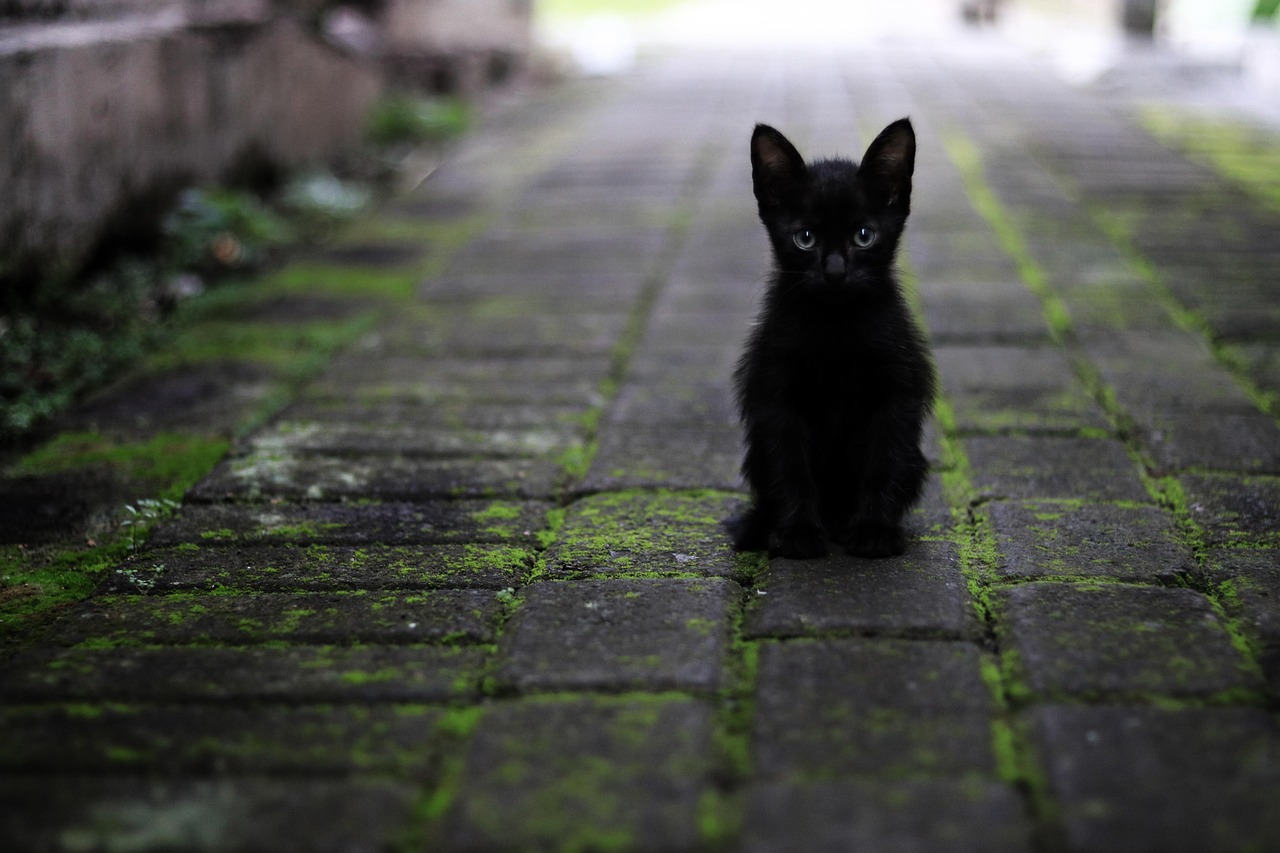
Creating a beautiful garden doesn’t have to come at the expense of your furry friends’ safety. In fact, with a little planning and knowledge, you can cultivate a thriving outdoor space that both you and your pets can enjoy. This blog post will guide you through creating a pet-friendly garden, ensuring a safe and enjoyable environment for everyone. We’ll cover everything from plant selection to garden design and preventative measures to keep your pets happy and healthy while they explore your green oasis.
Choosing Pet-Safe Plants
One of the most crucial aspects of pet-friendly gardening is selecting plants that are non-toxic to animals. Ingesting certain plants can cause a range of symptoms, from mild irritation to severe illness. Research is key before introducing any new plants into your garden.
Identifying Toxic Plants
- Common Culprits: Familiarize yourself with common plants that are toxic to pets. These often include lilies, azaleas, rhododendrons, tulips, daffodils, and sago palms. Always double-check before planting!
- Resources for Identification: The ASPCA (American Society for the Prevention of Cruelty to Animals) provides a comprehensive list of toxic and non-toxic plants on their website. Use this resource as your primary guide.
- Visual Confirmation: Before purchasing any plant, compare it to images online to ensure it matches the description. Nursery staff can also provide guidance, but always double-check their recommendations.
Planting Pet-Friendly Alternatives
- Safe and Beautiful Options: There are many beautiful and safe alternatives to toxic plants. Consider planting sunflowers, petunias, zinnias, snapdragons, and impatiens for vibrant colors.
- Herbs for a Pet-Friendly Garden: Many herbs are safe for pets and can even provide health benefits. Basil, rosemary, thyme, and lavender are excellent choices, offering both fragrance and culinary uses.
- Shrubs and Groundcover: For larger plants, consider Camellias, Rose, or Creeping Thyme for a ground cover option.
Designing a Pet-Friendly Garden Layout
The layout of your garden plays a significant role in keeping your pets safe and happy. Consider how your pets interact with the space and design accordingly to minimize potential hazards and maximize enjoyment.
Creating Designated Zones
- Play Areas: Designate specific areas for your pets to play. This could be a grassy patch, a digging zone, or even a shaded area with comfortable seating.
- Plant Protection Zones: Use fencing, raised beds, or containers to protect vulnerable plants from curious pets. This will prevent them from digging up your prized blooms or ingesting potentially harmful substances.
- Pathways and Barriers: Create clear pathways for your pets to navigate the garden. Use mulch, pavers, or grass to define these routes and discourage them from trampling through planted areas.
Minimizing Hazards
- Pesticide and Herbicide Use: Avoid using pesticides and herbicides whenever possible. Opt for organic pest control methods and natural weed control solutions. If you must use chemicals, follow the instructions carefully and keep your pets away from treated areas until they are completely dry and safe.
- Water Features: While water features can be beautiful, they can also pose a drowning risk, especially for small animals. Ensure any water feature is shallow or has an accessible exit point.
- Mulch Considerations: Cocoa mulch, while visually appealing, can be toxic to dogs if ingested. Opt for safer alternatives like shredded bark, wood chips, or pea gravel.
Safe Gardening Practices
Even with a pet-friendly garden design, safe gardening practices are essential for protecting your furry friends. Regular maintenance and awareness can prevent accidents and ensure a healthy environment for everyone.
Storing Gardening Tools and Supplies
- Secure Storage: Store all gardening tools, fertilizers, and chemicals in a secure location that is inaccessible to pets. A locked shed or garage is ideal.
- Sharp Tools: Keep sharp tools, such as pruning shears and shovels, out of reach of pets to prevent accidental injuries.
- Read Labels: Always read the labels of any gardening products you use and follow the instructions carefully. Pay close attention to any warnings about pet safety.
Watering and Fertilizing
- Water Safety: Do not use fertilizers when animals are likely to be around. Some fertilizers contain bone meal and blood meal that may be attractive to animals and could be hazardous if eaten in large quantities.
- Fertilizer Alternatives: Choose organic fertilizers, such as compost or aged manure, which are generally safer for pets. Apply fertilizers according to the instructions and avoid over-fertilizing.
- Check the Water: Be mindful of how your pet responds to watering, some pets will be tempted to drink the water when they can!
Protecting Pets From Common Garden Pests
Many common garden pests can pose a threat to pets, either through direct contact or by transmitting diseases. Implementing preventative measures and using pet-safe pest control methods is crucial for their safety.
Identifying Potential Pest Threats
- Ticks and Fleas: These parasites can transmit diseases to pets and cause skin irritation. Regularly check your pets for ticks and fleas, and consult with your veterinarian about preventative medications.
- Snails and Slugs: While not directly harmful, snail and slug baits often contain chemicals that are toxic to pets. Avoid using these baits and opt for safer alternatives, such as hand-picking or using beer traps (placed out of reach of pets).
- Rodents: Rodenticides are extremely toxic to pets. Avoid using them altogether. Instead, use humane traps or encourage natural predators, such as owls and hawks, to control rodent populations.
Implementing Pet-Safe Pest Control
- Natural Pest Control: Attract beneficial insects, such as ladybugs and lacewings, to control pests naturally. Plant flowers that attract these insects, such as marigolds and daisies.
- Diatomaceous Earth: Food-grade diatomaceous earth is a natural pest control option that is safe for pets. Sprinkle it around plants to deter slugs, snails, and other crawling insects.
- Neem Oil: Neem oil is a natural insecticide that can be used to control a variety of pests. Follow the instructions carefully and avoid spraying it directly on pets.
Conclusion
Creating a pet-friendly garden is an achievable goal that allows both you and your furry friends to enjoy the beauty and tranquility of the outdoors. By carefully selecting plants, designing a safe layout, practicing safe gardening techniques, and implementing pet-safe pest control methods, you can create a thriving garden that is both beautiful and safe for everyone. Remember to research plants thoroughly, use natural pest control options, and always prioritize your pets’ safety when making decisions about your garden. Happy gardening!