

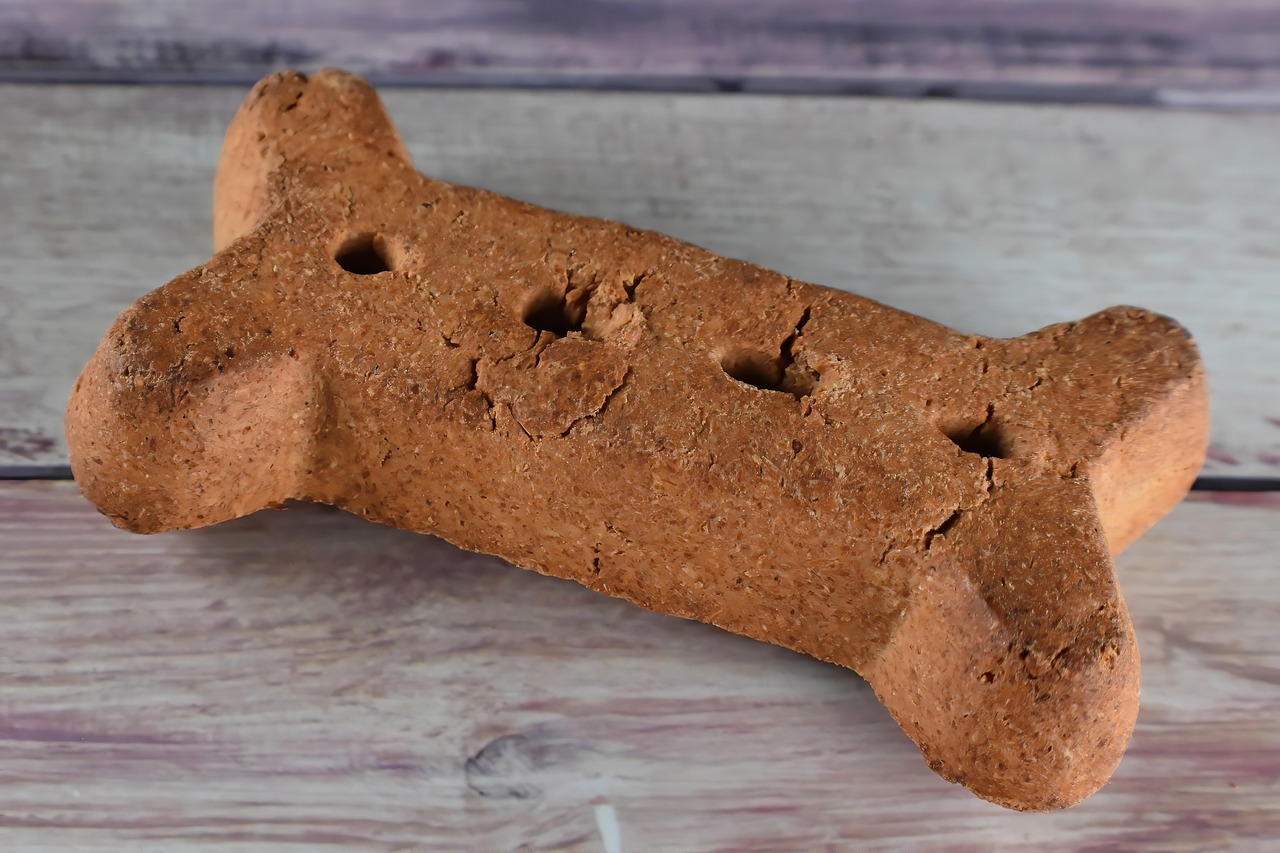
Training a dog is an incredibly rewarding experience, strengthening the bond between you and your furry friend while ensuring they’re a well-behaved member of society. However, some dogs, often labeled “stubborn,” present unique challenges. This doesn’t mean they’re untrainable; it simply requires a different approach, a dash of patience, and a deeper understanding of their individual personality and motivations. In this guide, we’ll delve into effective strategies to help you successfully train your stubborn dog and build a harmonious relationship.
Understanding the Stubborn Dog Mindset
Stubbornness in dogs isn’t necessarily about defiance or disobedience; it’s often rooted in their inherent breed traits, individual temperament, or a lack of clear communication. Before diving into training techniques, it’s crucial to understand what might be contributing to your dog’s behavior.
Breed Predisposition
- Independent breeds: Certain breeds, such as Huskies, Akitas, and Shiba Inus, are bred for independence and decision-making. These dogs may question commands and require extra motivation to comply.
- Hunting breeds: Breeds like Beagles and Dachshunds are driven by scent and may be easily distracted, leading to perceived stubbornness.
- Terriers: These breeds are known for their tenacity and independent spirit, which can sometimes manifest as stubbornness during training.
Motivation and Reinforcement
- Lack of Value: Is your dog truly motivated by the rewards you’re offering? If the treat or praise isn’t exciting enough, they may not see the point in obeying.
- Inconsistent Reinforcement: If rewards are inconsistent or confusing, your dog may struggle to understand what behavior is being reinforced.
- Negative Associations: Have past training experiences created negative associations? Fear or anxiety can manifest as resistance and perceived stubbornness.
Health Considerations
- Underlying Medical Conditions: Sometimes, perceived stubbornness can be a symptom of an underlying health problem. Pain, discomfort, or cognitive decline can impact a dog’s ability to learn and follow commands.
- Sensory Issues: Hearing or vision loss can make it difficult for a dog to understand instructions, leading to frustration and a perception of stubbornness.
- Actionable Takeaway: Before starting any training program, research your dog’s breed tendencies and consult with a veterinarian to rule out any underlying health issues. Observe your dog’s reactions to different rewards to identify what truly motivates them.
Building a Strong Foundation: Positive Reinforcement
Positive reinforcement is the cornerstone of effective dog training, especially for stubborn dogs. This approach focuses on rewarding desired behaviors rather than punishing undesirable ones, fostering a positive and trusting relationship.
What is Positive Reinforcement?
- Rewarding Desired Behaviors: When your dog performs a command correctly, immediately reward them with a treat, praise, or a favorite toy.
- Ignoring Undesired Behaviors: Instead of scolding or punishing, redirect unwanted behaviors to a more appropriate action. For example, if your dog is barking excessively, redirect their attention with a chew toy or a training session.
- Creating Positive Associations: Associate training with fun and rewarding experiences to build a positive relationship and make learning enjoyable.
Implementing Positive Reinforcement
- High-Value Rewards: Use treats or toys that your dog finds highly motivating. Experiment to find what works best for your dog.
- Timing is Key: Deliver the reward within 1-2 seconds of the desired behavior to create a clear association.
- Consistency is Crucial: Everyone in the household should use the same commands and reinforcement techniques to avoid confusing the dog.
- Example: If you’re teaching your dog to sit, say the command “Sit,” and as soon as their rear touches the ground, immediately say “Good!” and give them a treat.
Clicker Training: A Powerful Tool
- The Clicker as a Marker: A clicker can be used to mark the exact moment your dog performs the desired behavior. The click becomes associated with a reward, creating a clear and consistent signal.
- Charging the Clicker: Initially, pair the clicker with a reward. Click the clicker, then immediately give your dog a treat. Repeat this several times until your dog associates the click with something positive.
- Using the Clicker in Training: Use the clicker to mark the precise moment your dog performs the desired behavior, followed immediately by a reward.
- Actionable Takeaway: Choose high-value rewards and practice timing your reinforcements to create a clear and consistent message for your dog. Consider incorporating clicker training for more precise communication.
Managing Distractions and Maintaining Focus
Stubborn dogs are often easily distracted, making it challenging to maintain their focus during training sessions. Creating a distraction-free environment and implementing strategies to improve their concentration are essential.
Minimizing Distractions
- Quiet Environment: Start training in a quiet room with minimal distractions, such as other people, pets, or loud noises.
- Controlled Environment: Gradually introduce distractions as your dog progresses, starting with low-level distractions and slowly increasing the intensity.
- Leash Management: Use a leash to keep your dog focused and prevent them from wandering off.
Enhancing Focus and Attention
- Eye Contact: Train your dog to make eye contact on command. This helps to establish a connection and improve their focus. Hold a treat near your eye and say “Look.” When your dog makes eye contact, give them the treat.
- “Leave It” Command: Teach your dog to ignore distractions by using the “Leave It” command. Place a treat on the floor and cover it with your hand. Say “Leave It.” If your dog tries to get the treat, keep your hand on it. When they stop trying, give them a different, higher-value treat.
- Short Training Sessions: Keep training sessions short and engaging, typically 5-10 minutes long. This prevents boredom and maintains your dog’s attention.
Addressing Specific Distractions
- Scent Distractions: If your dog is easily distracted by scents, try training in a well-ventilated area or use a scent-blocking spray.
- Visual Distractions: If your dog is distracted by movement, try training in a location with limited visual stimuli, such as a plain wall.
- Actionable Takeaway: Start training in a distraction-free environment and gradually introduce distractions as your dog progresses. Teach commands like “Look” and “Leave It” to enhance focus and attention.
Consistency, Patience, and Persistence
Training a stubborn dog requires unwavering consistency, patience, and persistence. It’s crucial to establish clear expectations, maintain a positive attitude, and celebrate even the smallest successes.
The Power of Consistency
- Consistent Commands: Use the same commands every time and avoid using different words for the same action.
- Consistent Rules: Establish clear rules and boundaries and enforce them consistently.
- Consistent Training Schedule: Set a regular training schedule, even if it’s just for a few minutes each day, to reinforce learned behaviors.
Cultivating Patience
- Realistic Expectations: Understand that progress may be slow and setbacks are normal. Don’t get discouraged by occasional resistance.
- Positive Attitude: Maintain a positive and encouraging attitude throughout the training process.
- Avoid Frustration: If you feel frustrated, take a break and resume training later.
The Importance of Persistence
- Don’t Give Up: Even if your dog seems resistant, don’t give up on training. With patience and persistence, you can achieve your goals.
- Seek Professional Help: If you’re struggling to train your stubborn dog, consider seeking help from a professional dog trainer or behaviorist.
- Celebrate Successes: Acknowledge and celebrate even the smallest successes to reinforce positive behaviors and motivate your dog.
- Example: Instead of saying “Sit down,” always use the command “Sit.” Make sure everyone in the family uses the same command.
- Actionable Takeaway: Commit to consistency, patience, and persistence throughout the training process. Seek professional help if needed, and celebrate even the smallest victories to maintain motivation. Remember that building a strong relationship with your dog takes time and effort.
Dealing with Specific Stubborn Behaviors
Some dogs exhibit specific stubborn behaviors that require targeted strategies. Common examples include refusal to come when called, excessive barking, or pulling on the leash.
Recall Training
- Start in a Controlled Environment: Begin recall training indoors or in a securely fenced area.
- Use High-Value Rewards: Use treats or toys that your dog finds highly motivating.
- Make it Fun: Make recall training a fun and rewarding experience by using an enthusiastic tone of voice and offering plenty of praise.
- Gradually Increase Distance: Slowly increase the distance between you and your dog as they become more reliable with the recall command.
- Avoid Punishment: Never punish your dog for coming to you, even if they took a long time. This will create a negative association with the recall command.
Managing Excessive Barking
- Identify the Cause: Determine the underlying cause of the barking, such as boredom, anxiety, or territoriality.
- Address the Cause: Address the underlying cause of the barking to reduce the frequency and intensity of the behavior.
- Teach a “Quiet” Command: Teach your dog a “Quiet” command to interrupt the barking. When your dog is barking, say “Quiet” and offer a treat as soon as they stop.
- Provide Mental Stimulation: Provide plenty of mental stimulation to reduce boredom-related barking.
Leash Training
- Use a Comfortable Harness: Use a comfortable harness that doesn’t put pressure on your dog’s neck.
- Start with Short Walks: Start with short walks in a quiet area with minimal distractions.
- Reward Loose-Leash Walking: Reward your dog for walking politely on a loose leash. If they start to pull, stop walking and wait for them to return to your side.
- Change Direction: Change direction frequently to keep your dog engaged and prevent them from pulling.
- Actionable Takeaway:* Address specific stubborn behaviors with targeted strategies. Practice recall training regularly, identify and address the causes of excessive barking, and use a comfortable harness and reward loose-leash walking during leash training.
Conclusion
Training a stubborn dog requires dedication, patience, and a tailored approach. By understanding the root causes of their behavior, implementing positive reinforcement techniques, managing distractions, and maintaining consistency, you can overcome the challenges and build a strong, loving relationship with your canine companion. Remember to celebrate even the smallest victories and seek professional help when needed. The journey may be longer and require more effort than training an “easier” dog, but the reward of a well-behaved and happy furry friend is well worth the investment.