

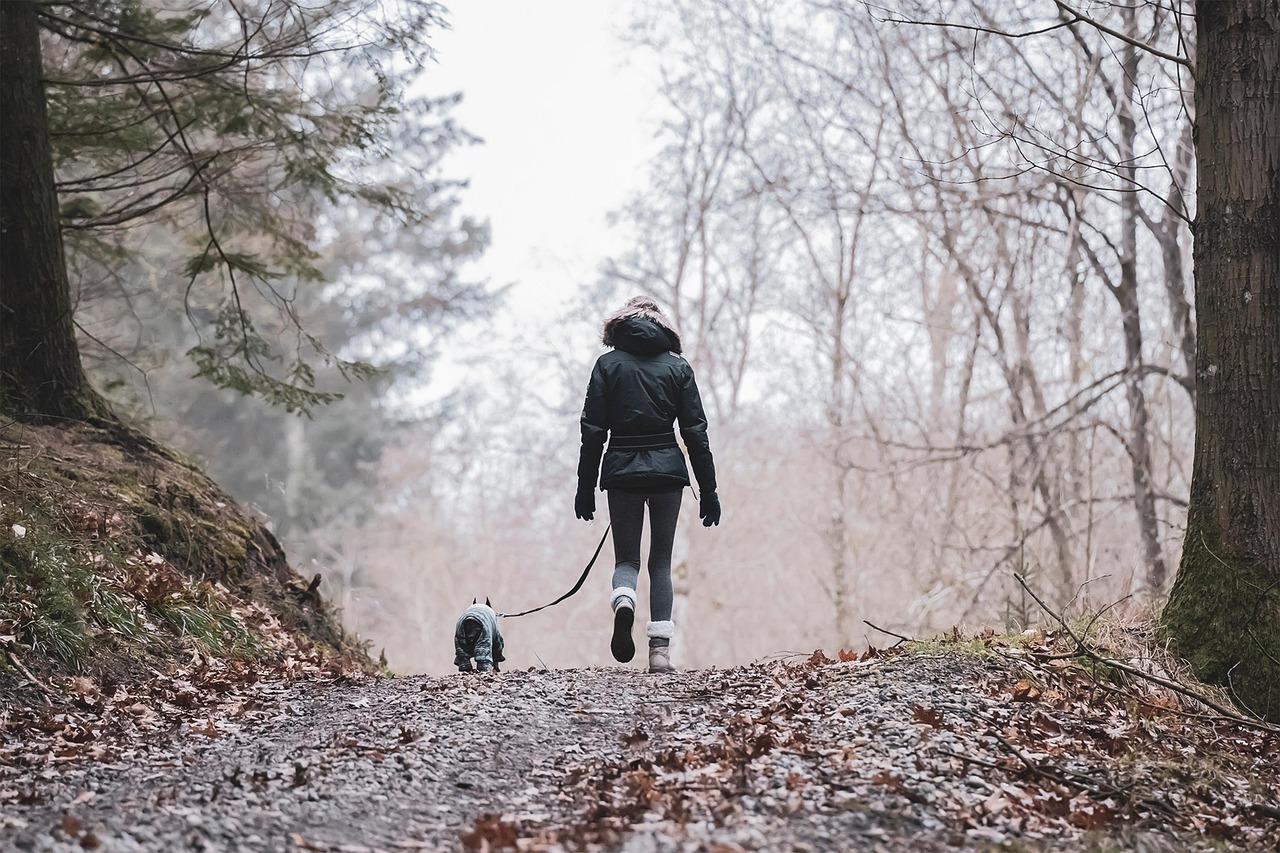
Dog obedience training is a cornerstone of responsible pet ownership, fostering a harmonious relationship between you and your furry companion. While professional dog training classes offer significant benefits, training your dog at home can be an equally effective and rewarding experience, building a strong bond while saving you time and money. This guide will provide you with a comprehensive overview of how to successfully implement dog obedience training in the comfort of your own home.
Understanding the Fundamentals of Dog Obedience Training
Positive Reinforcement is Key
Positive reinforcement is the most effective and humane method for dog training. It involves rewarding desired behaviors, making them more likely to be repeated. Unlike punishment-based methods, positive reinforcement builds trust and strengthens the bond between you and your dog.
- Treats: Small, high-value treats are excellent motivators, especially in the initial stages of training. Think tiny pieces of cooked chicken, cheese, or commercial dog treats.
- Praise: Verbal praise, such as “Good boy!” or “Yes!”, can be just as effective as treats, especially as your dog becomes more proficient.
- Toys: If your dog is toy-motivated, use a favorite toy as a reward.
- Affection: A gentle pat or scratch can also be a positive reinforcement for some dogs.
Example: When teaching your dog to sit, say the command “Sit,” and as soon as your dog’s rear touches the ground, immediately give them a treat and praise them enthusiastically.
Consistency and Patience are Essential
Consistency is vital for successful dog training. Everyone in the household should use the same commands and training methods. Patience is equally important, as dogs learn at different paces. Avoid getting frustrated; instead, break down training into smaller, manageable steps.
Statistics show that consistent training leads to a 90% higher success rate in dog obedience.
- Short Training Sessions: Keep training sessions short and frequent (5-10 minutes) to maintain your dog’s attention and prevent them from becoming overwhelmed.
- Regular Schedule: Aim for training sessions at the same time each day to establish a routine.
- Avoid Overcorrection: Focus on rewarding good behavior rather than punishing mistakes. If your dog is struggling with a command, simplify the task and try again.
Creating a Conducive Training Environment
Minimize distractions during training sessions. Choose a quiet area in your home where your dog feels comfortable and secure.
- Remove Distractions: Turn off the TV, put away toys, and ensure that other family members are not interrupting the training session.
- Use a Leash: In the initial stages, using a leash can help you guide your dog and maintain control.
- Stay Calm: Your dog can sense your emotions. Remain calm and patient, even if they are not immediately successful.
Teaching Basic Obedience Commands
Sit, Stay, Come
These are the foundational commands for dog obedience. Mastering these commands will make everyday interactions easier and safer.
- Sit: Hold a treat close to your dog’s nose and move it upwards and backwards over their head. As their nose follows the treat, their rear should naturally lower to the ground. Say “Sit” as they are sitting and reward them immediately.
- Stay: Once your dog knows “Sit,” have them sit and say “Stay” in a firm voice. Hold your hand up in a “stop” gesture. Initially, only ask them to stay for a few seconds. Gradually increase the duration as they become more proficient.
- Come: Use a cheerful and encouraging tone to say “Come.” If your dog is on a leash, gently tug them towards you. Reward them enthusiastically when they come to you. Start in a confined space and gradually increase the distance.
Actionable Takeaway: Practice these commands for 5-10 minutes each day, focusing on one command at a time until your dog understands it.
Down and Leave It
These commands are crucial for safety and managing your dog’s behavior in various situations.
- Down: Hold a treat in your hand and lower it to the ground, encouraging your dog to follow. As they lower their body, say “Down.” Once they are lying down, give them the treat and praise them.
- Leave It: Place a treat on the floor and cover it with your hand. Say “Leave it.” If your dog tries to get the treat, keep your hand over it. Once they stop trying, remove your hand and give them a different treat from your other hand. This teaches them that leaving something alone results in a reward.
Example: Use “Leave it” when you don’t want your dog to pick up something potentially dangerous on the street.
Loose-Leash Walking
Walking nicely on a leash is essential for enjoyable walks. This requires training and patience.
- Start Indoors: Practice walking on a leash indoors first, in a quiet area.
- Reward Loose Leash: Whenever your dog walks beside you with a loose leash, reward them with praise or a treat.
- Change Direction: If your dog starts to pull, stop walking and change direction. This teaches them that pulling will not get them where they want to go.
Tip: Use a front-clip harness to discourage pulling, as it provides more control and discourages pulling.
Addressing Common Dog Obedience Challenges
Dealing with Distractions
As your dog progresses, introduce distractions gradually. Start with low-level distractions and gradually increase the intensity.
- Controlled Environment: Begin training in a controlled environment with minimal distractions.
- Gradual Introduction: Gradually introduce distractions, such as other people, pets, or noises.
- High-Value Rewards: Use high-value treats to maintain your dog’s focus in the face of distractions.
Solving Problem Behaviors
Address problem behaviors like excessive barking, chewing, or jumping with specific training techniques.
- Excessive Barking: Identify the trigger for the barking and try to manage the situation. Teach a “Quiet” command by rewarding your dog when they stop barking on command.
- Chewing: Provide plenty of appropriate chew toys. Redirect your dog’s chewing behavior by offering a toy when they start chewing on something they shouldn’t.
- Jumping: Ignore your dog when they jump. Only give them attention when they have all four paws on the ground. Teach them an alternative behavior, such as “Sit,” to greet people.
If you are struggling to address problem behaviors on your own, consult with a professional dog trainer or behaviorist.
Socialization
Proper socialization is vital for a well-adjusted dog. Expose your dog to a variety of people, places, and situations from a young age.
- Early Exposure: Start socializing your puppy as early as possible, once they have completed their vaccinations.
- Positive Experiences: Ensure that socialization experiences are positive and enjoyable for your dog.
- Controlled Interactions: Supervise interactions with other dogs and people to prevent negative experiences.
Actionable Takeaway: Take your dog on regular outings to parks, dog-friendly stores, and other public places to expose them to different environments.
Advanced Dog Obedience Training
Trick Training
Trick training is a fun and engaging way to enhance your dog’s obedience skills and strengthen your bond.
- Shake: Hold your dog’s paw and say “Shake.” Reward them with a treat and praise.
- Play Dead: Lure your dog into a lying down position and then gently roll them onto their side. Say “Play dead” and reward them when they stay in that position.
- Fetch: Throw a toy and encourage your dog to retrieve it. Reward them when they bring the toy back to you.
Agility Training
Agility training is a challenging and rewarding activity that can improve your dog’s physical and mental fitness.
- Start Small: Begin with simple obstacles, such as low jumps and tunnels.
- Positive Reinforcement: Use positive reinforcement to encourage your dog to navigate the obstacles.
- Professional Guidance: Consider taking an agility class to learn proper techniques and safety precautions.
Canine Good Citizen (CGC) Training
The Canine Good Citizen program is a nationally recognized certification that demonstrates your dog’s good manners and obedience.
- 10-Step Test: The CGC test includes tasks such as accepting a friendly stranger, sitting politely for petting, and walking nicely on a leash through a crowd.
- Preparation: Prepare for the CGC test by practicing the required skills and behaviors.
- Benefits: Earning a CGC certification can open doors to therapy dog work and other volunteer opportunities.
Conclusion
Training your dog at home is a highly achievable and deeply rewarding endeavor. By understanding the principles of positive reinforcement, practicing consistently, and addressing challenges with patience and understanding, you can cultivate a well-behaved and happy companion. Remember that every dog learns at their own pace, and celebrating small victories along the way will keep you and your furry friend motivated and engaged in the training process. So, grab those treats, put on your training hat, and embark on this enriching journey together!